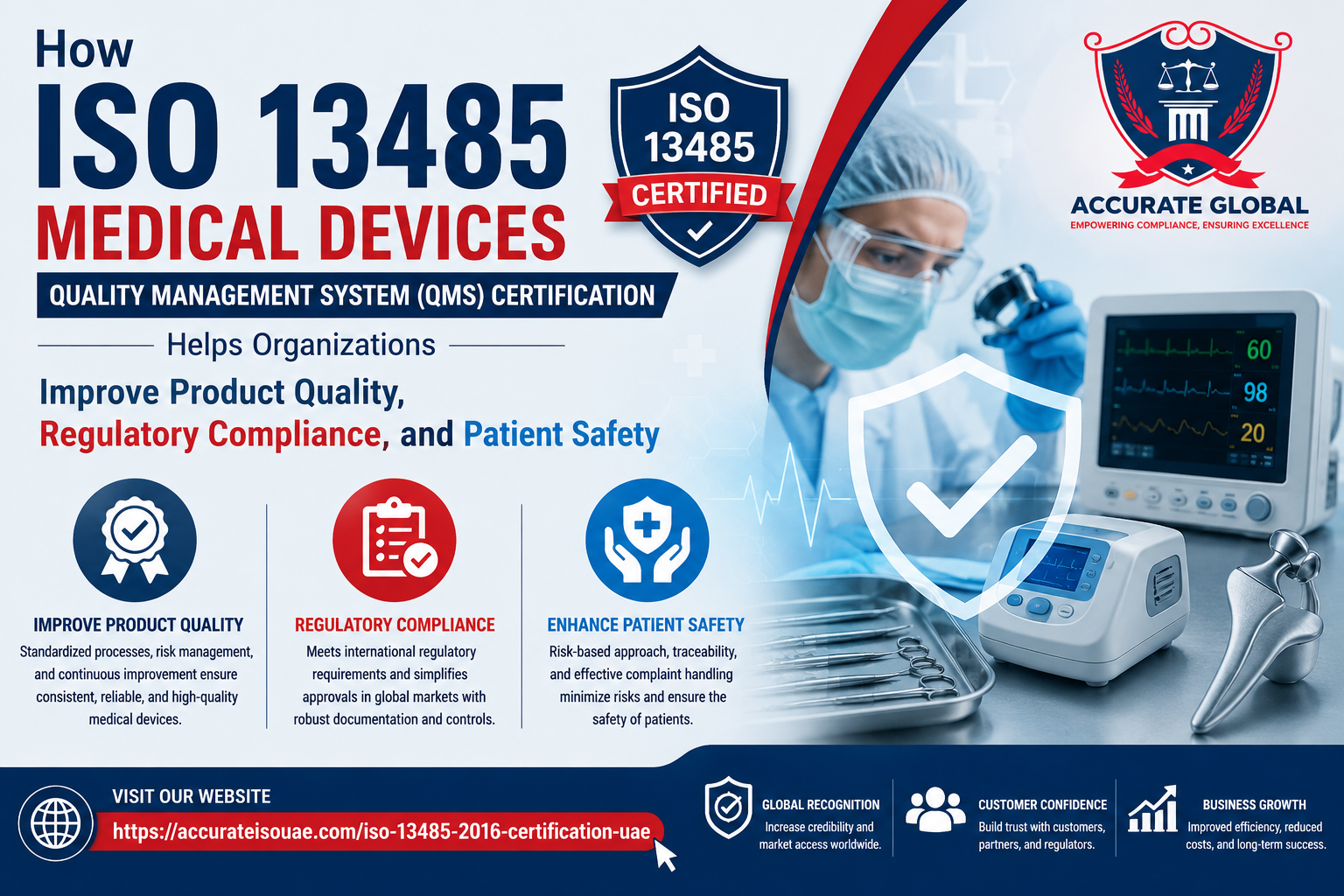
How ISO 13485 Medical Devices Quality Management System (QMS) Certification Helps Organizations Improve Product Quality, Regulatory Compliance, and Patient Safety
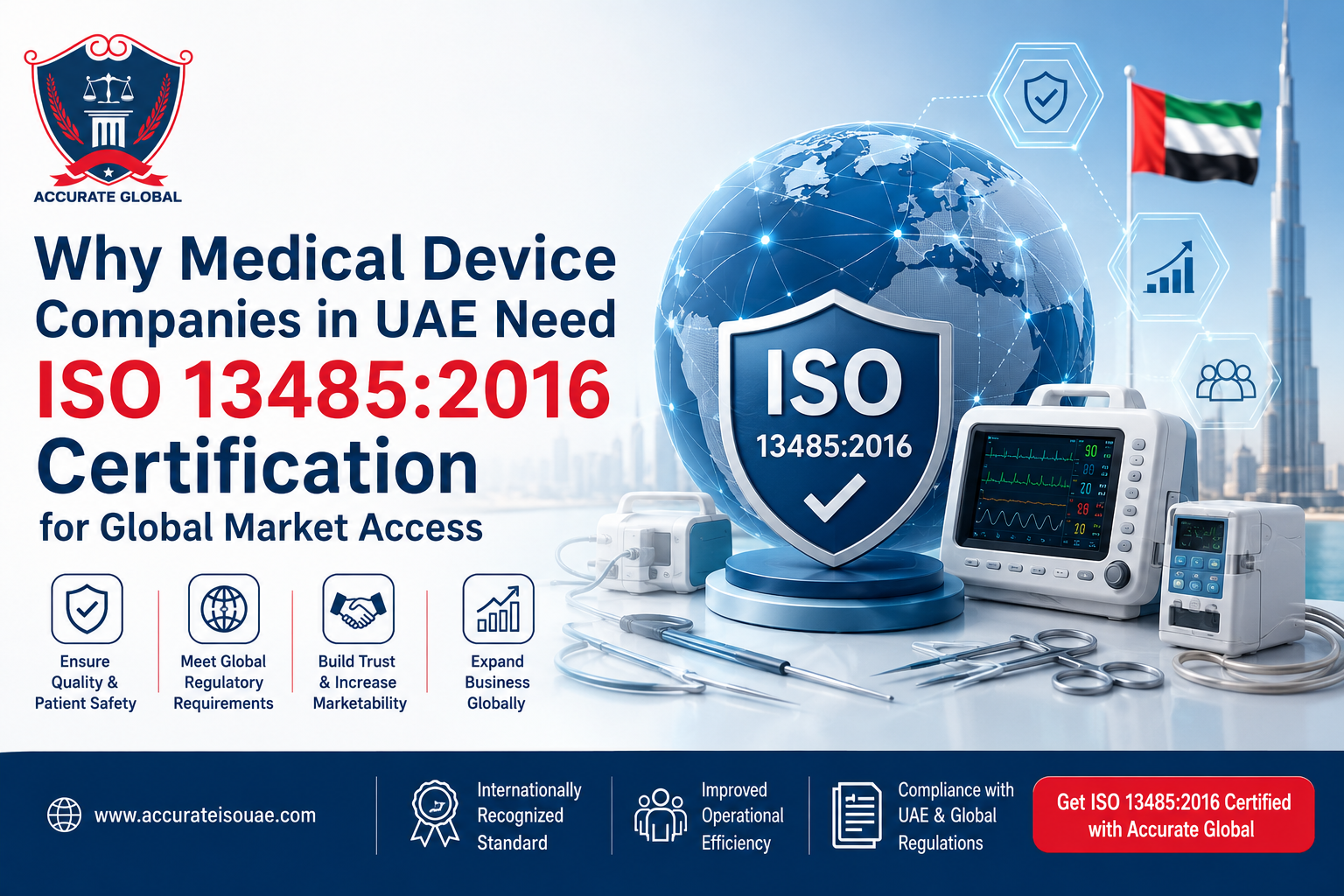
The medical device industry operates in a highly regulated environment where product quality, patient safety, and compliance with international standards are critical to success. Medical devices directly impact patient health, making it essential for manufacturers to implement robust quality management systems that ensure consistent product performance and regulatory adherence. This is where ISO 13485 certification plays a vital role.
Understanding How ISO 13485 Medical Devices Quality Management System certification helps organizations improve product quality, regulatory compliance, and patient safety can provide valuable insights for medical device manufacturers seeking sustainable growth and global market access.
What Is ISO 13485 Medical Devices Quality Management System (QMS)?
ISO 13485 is an internationally recognized standard specifically designed for organizations involved in the design, development, production, installation, and servicing of medical devices. The standard establishes requirements for a Quality Management System (QMS) that demonstrates an organization's ability to consistently provide medical devices and related services that meet customer expectations and regulatory requirements.
Unlike general quality management standards, ISO 13485 focuses specifically on the medical device sector and addresses the unique risks and regulatory challenges associated with healthcare products.
How ISO 13485 Medical Devices Quality Management System Improves Product Quality
One of the primary reasons organizations pursue ISO 13485 certification is to enhance the quality of their medical devices. Product quality is essential not only for customer satisfaction but also for ensuring patient safety and maintaining compliance with industry regulations.
Standardized Quality Processes
ISO 13485 requires organizations to establish documented procedures for every stage of the product lifecycle, from design and development to manufacturing and distribution. Standardized processes reduce variability and help ensure consistent product quality.
When processes are clearly defined and controlled, organizations can minimize errors, improve efficiency, and maintain high-quality standards across all operations.
Enhanced Design and Development Controls
The standard emphasizes rigorous design and development controls to ensure medical devices meet intended performance requirements. Organizations must conduct design reviews, verification activities, and validation processes to identify potential issues before products reach the market.
These controls help manufacturers develop safer and more reliable products while reducing costly design defects and product recalls.
Continuous Monitoring and Improvement
ISO 13485 promotes ongoing monitoring of product performance and quality metrics. Organizations collect and analyze data to identify trends, address nonconformities, and implement corrective actions.
This commitment to continuous improvement helps manufacturers consistently enhance product quality and respond effectively to changing customer and regulatory requirements.
Strengthening Regulatory Compliance
Regulatory compliance is a critical concern for medical device manufacturers. Failure to comply with applicable regulations can result in product recalls, legal penalties, market restrictions, and reputational damage.
Understanding How ISO 13485 Medical Devices Quality Management System certification supports compliance can help organizations navigate complex regulatory environments more effectively.
Alignment with Global Regulatory Requirements
Many regulatory authorities around the world recognize ISO 13485 as a benchmark for medical device quality management. The standard aligns with numerous international regulatory frameworks and supports compliance with medical device regulations in various markets.
By implementing ISO 13485, organizations establish systems and controls that facilitate regulatory approval processes and simplify compliance management.
Comprehensive Documentation and Record Keeping
ISO 13485 requires organizations to maintain detailed documentation related to quality processes, risk management activities, product specifications, training records, and corrective actions.
Comprehensive documentation provides evidence of compliance and helps organizations demonstrate conformity during regulatory inspections and external audits.
Effective Supplier Management
Medical device manufacturers often rely on suppliers for critical components and services. ISO 13485 requires organizations to evaluate, monitor, and control suppliers to ensure they consistently meet quality requirements.
Strong supplier management practices reduce risks associated with defective materials and contribute to overall regulatory compliance.
Enhancing Patient Safety Through ISO 13485
Patient safety is the ultimate objective of any medical device quality management system. The implementation of ISO 13485 helps organizations identify risks and establish controls that protect patients from potential harm.
Risk-Based Approach
ISO 13485 incorporates risk management principles throughout the product lifecycle. Organizations must identify potential hazards, evaluate associated risks, and implement mitigation measures to reduce those risks to acceptable levels.
This proactive approach helps prevent safety issues before they impact patients and supports the development of reliable medical devices.
Improved Product Traceability
The standard requires organizations to establish traceability systems that allow products to be tracked throughout manufacturing and distribution processes. Effective traceability enables rapid identification and resolution of quality issues if they arise.
In the event of a product recall or safety concern, traceability systems help organizations respond quickly and minimize patient exposure to potential risks.
Complaint Handling and Corrective Actions
ISO 13485 requires organizations to establish procedures for handling customer complaints, investigating incidents, and implementing corrective actions. These processes ensure that product issues are addressed promptly and systematically.
By learning from complaints and adverse events, manufacturers can continuously improve product safety and performance.
Additional Benefits of ISO 13485 Certification
Beyond product quality, compliance, and patient safety, ISO 13485 certification offers several additional business advantages:
- Increased customer confidence and trust.
- Improved operational efficiency and process consistency.
- Enhanced market access and international competitiveness.
- Reduced risk of product recalls and regulatory penalties.
- Stronger supplier relationships and supply chain control.
- Better organizational reputation within the healthcare industry.
Organizations that achieve certification often gain a competitive advantage by demonstrating their commitment to quality and regulatory excellence.
Conclusion
Understanding How ISO 13485 Medical Devices Quality Management System certification helps organizations improve product quality, regulatory compliance, and patient safety highlights the importance of implementing a robust quality management framework in the medical device industry.
By establishing standardized processes, strengthening risk management practices, enhancing regulatory compliance, and focusing on patient safety, ISO 13485 enables organizations to deliver reliable and effective medical devices that meet the highest industry standards.
In an increasingly competitive and regulated healthcare market, ISO 13485 certification serves as a valuable tool for achieving operational excellence, building customer trust, and supporting long-term business success. Organizations that invest in ISO 13485 demonstrate their commitment to quality, safety, and continuous improvement while positioning themselves for growth in global medical device markets.
.png)
.png)
.png)
.png)
.png)
.png)
.png)