ISO Certification Requirements in Dubai: Documents, Eligibility & Process Explained
Dubai has become one of the world's leading business hubs, attracting companies from various industries such as construction, manufacturing, healthcare, logistics, IT, and hospitality. As competition continues to grow, businesses are increasingly seeking internationally recognized certifications to demonstrate quality, safety, efficiency, and compliance. One of the most valuable certifications a company can obtain is ISO certification.
Understanding the ISO Certification Requirements in Dubai is essential for businesses planning to achieve certification and improve their market reputation. This guide explains the required documents, eligibility criteria, and the complete certification process.
What Is ISO Certification?
ISO (International Organization for Standardization) develops globally recognized standards that help organizations improve their operations, quality management, environmental performance, information security, occupational health and safety, and more.
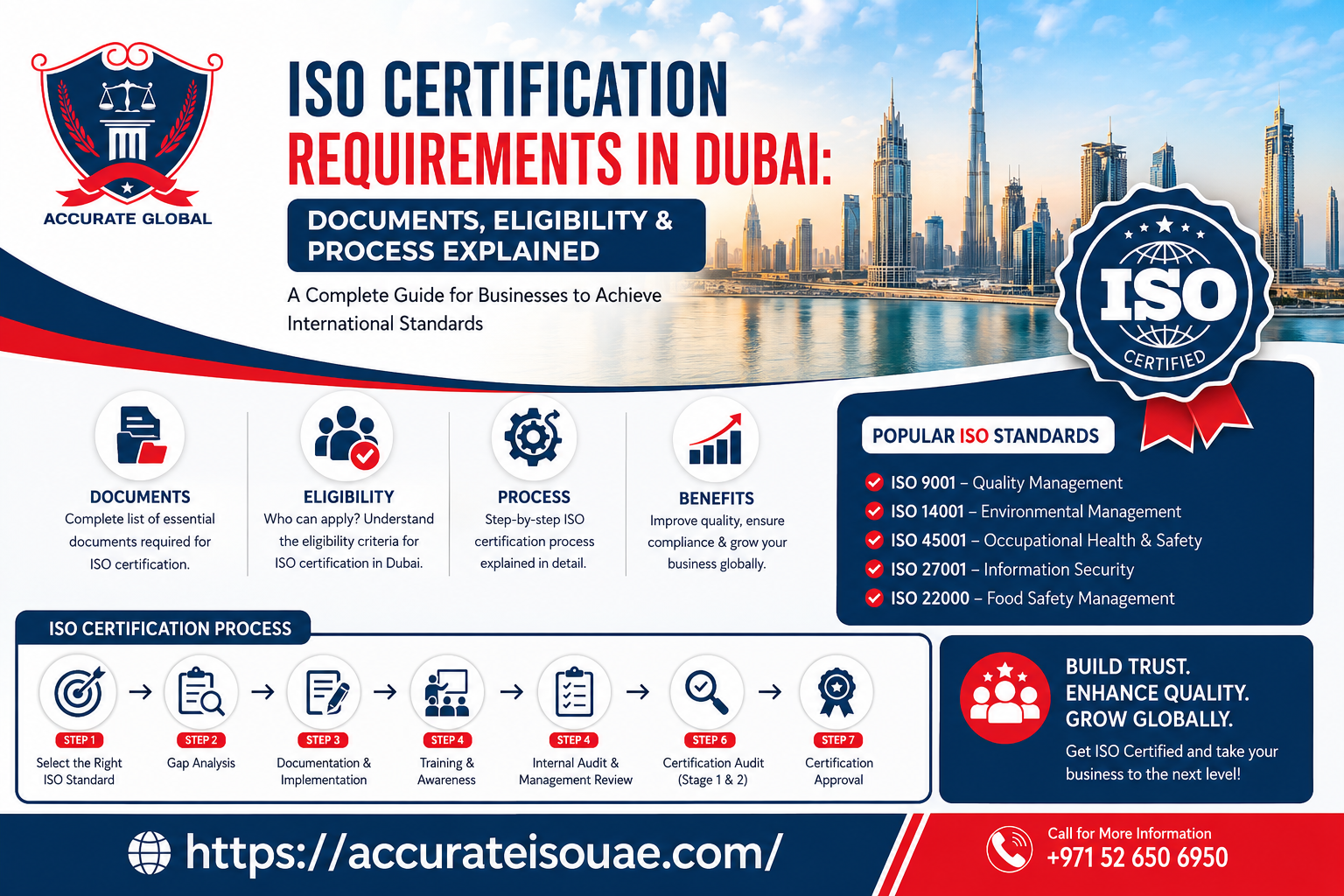
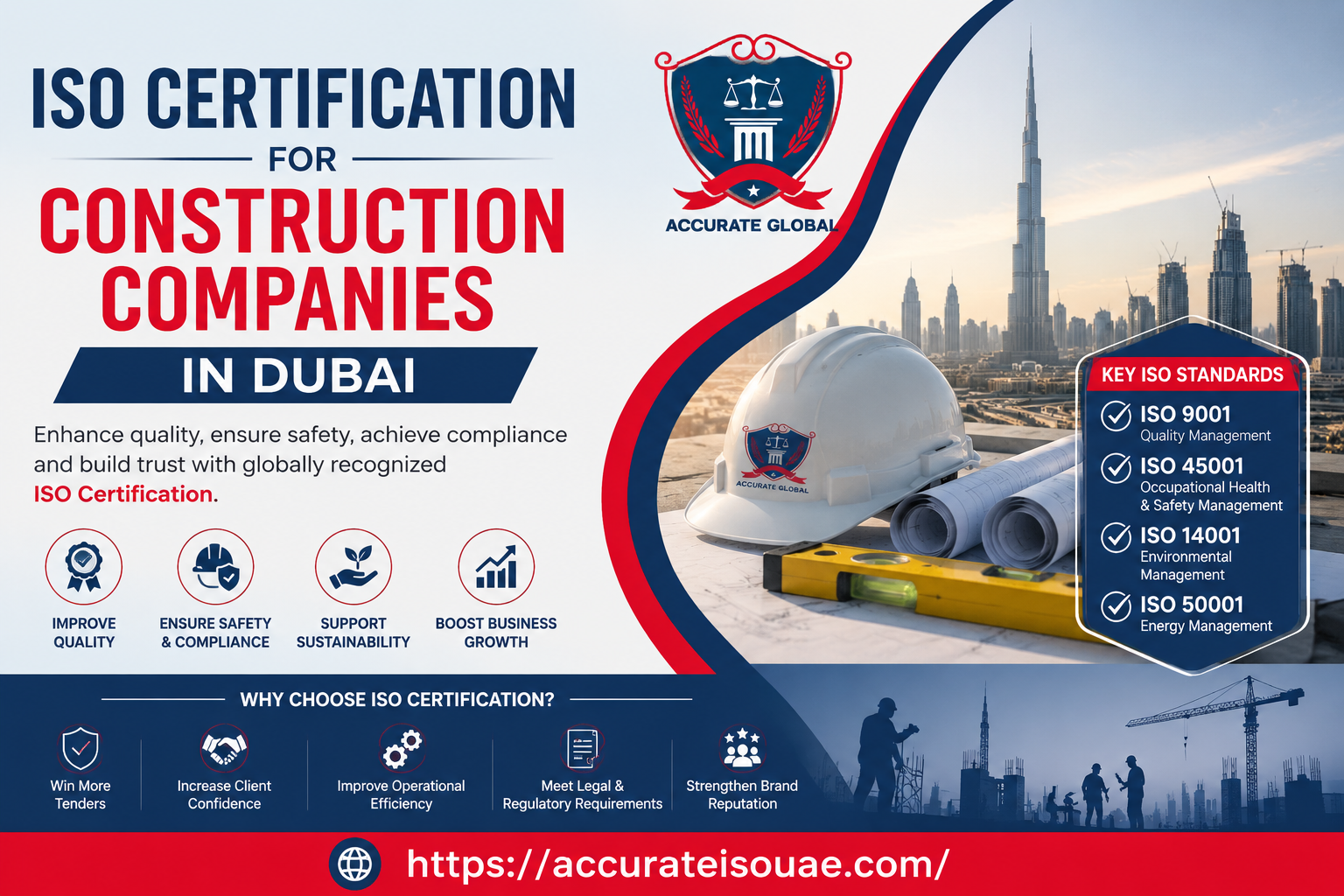
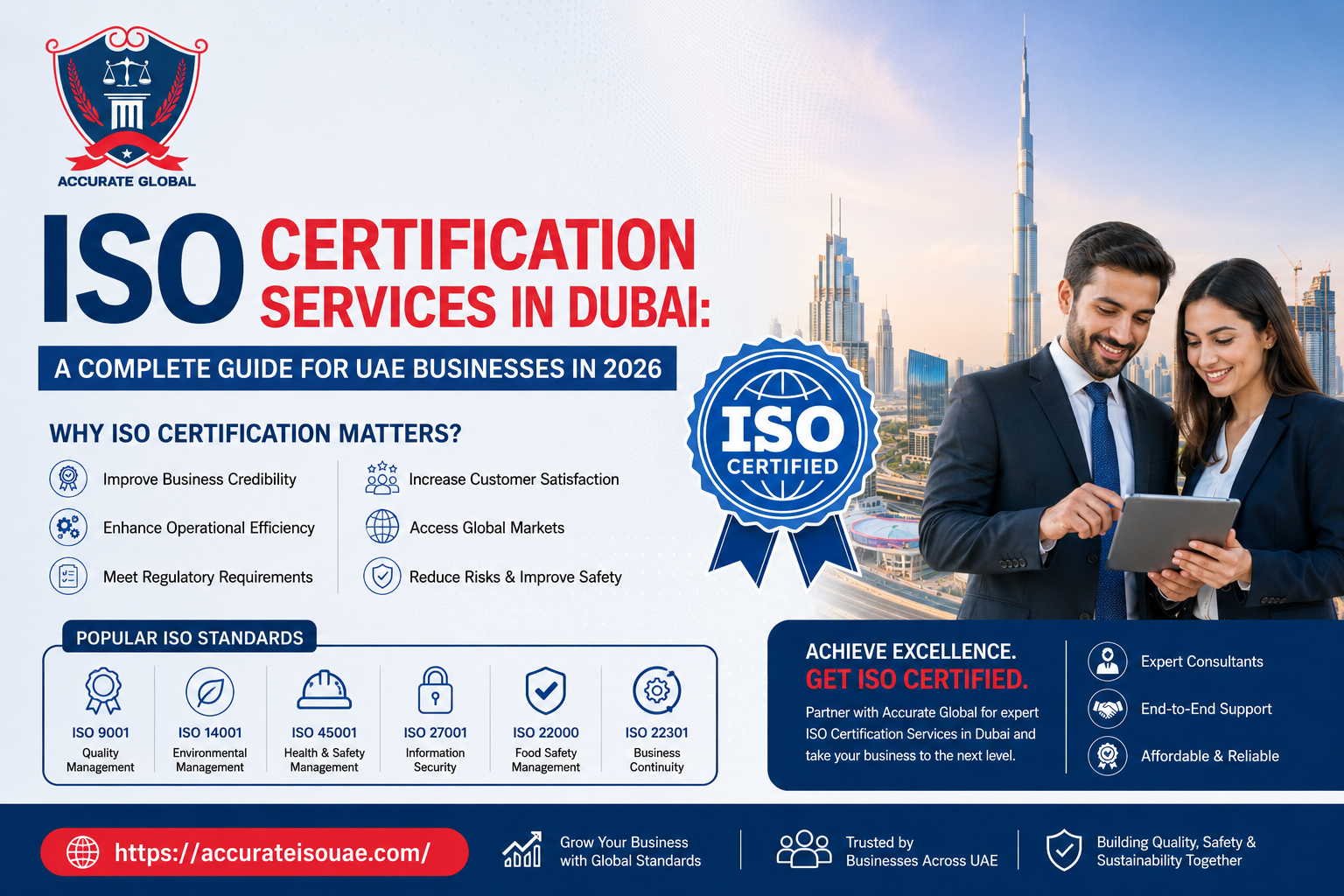
Some of the most popular ISO standards in Dubai include:
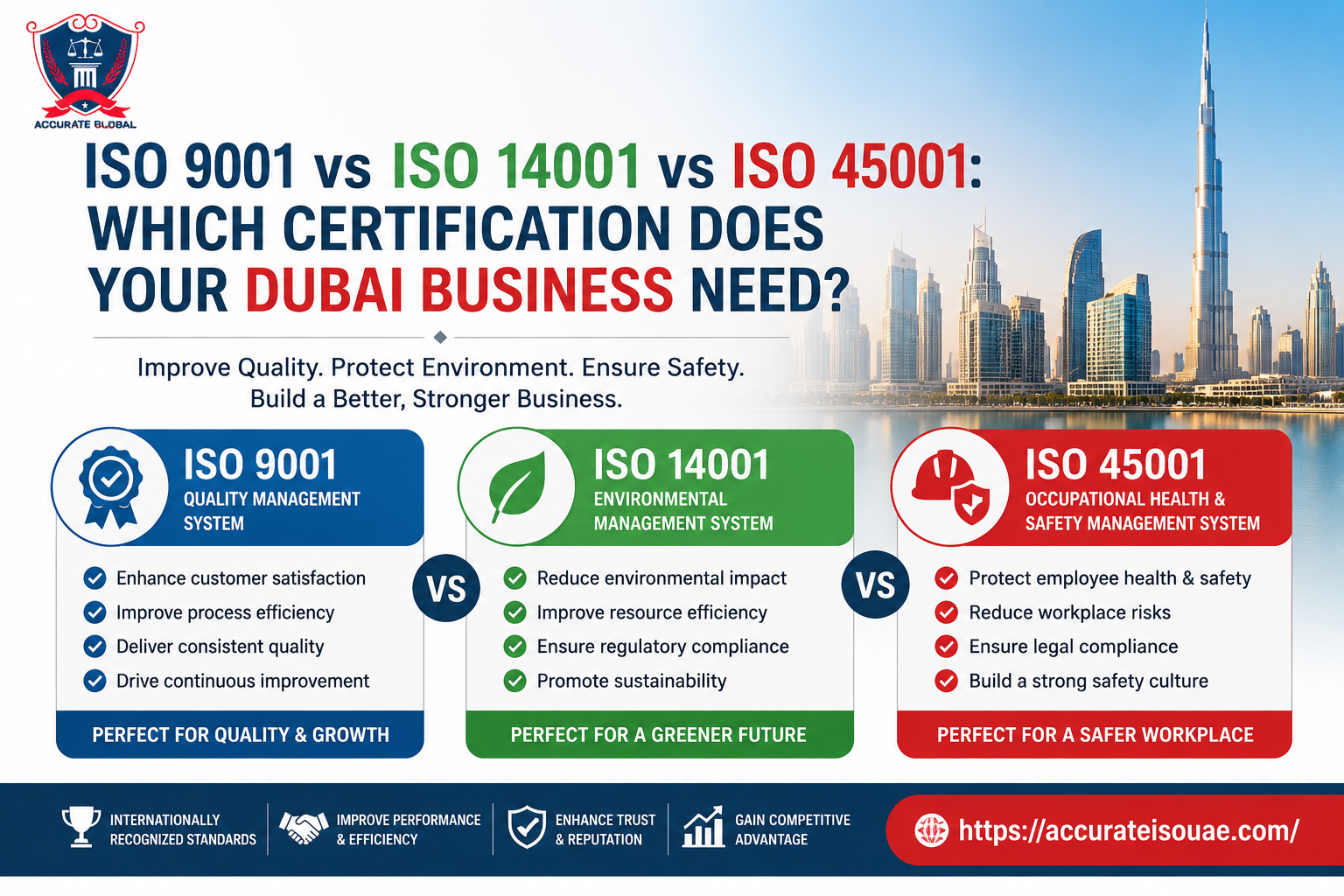
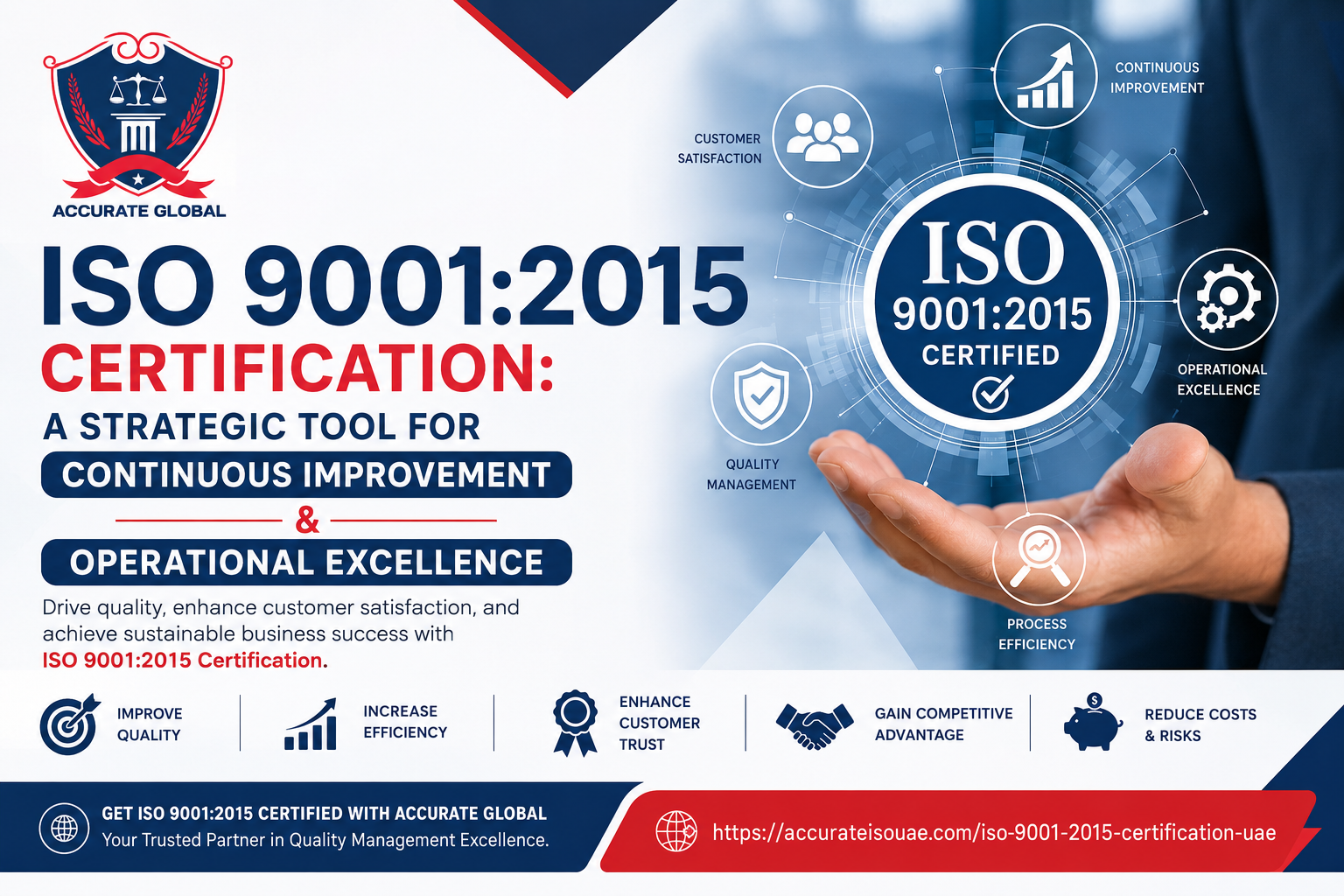
- ISO 9001 – Quality Management System
- ISO 14001 – Environmental Management System
- ISO 45001 – Occupational Health and Safety Management System
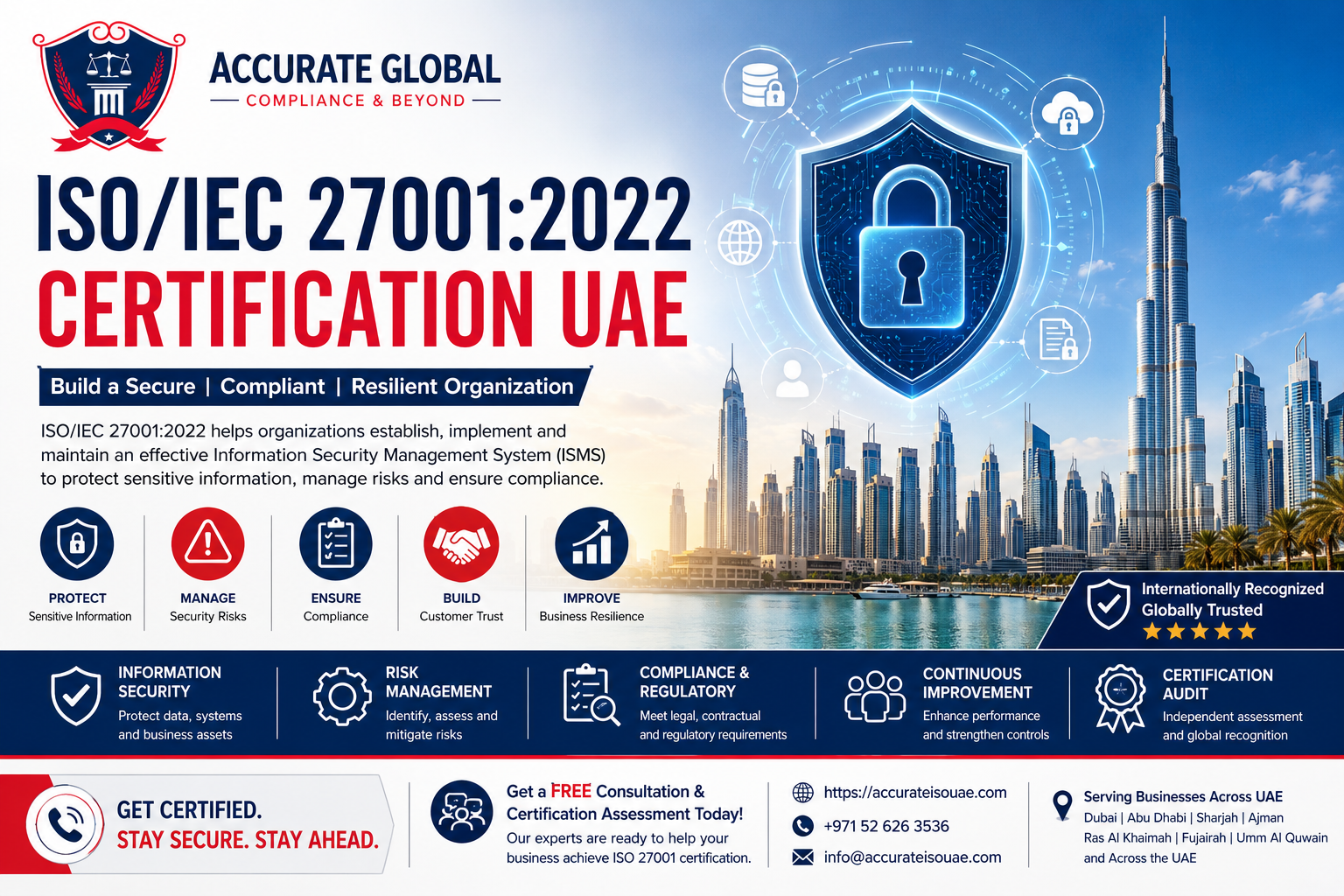
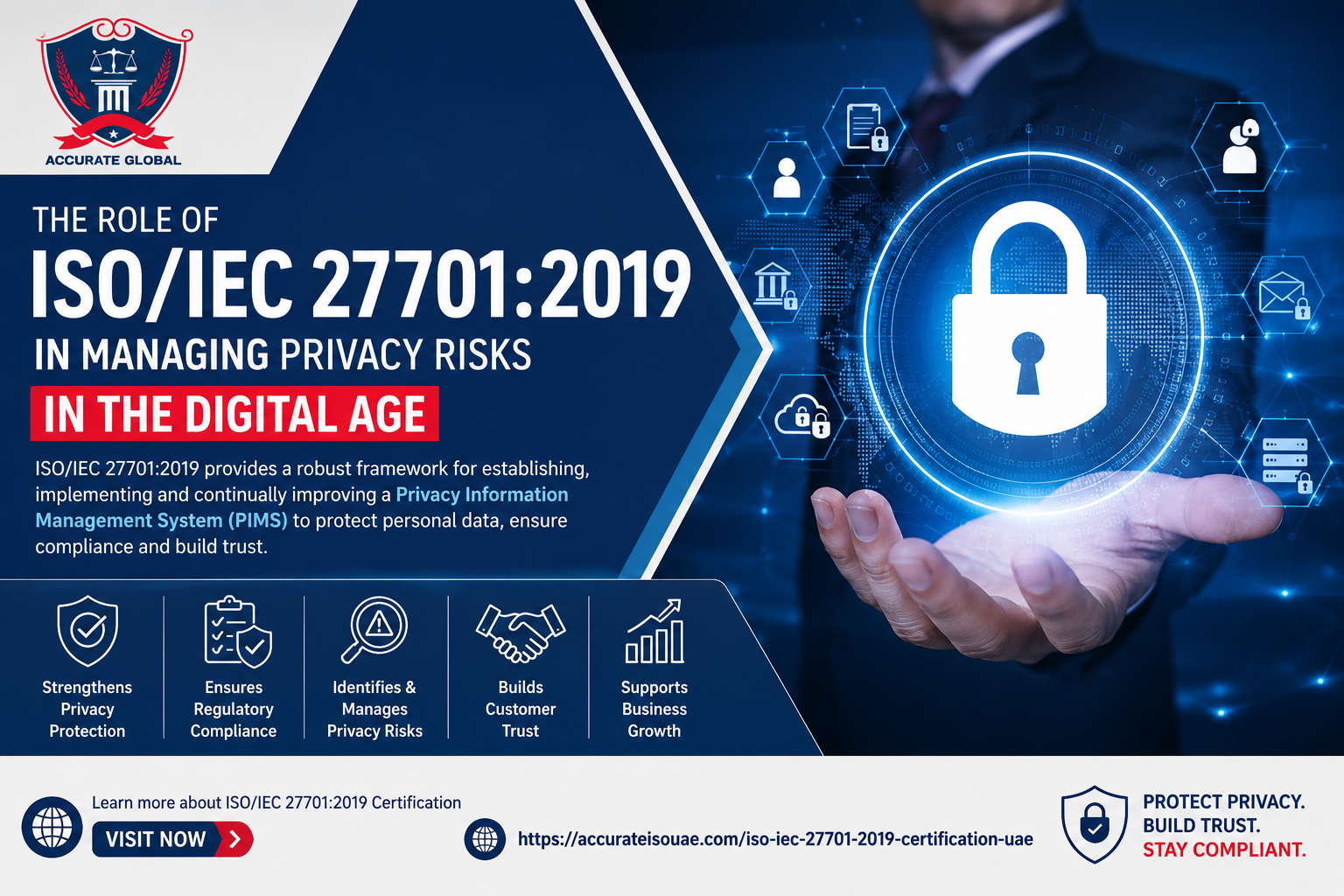
- ISO 27001 – Information Security Management System
- ISO 22000 – Food Safety Management System
Achieving ISO certification demonstrates that a company follows internationally accepted best practices and maintains a commitment to continuous improvement.
Why ISO Certification Matters for Dubai Businesses
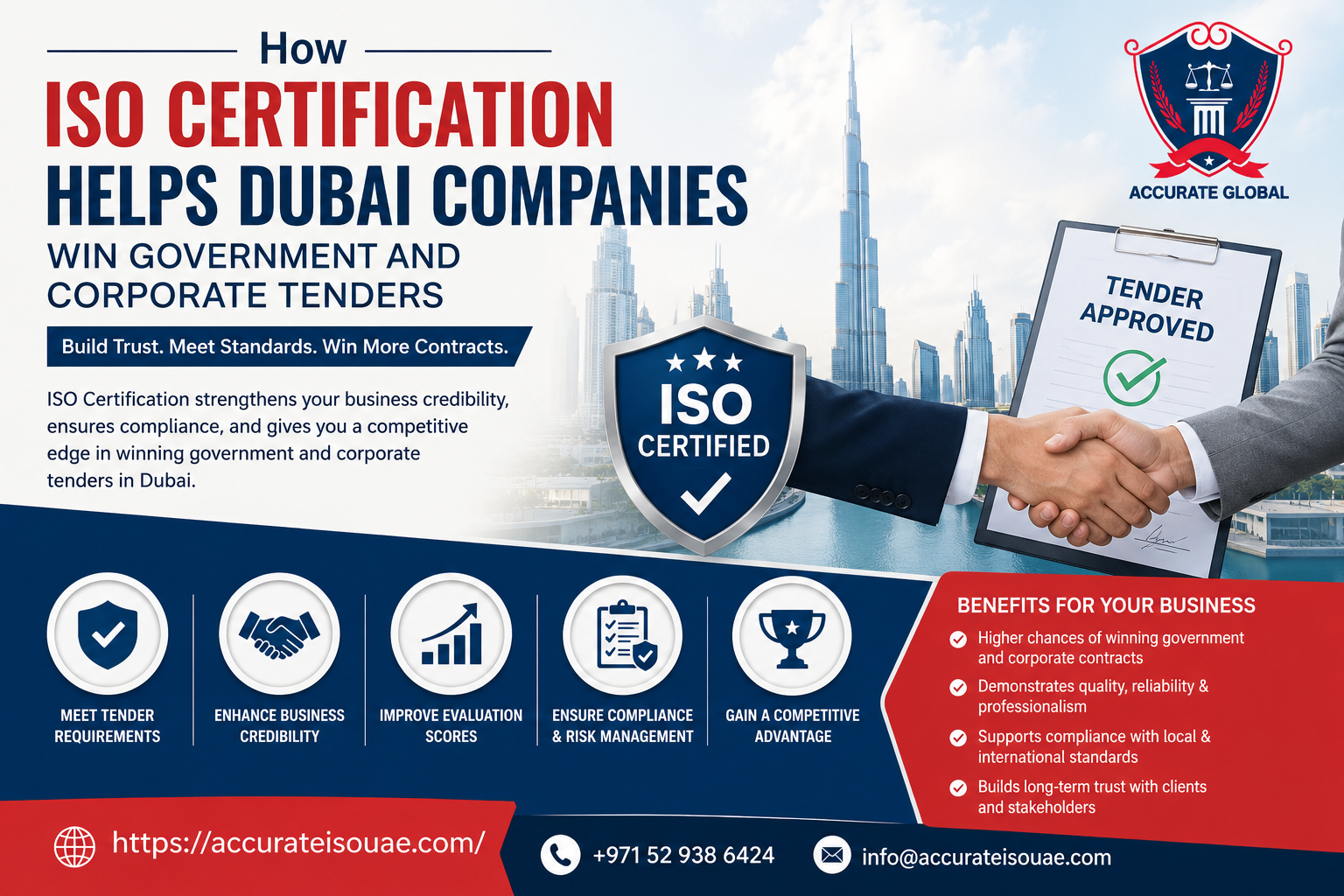
Dubai's business environment is highly competitive and regulated. Many government tenders, corporate contracts, and international partnerships require organizations to hold relevant ISO certifications.
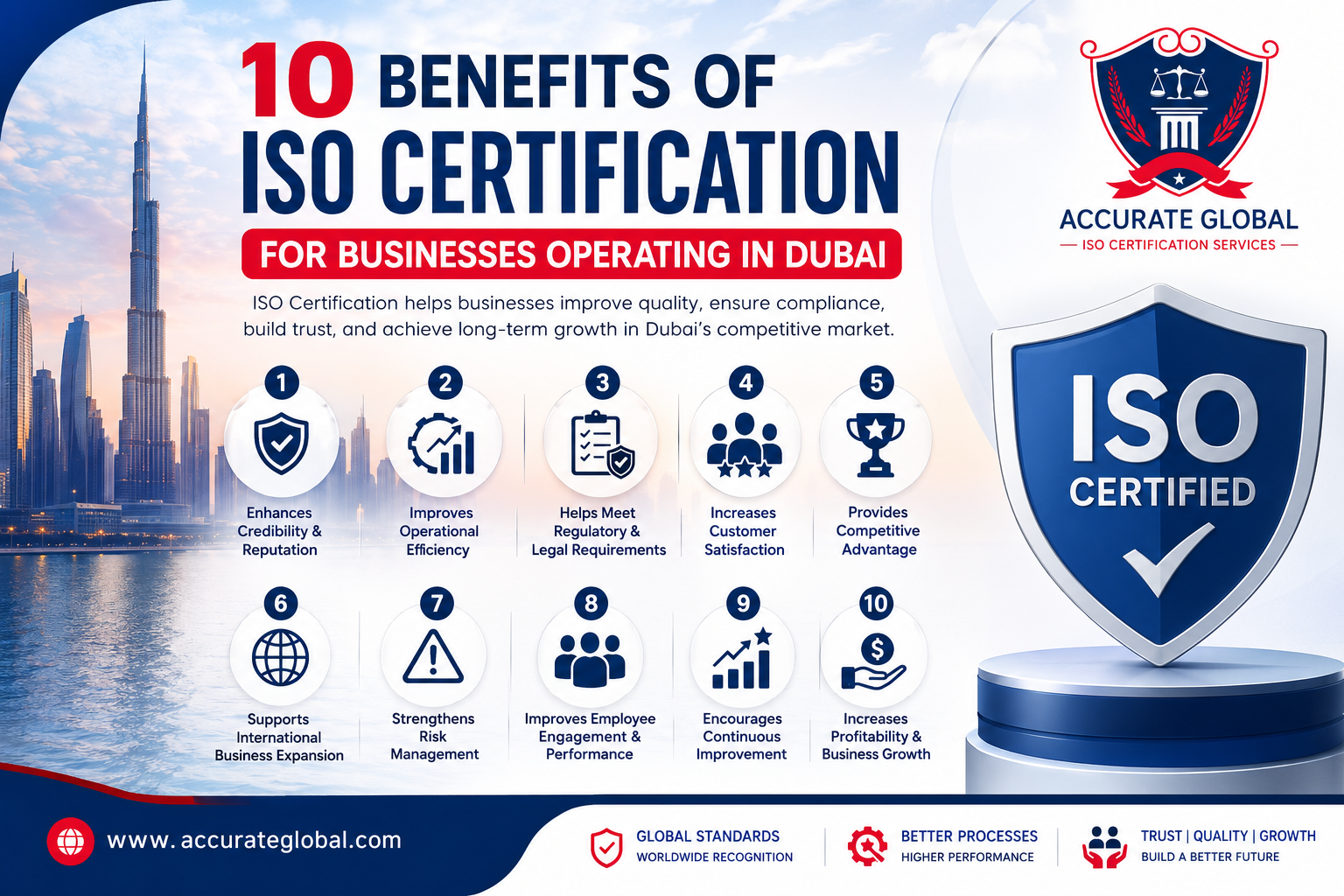
Key benefits include:
- Enhanced customer confidence
- Improved operational efficiency
- Better risk management
- Increased business opportunities
- Stronger compliance with regulations
- Competitive advantage in local and global markets
These benefits make understanding the ISO Certification Requirements in Dubai a critical step for companies aiming for long-term growth.
Eligibility Criteria for ISO Certification in Dubai
One of the biggest advantages of ISO certification is that almost any organization can apply regardless of its size or industry.
Eligible Organizations Include:
- Small and Medium Enterprises (SMEs)
- Startups
- Manufacturing Companies
- Construction Firms
- Healthcare Providers
- Educational Institutions
- Logistics Companies
- IT and Technology Firms
- Hospitality Businesses
- Government and Semi-Government Entities
There is no minimum company size requirement. Whether you have five employees or five hundred, you can pursue ISO certification if your management system meets the standard's requirements.
Essential Documents Required for ISO Certification
Proper documentation is one of the most important ISO Certification Requirements in Dubai. Auditors evaluate whether your company has documented processes and procedures that comply with the selected ISO standard.
1. Company Registration Documents
Organizations typically need:
- Trade License
- Company Registration Certificate
- Memorandum of Association (MOA)
- VAT Registration (if applicable)
2. Quality Manual or Management System Documentation
The organization must create documented procedures that define how business processes are managed.
This may include:
- Quality Policy
- Company Objectives
- Process Maps
- Standard Operating Procedures (SOPs)
3. Organizational Structure
Businesses should provide:
- Organization Chart
- Roles and Responsibilities
- Employee Competency Records
4. Risk Assessment Records
Most modern ISO standards require organizations to identify and manage risks.
Documents may include:
- Risk Register
- Risk Assessment Reports
- Mitigation Plans
5. Training Records
Auditors verify that employees understand the implemented management system.
Examples include:
- Employee Training Records
- Awareness Programs
- Skill Evaluation Reports
6. Internal Audit Reports
Organizations must conduct internal audits before certification audits.
Required records include:
- Audit Plans
- Audit Checklists
- Audit Findings
- Corrective Actions
7. Management Review Records
Top management must review system performance regularly.
Documentation may include:
- Meeting Minutes
- Performance Reports
- Improvement Plans
Maintaining accurate records significantly improves certification success rates.
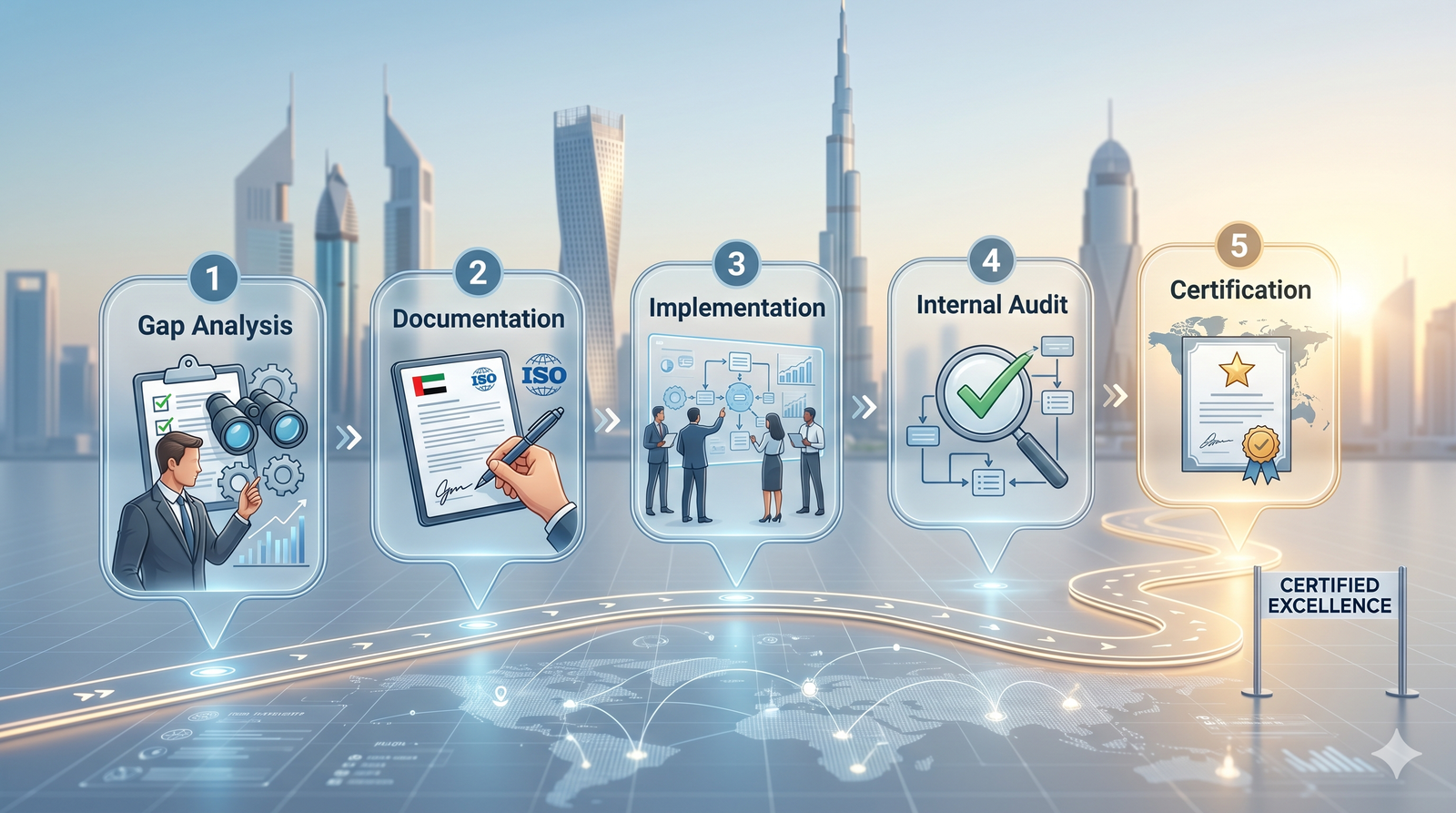
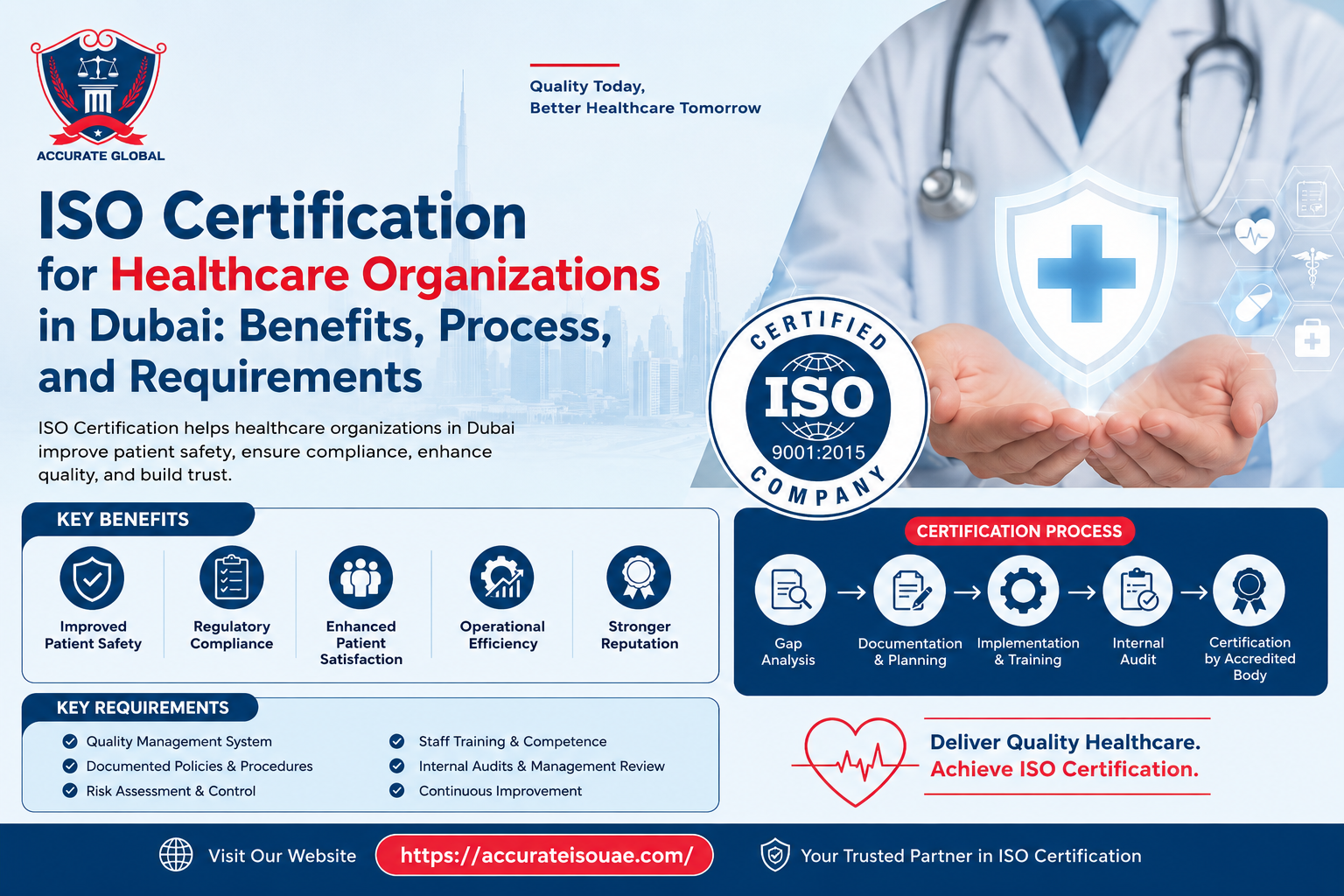
Step-by-Step ISO Certification Process in Dubai
Understanding the certification journey helps organizations prepare effectively.
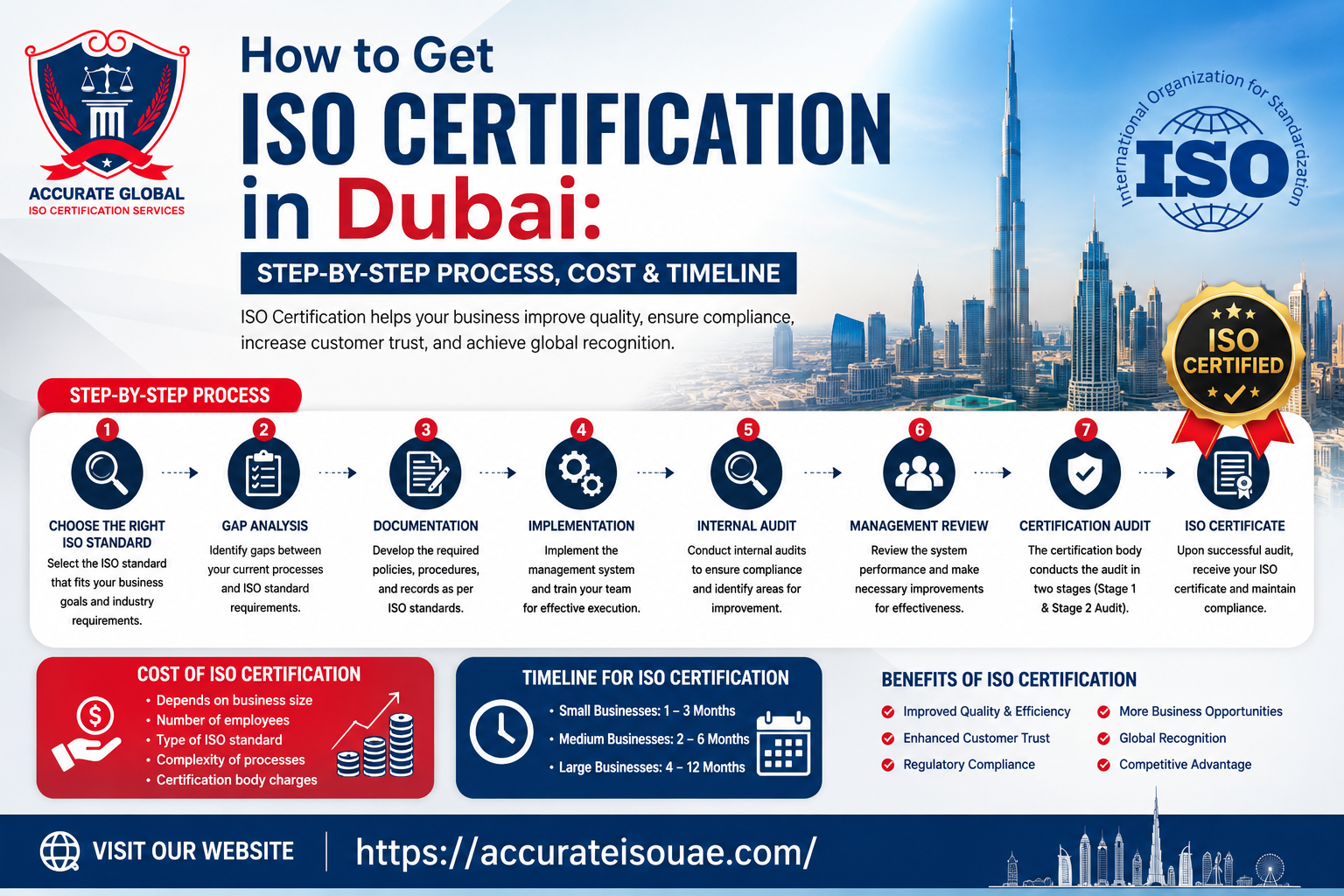
Step 1: Select the Appropriate ISO Standard
The first step is identifying the ISO standard that aligns with your business objectives.
For example:
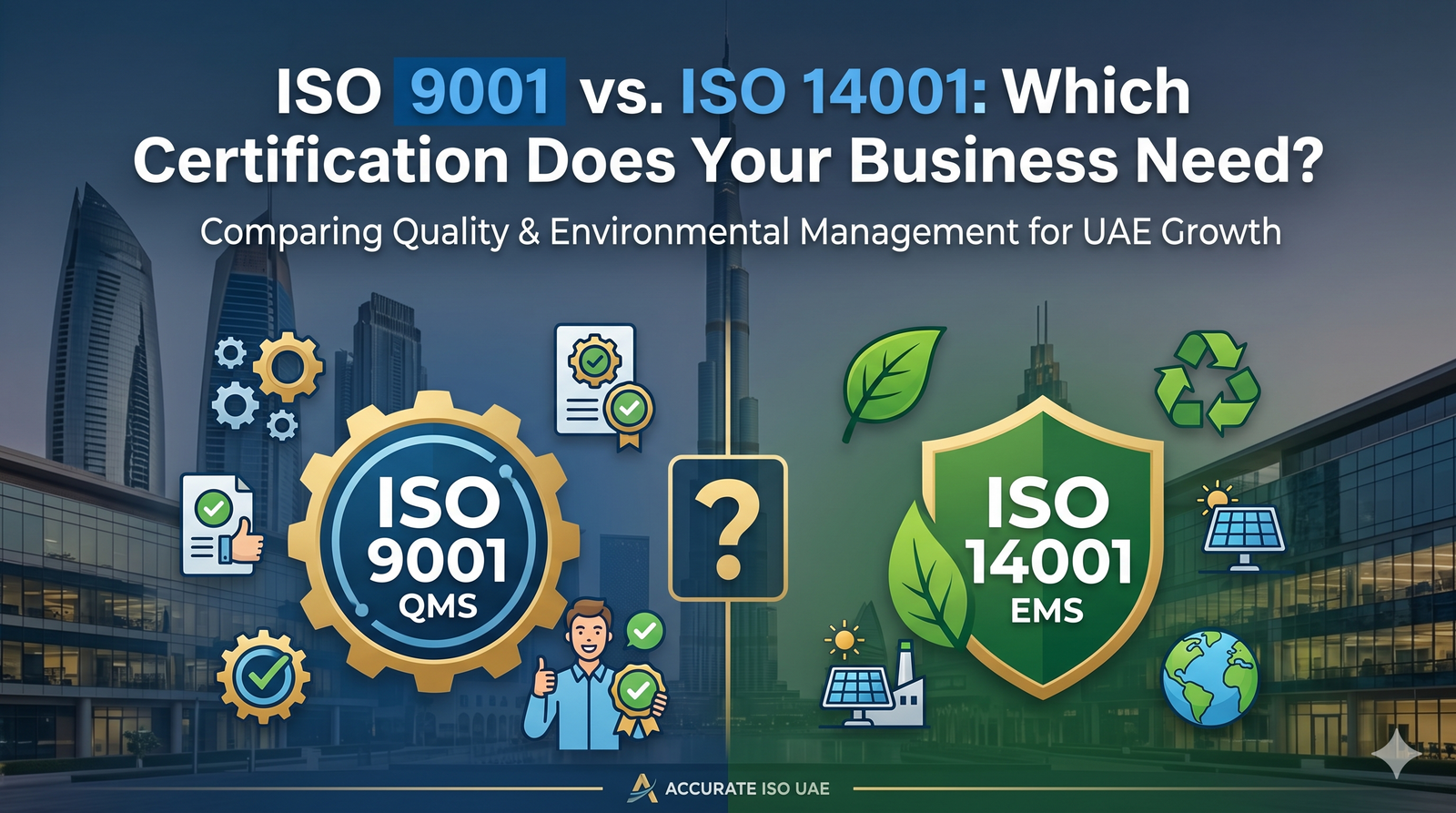
- ISO 9001 for quality management
- ISO 14001 for environmental compliance
- ISO 45001 for workplace safety
- ISO 27001 for information security
Many companies implement multiple standards simultaneously through an integrated management system.
Step 2: Gap Analysis
A gap analysis evaluates current business practices against ISO requirements.
This assessment helps identify:
- Missing procedures
- Documentation gaps
- Compliance weaknesses
- Improvement opportunities
Step 3: Develop and Implement Documentation
After identifying gaps, organizations create the required policies, procedures, and records.
The management system should be implemented throughout the organization and communicated to employees.
Step 4: Employee Training and Awareness
Employees play a major role in certification success.
Training should cover:
- ISO requirements
- Company procedures
- Quality objectives
- Compliance responsibilities
Well-trained employees help ensure consistent implementation.
Step 5: Internal Audit
Before the certification audit, the organization performs an internal audit.
The purpose is to verify:
- Compliance with ISO requirements
- Effectiveness of implemented processes
- Areas requiring corrective action
Any non-conformities identified should be resolved before moving forward.
Step 6: Management Review
Senior management reviews the performance of the management system and confirms readiness for certification.
This demonstrates leadership commitment, which is a core requirement of modern ISO standards.
Step 7: Certification Audit
An accredited certification body conducts the external audit in two stages.
Stage 1 Audit
The auditor reviews documentation and evaluates organizational readiness.
Stage 2 Audit
The auditor assesses actual implementation of the management system through interviews, observations, and record reviews.
Step 8: Certification Approval
If the organization successfully meets all requirements, the certification body issues the ISO certificate.
Most ISO certificates remain valid for three years, subject to annual surveillance audits.
Common Challenges During ISO Certification
Many companies face obstacles during implementation.
Common challenges include:
- Incomplete documentation
- Lack of employee involvement
- Poor record management
- Insufficient management commitment
- Delayed corrective actions
Working with experienced ISO consultants can help organizations avoid these issues and achieve certification efficiently.
How Long Does ISO Certification Take?
The timeline depends on factors such as company size, complexity, and readiness.
Typical durations include:
- Small businesses: 1–3 months
- Medium-sized companies: 2–4 months
- Large organizations: 3–6 months or longer
Organizations with existing management systems often achieve certification faster.
Conclusion
Understanding the ISO Certification Requirements in Dubai is the first step toward achieving internationally recognized standards and improving business performance. Companies must meet eligibility criteria, prepare essential documentation, implement effective management systems, conduct internal audits, and successfully complete certification audits.
Whether your goal is improving quality, enhancing workplace safety, protecting information, or meeting customer expectations, ISO certification can provide significant long-term benefits. By following the proper process and maintaining compliance, businesses in Dubai can strengthen their reputation, gain a competitive advantage, and unlock new growth opportunities in both local and international markets.
.png)
.png)
.png)
.png)
.png)
.png)
.png)