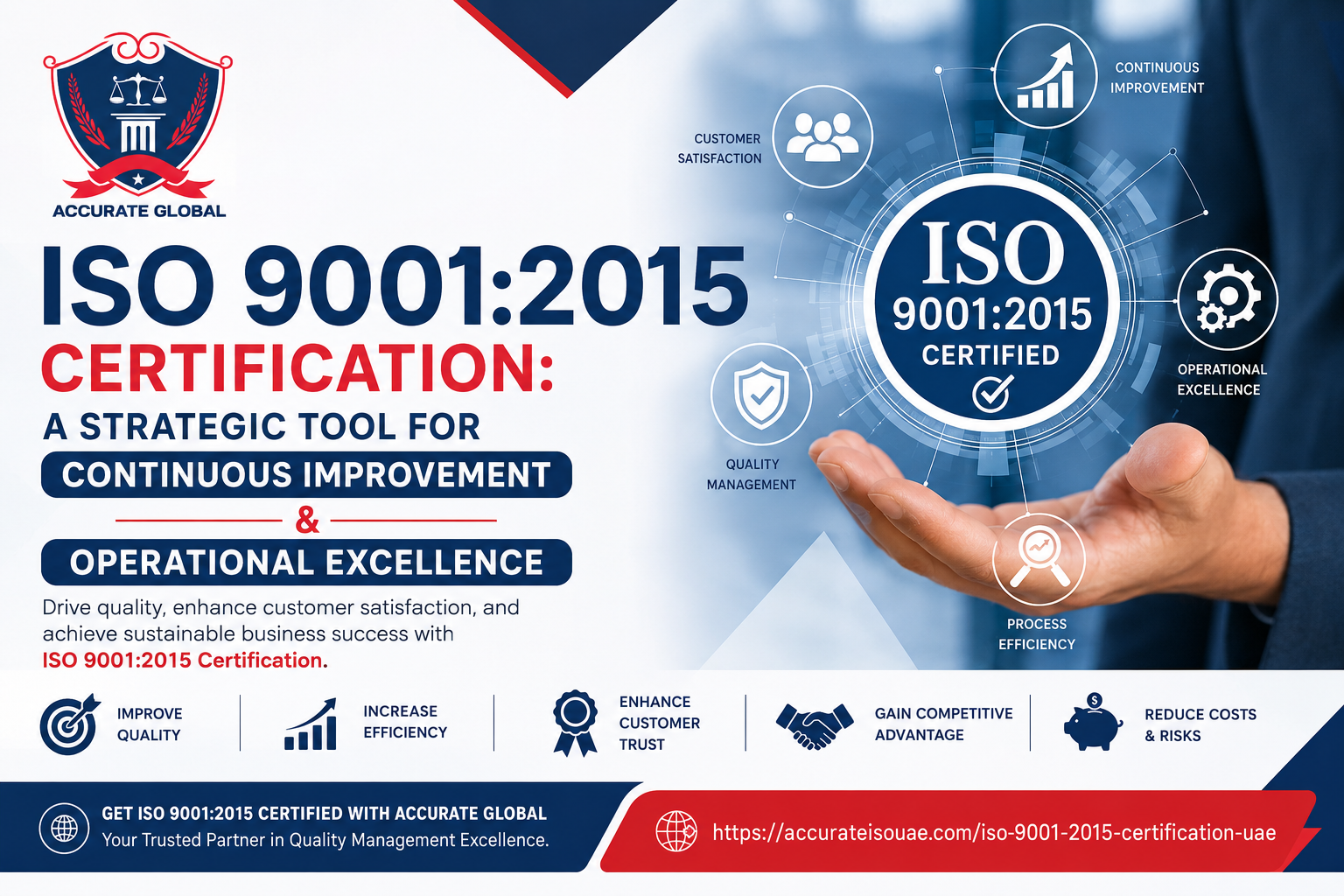
ISO 9001:2015 Certification: A Strategic Tool for Continuous Improvement and Operational Excellence
In today’s highly competitive business environment, organizations must consistently deliver high-quality products and services while improving efficiency and customer satisfaction. Achieving these goals requires a structured approach to quality management, continuous improvement, and operational excellence. This is where ISO 9001:2015 Certification plays a vital role.
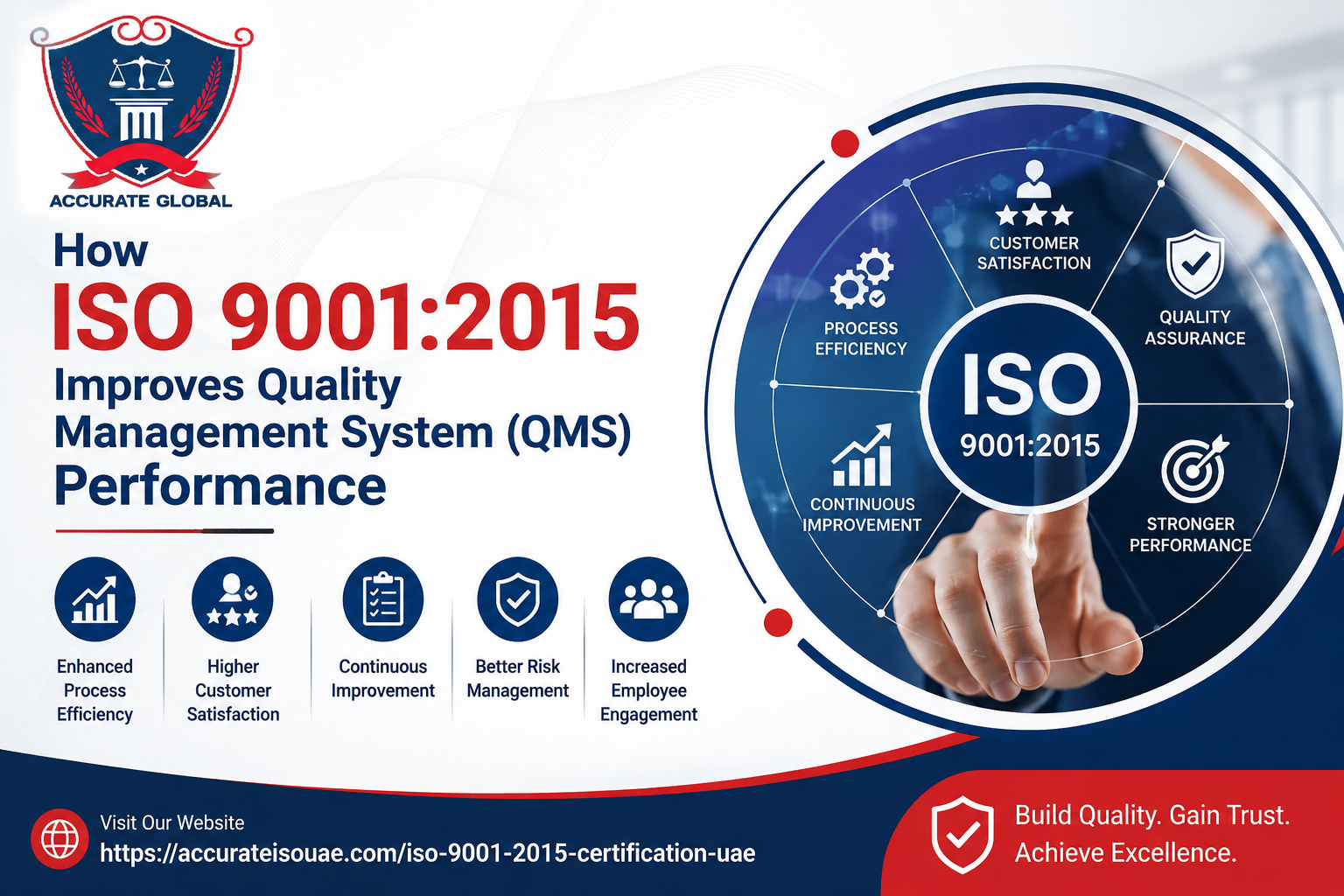
Recognized globally, ISO 9001:2015 is the international standard for Quality Management Systems (QMS). It provides organizations with a proven framework to enhance business processes, improve customer satisfaction, reduce operational inefficiencies, and drive sustainable growth. Whether a company operates in manufacturing, healthcare, construction, logistics, information technology, or any other sector, ISO 9001:2015 Certification serves as a strategic tool for long-term success.
Understanding ISO 9001:2015 Certification
ISO 9001:2015 Certification is based on the principles of quality management and continual improvement. Developed by the International Organization for Standardization (ISO), the standard helps organizations establish, implement, maintain, and improve an effective Quality Management System.
Unlike industry-specific standards, ISO 9001:2015 can be applied to organizations of all sizes and sectors. The standard focuses on ensuring that organizations consistently meet customer requirements while complying with applicable regulatory obligations.
The certification process demonstrates an organization’s commitment to quality, customer satisfaction, and operational excellence.
Why Continuous Improvement Matters
Continuous improvement is a key requirement of ISO 9001:2015. Businesses that continuously evaluate and improve their processes are better equipped to adapt to market changes, customer expectations, and technological advancements.
Organizations that embrace continuous improvement can:
- Identify inefficiencies and eliminate waste
- Improve product and service quality
- Enhance customer experiences
- Reduce operational costs
- Increase productivity
- Strengthen competitive advantage
ISO 9001:2015 Certification provides a structured framework that enables organizations to systematically monitor performance, identify opportunities for improvement, and implement corrective actions.
Key Principles of ISO 9001:2015
The effectiveness of ISO 9001:2015 Certification is built on several quality management principles:
Customer Focus
Customer satisfaction is at the center of ISO 9001:2015. Organizations must understand customer needs, meet expectations, and continuously improve products and services to enhance customer experiences.
Leadership Commitment
Strong leadership is essential for a successful Quality Management System. Top management is responsible for establishing quality objectives, promoting a quality culture, and ensuring organizational alignment.
Process Approach
ISO 9001:2015 encourages organizations to manage activities as interconnected processes. This approach improves efficiency, consistency, and overall performance.
Risk-Based Thinking
The standard requires organizations to identify potential risks and opportunities that may impact business objectives. Proactive risk management helps prevent issues before they occur.
Evidence-Based Decision Making
Data-driven decisions lead to better business outcomes. ISO 9001:2015 promotes the use of measurable performance indicators and objective evidence for decision-making.
Continual Improvement
Organizations must continuously evaluate and improve their Quality Management System to enhance effectiveness and achieve better results.
How ISO 9001:2015 Certification Drives Operational Excellence
Operational excellence refers to the ability of an organization to consistently deliver value through efficient and effective business processes. ISO 9001:2015 Certification supports operational excellence in several ways.
Improved Process Efficiency
A documented Quality Management System helps organizations standardize procedures, reduce duplication, and eliminate unnecessary activities. This results in smoother workflows and improved productivity.
Reduced Errors and Rework
Poor quality often leads to costly mistakes, delays, and customer complaints. ISO 9001:2015 emphasizes process control, monitoring, and corrective actions, helping organizations minimize errors and improve consistency.
Enhanced Resource Management
Organizations can better allocate resources, optimize workforce performance, and improve operational planning through systematic quality management practices.
Better Supplier Performance
Supplier quality directly affects organizational performance. ISO 9001:2015 encourages businesses to evaluate and manage supplier relationships to ensure consistent quality throughout the supply chain.
Increased Customer Satisfaction
Meeting customer expectations consistently is one of the most significant benefits of ISO 9001:2015 Certification. Satisfied customers are more likely to remain loyal, provide referrals, and contribute to long-term business growth.
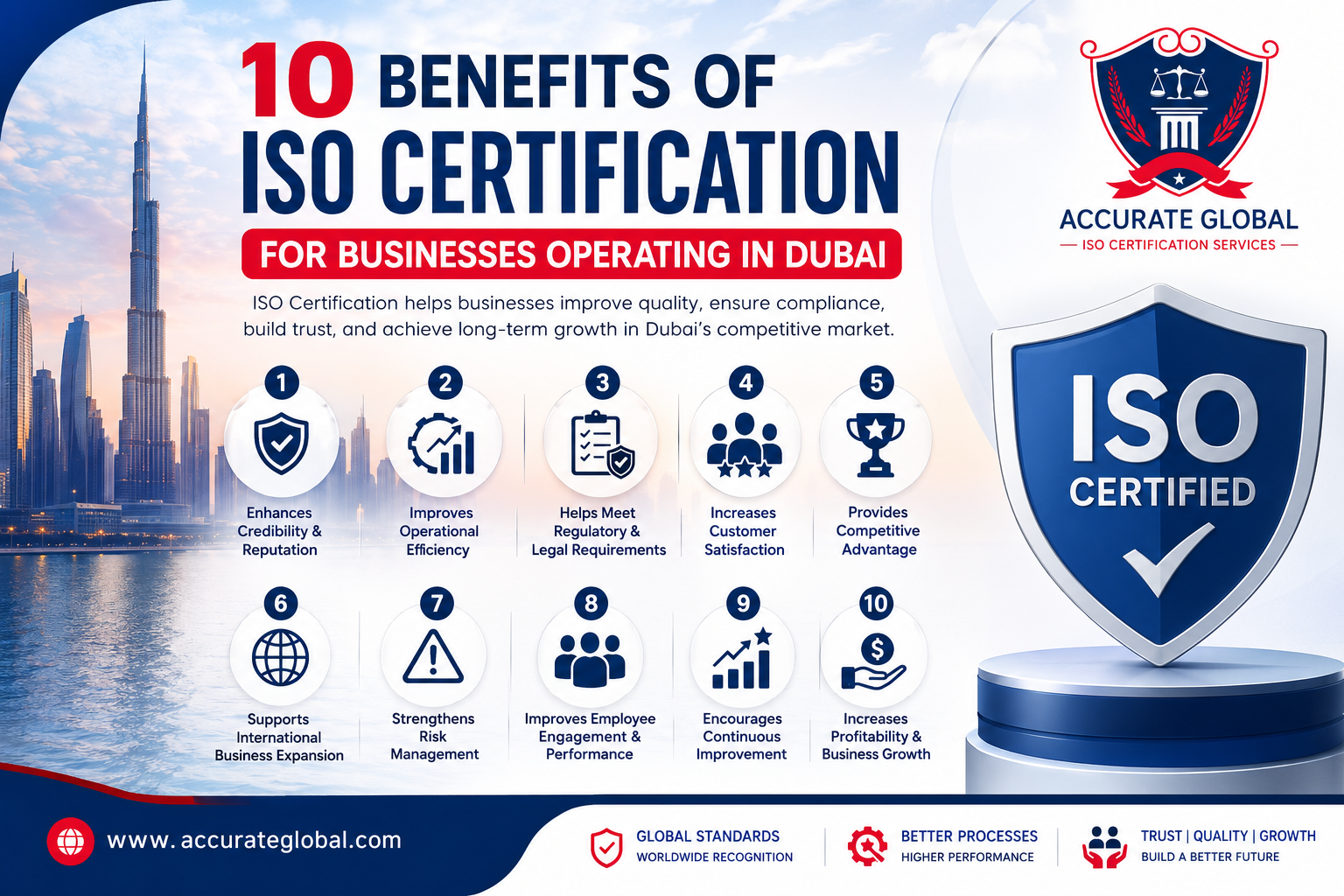
Business Benefits of ISO 9001:2015 Certification
Organizations that achieve ISO 9001:2015 Certification often experience significant operational and financial benefits.
Strengthened Market Reputation
Certification demonstrates a commitment to internationally recognized quality standards, enhancing credibility among customers, partners, and stakeholders.
Competitive Advantage
Many clients and government entities prefer or require suppliers to hold ISO 9001:2015 Certification. Certification can help organizations access new business opportunities and expand into new markets.
Improved Employee Engagement
Clearly defined processes and responsibilities create a more organized work environment. Employees understand their roles better and become more engaged in achieving organizational objectives.
Regulatory Compliance
ISO 9001:2015 helps organizations establish processes that support compliance with legal, regulatory, and customer requirements, reducing the risk of non-conformities.
Cost Savings
Improved efficiency, reduced waste, fewer defects, and better resource utilization contribute to lower operational costs and higher profitability.
ISO 9001:2015 Certification in the UAE
Businesses across the UAE are increasingly adopting ISO 9001:2015 Certification to strengthen quality management practices and remain competitive in rapidly evolving markets. Industries such as construction, manufacturing, healthcare, logistics, education, and professional services are recognizing the value of implementing a robust Quality Management System.
As the UAE continues to focus on innovation, sustainability, and global competitiveness, ISO 9001:2015 Certification provides organizations with a reliable framework for achieving operational excellence and delivering consistent value to customers.
Conclusion
ISO 9001:2015 Certification is far more than a compliance requirement—it is a strategic business tool that supports continuous improvement and operational excellence. By implementing a structured Quality Management System, organizations can improve efficiency, reduce risks, enhance customer satisfaction, and strengthen their market position.
In an increasingly competitive business landscape, organizations that prioritize quality and continual improvement are better positioned for sustainable success. ISO 9001:2015 Certification provides the framework needed to achieve these objectives while building a culture of excellence that drives long-term growth and customer trust.
.png)
.png)
.png)
.png)
.png)
.png)
.png)