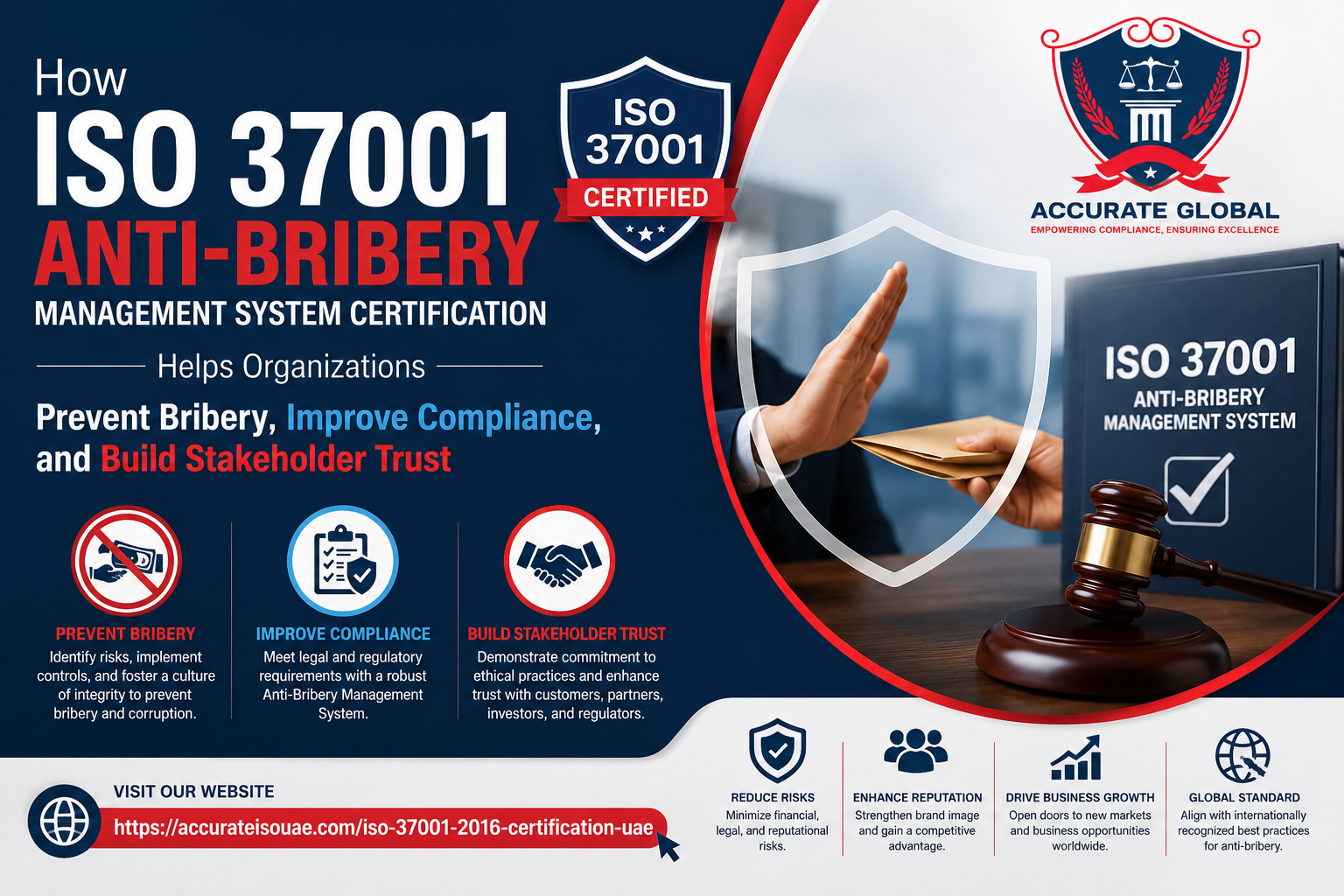
How ISO 37001 Anti-Bribery Management System Certification Helps Organizations Prevent Bribery, Improve Compliance, and Build Stakeholder Trust
In today's highly regulated and competitive business environment, organizations face increasing pressure to demonstrate ethical conduct, transparency, and accountability. Bribery and corruption can severely damage a company's reputation, result in legal penalties, and undermine stakeholder confidence. This is where ISO 37001 Anti-Bribery Management System Certification plays a crucial role. The international standard provides a structured framework that helps organizations prevent, detect, and address bribery risks while fostering a culture of integrity.
Understanding How ISO 37001 Anti-Bribery Management System Certification helps organizations achieve these objectives is essential for businesses seeking sustainable growth, regulatory compliance, and long-term stakeholder trust.
What Is ISO 37001 Anti-Bribery Management System Certification?
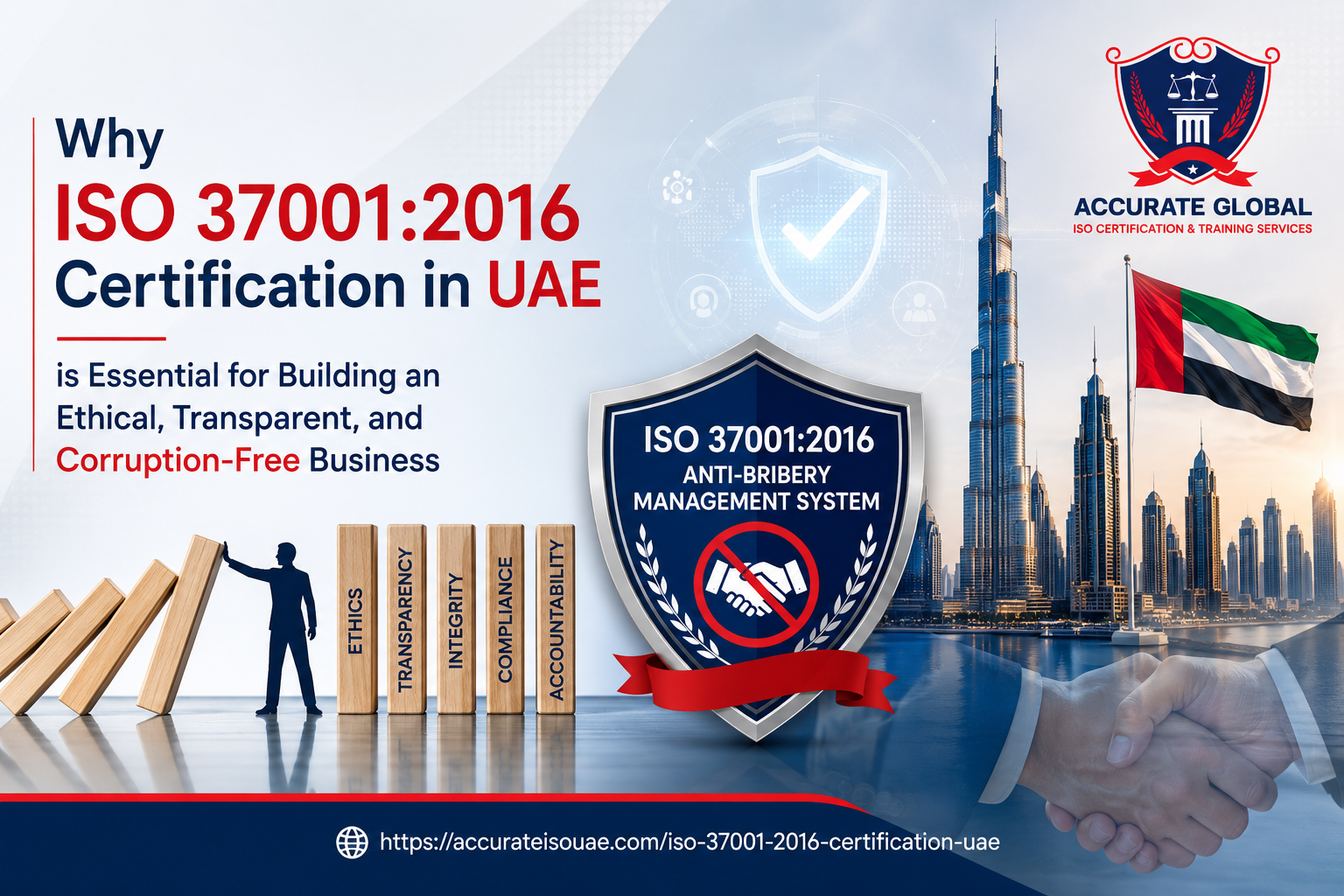
ISO 37001 is an internationally recognized standard developed by the International Organization for Standardization (ISO) to help organizations establish, implement, maintain, and improve an Anti-Bribery Management System (ABMS). The standard applies to organizations of all sizes and sectors, including private companies, public institutions, and non-profit organizations.
The primary goal of ISO 37001 is to provide practical measures that help organizations prevent bribery and corruption within their operations, supply chains, and business relationships. Certification demonstrates that an organization has implemented effective anti-bribery controls and is committed to ethical business practices.
How ISO 37001 Anti-Bribery Management System Certification Prevents Bribery
One of the most significant benefits of ISO 37001 certification is its ability to help organizations proactively prevent bribery. The standard requires businesses to identify bribery risks and implement controls to mitigate them before they become serious issues.
Risk Assessment and Due Diligence
ISO 37001 emphasizes comprehensive risk assessments to identify areas vulnerable to bribery. Organizations evaluate internal processes, third-party relationships, procurement activities, and business transactions to determine potential risks.
Additionally, due diligence procedures are established for employees, suppliers, contractors, and business partners. This helps organizations ensure that they work with individuals and entities that share their commitment to ethical conduct.
Anti-Bribery Policies and Procedures
The standard requires organizations to develop clear anti-bribery policies and procedures. These policies provide guidance on gifts, hospitality, donations, sponsorships, and conflict-of-interest situations. By establishing clear expectations, organizations reduce the likelihood of unethical behavior.
Employee Awareness and Training
Employees play a critical role in preventing bribery. ISO 37001 requires organizations to provide regular training and awareness programs that educate staff about anti-bribery requirements, reporting mechanisms, and ethical responsibilities. Well-informed employees are better equipped to recognize and avoid bribery-related risks.
Improving Regulatory Compliance Through ISO 37001
Compliance with legal and regulatory requirements is a top priority for organizations operating in today's global marketplace. Understanding How ISO 37001 Anti-Bribery Management System Certification improves compliance can help businesses avoid costly legal consequences and maintain operational stability.
Alignment with Anti-Corruption Laws
Many countries have stringent anti-corruption regulations that impose severe penalties on organizations involved in bribery. ISO 37001 aligns with many international anti-bribery principles and supports compliance with applicable legal requirements.
By implementing the standard, organizations establish systems that help identify compliance obligations, monitor adherence, and demonstrate a proactive commitment to legal compliance.
Documented Controls and Evidence
ISO 37001 requires organizations to maintain documented information related to anti-bribery policies, risk assessments, training activities, investigations, and corrective actions. These records provide valuable evidence during audits, regulatory reviews, and legal proceedings.
Documented controls also improve consistency and accountability across the organization, reducing the risk of compliance failures.
Internal Audits and Continuous Monitoring
The certification process includes regular internal audits and management reviews to evaluate the effectiveness of anti-bribery measures. Continuous monitoring helps organizations identify weaknesses, address nonconformities, and strengthen compliance performance over time.
Building Stakeholder Trust and Confidence
Trust is a valuable business asset. Customers, investors, employees, regulators, and business partners increasingly prefer to engage with organizations that demonstrate ethical behavior and transparency.
Enhanced Corporate Reputation
ISO 37001 certification sends a strong message that an organization takes bribery prevention seriously. This commitment to ethical business practices enhances corporate reputation and differentiates the organization from competitors.
A strong reputation can attract new customers, strengthen business relationships, and create opportunities for growth in domestic and international markets.
Increased Investor Confidence
Investors seek organizations that effectively manage risks and maintain strong governance practices. Certification demonstrates that the organization has established a robust framework for preventing corruption and protecting business interests.
This increased confidence can support investment opportunities and contribute to long-term financial stability.
Stronger Business Relationships
Many organizations now evaluate suppliers and partners based on their ethical standards and compliance programs. ISO 37001 certification provides assurance that an organization follows internationally recognized anti-bribery practices, making it a preferred business partner.
Improved Employee Morale
Employees are more likely to feel motivated and engaged when working for an organization that values integrity and ethical conduct. A transparent workplace culture promotes accountability, fairness, and trust among team members.
Additional Benefits of ISO 37001 Certification
Beyond bribery prevention and compliance, ISO 37001 offers several additional advantages:
- Reduced financial losses associated with bribery incidents.
- Improved organizational governance and risk management.
- Better decision-making through enhanced transparency.
- Increased competitiveness in global markets.
- Greater confidence among regulators and external stakeholders.
- Continuous improvement of anti-bribery management practices.
Conclusion
Understanding How ISO 37001 Anti-Bribery Management System Certification helps organizations prevent bribery, improve compliance, and build stakeholder trust highlights the significant value of this internationally recognized standard. By implementing a structured Anti-Bribery Management System, organizations can identify risks, establish effective controls, strengthen regulatory compliance, and foster a culture of integrity.
In an era where transparency and accountability are critical to business success, ISO 37001 certification provides a powerful framework for protecting organizational reputation, enhancing stakeholder confidence, and achieving sustainable growth. Organizations that invest in anti-bribery management demonstrate their commitment to ethical business practices and position themselves for long-term success in an increasingly competitive global marketplace.



.png)

.png)

.png)
.png)

.png)
.png)
.png)