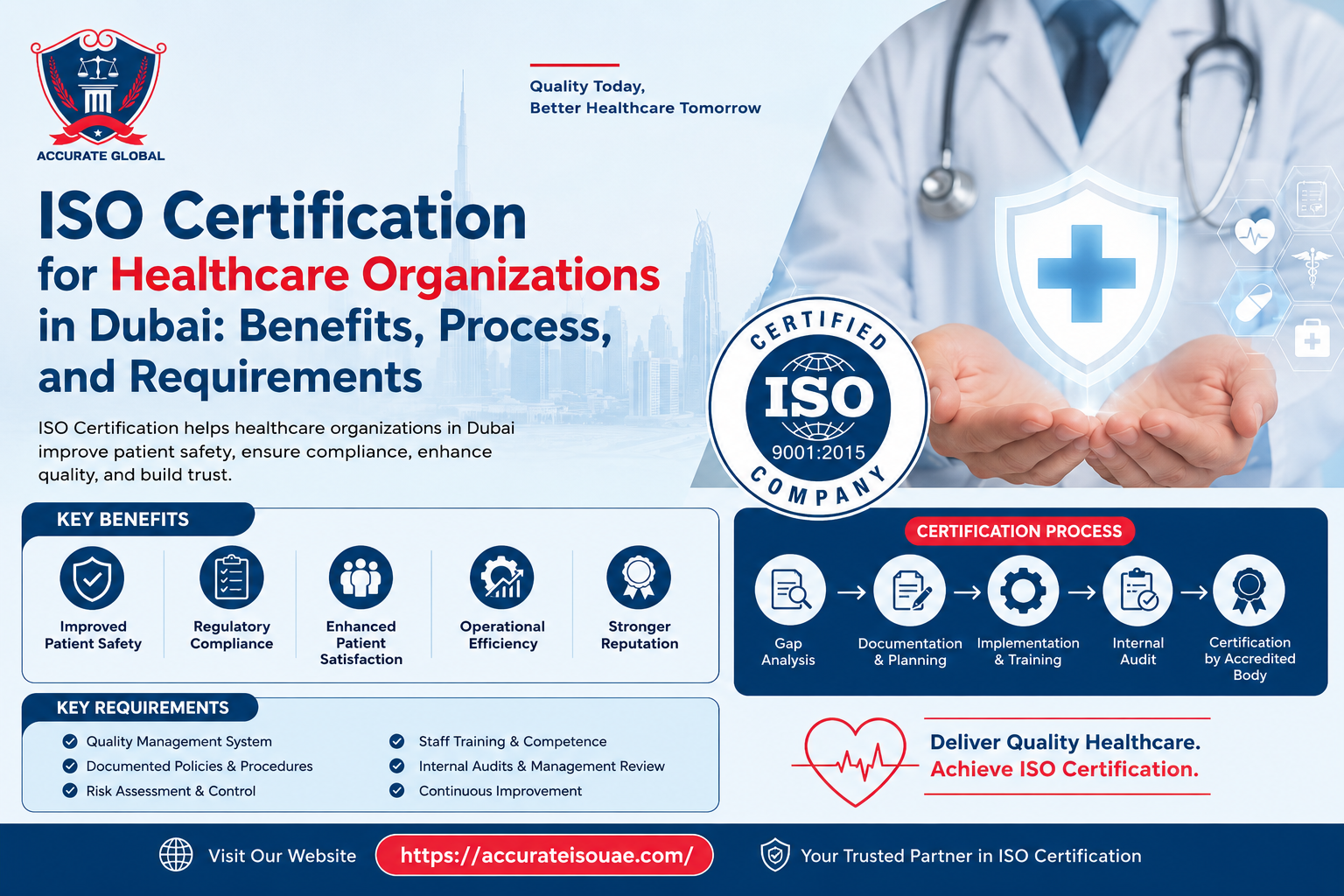
ISO Certification for Healthcare Organizations in Dubai: Benefits, Process, and Requirements
The healthcare sector in Dubai is rapidly evolving, with hospitals, clinics, diagnostic centers, pharmacies, and healthcare service providers striving to deliver world-class patient care. In such a highly regulated and competitive environment, maintaining quality, safety, and operational excellence is essential. This is where ISO Certification for Healthcare organizations becomes a valuable asset.
ISO certification helps healthcare facilities implement internationally recognized management systems that improve patient safety, enhance service quality, ensure regulatory compliance, and increase stakeholder confidence. Whether you operate a small clinic or a large hospital in Dubai, obtaining ISO certification can significantly strengthen your organization's reputation and performance.
What Is ISO Certification for Healthcare?
ISO Certification for Healthcare refers to the implementation and certification of internationally recognized standards developed by the International Organization for Standardization (ISO). These standards help healthcare organizations establish effective processes, reduce risks, improve patient outcomes, and ensure continuous improvement.
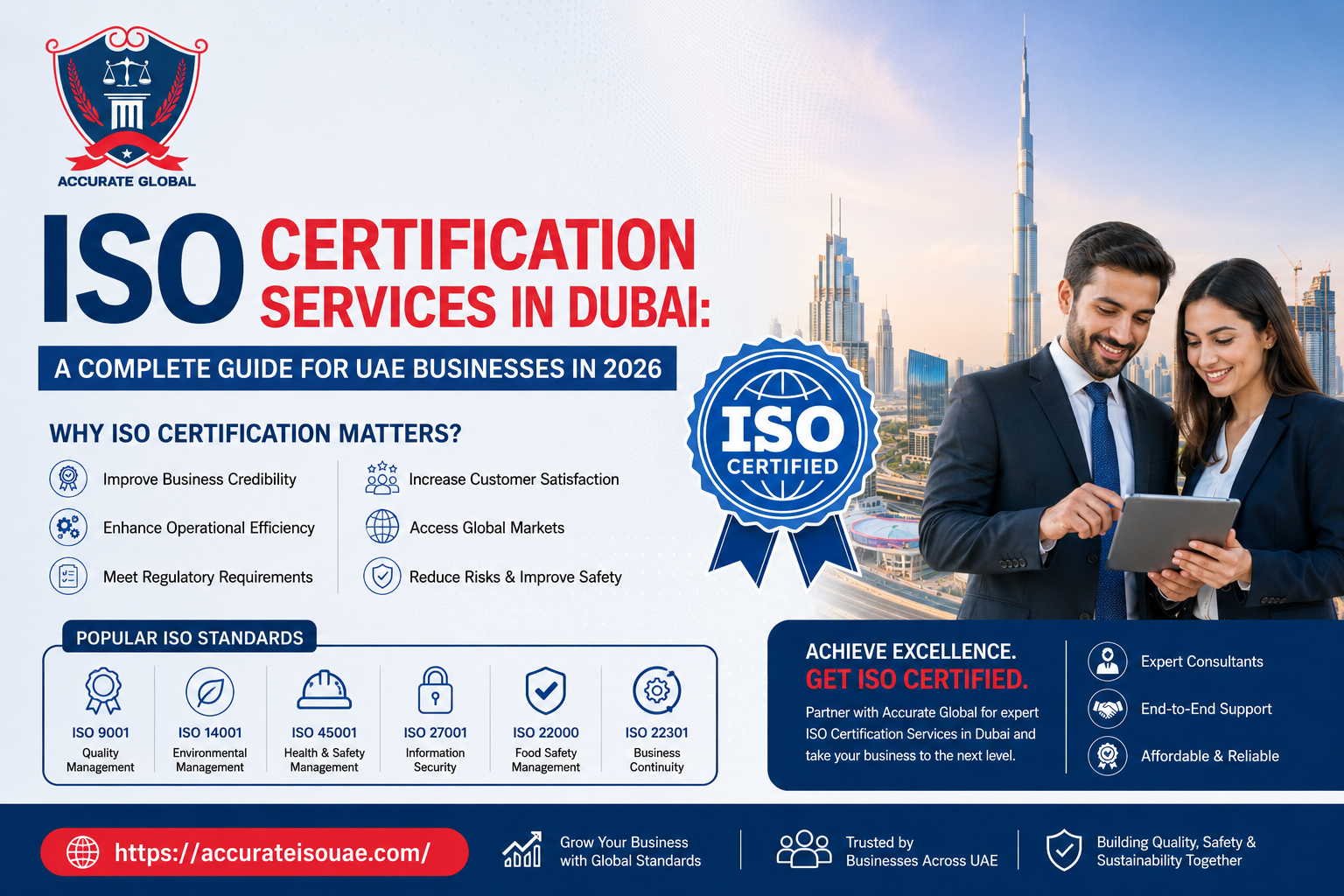
Healthcare organizations commonly pursue the following ISO standards:
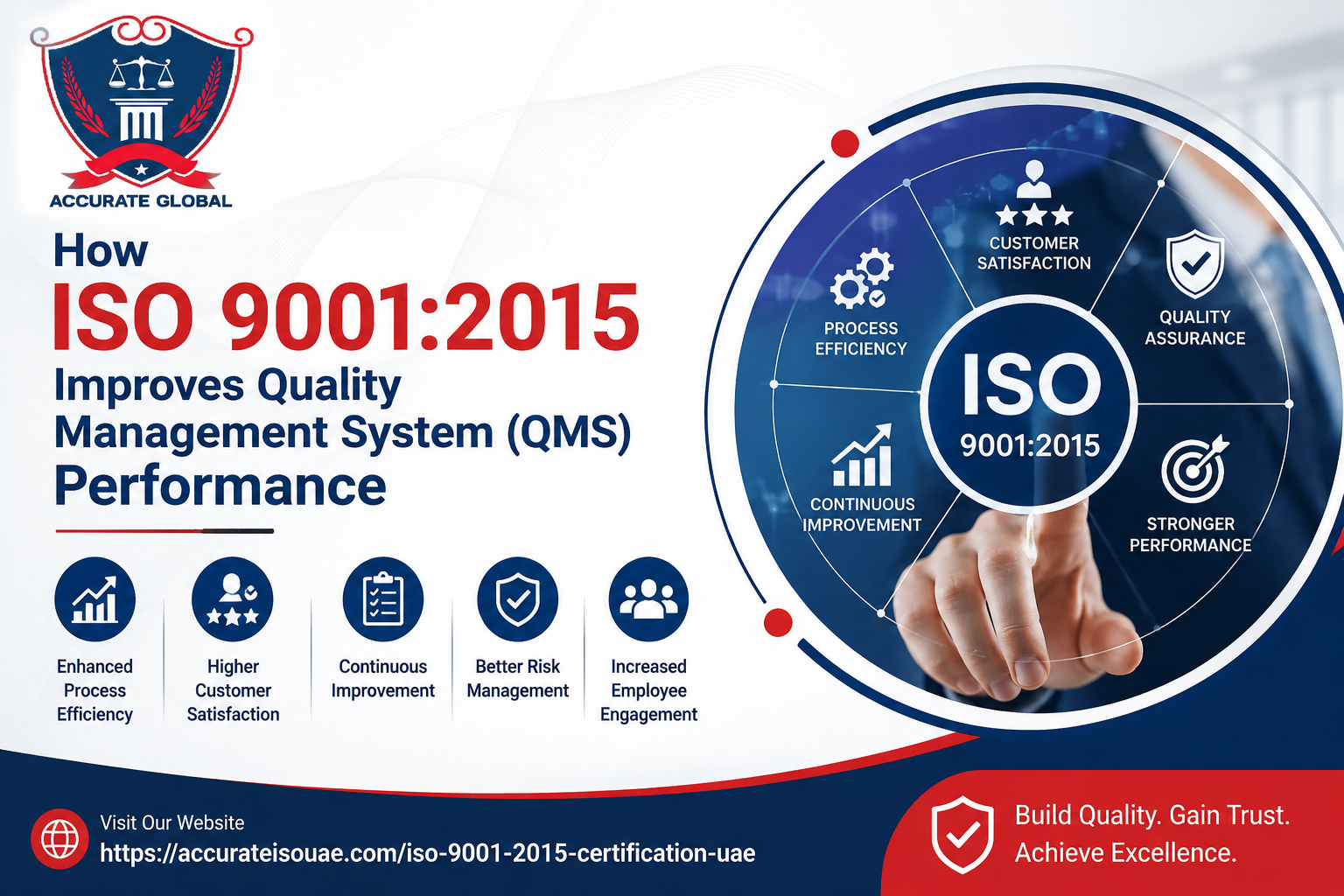
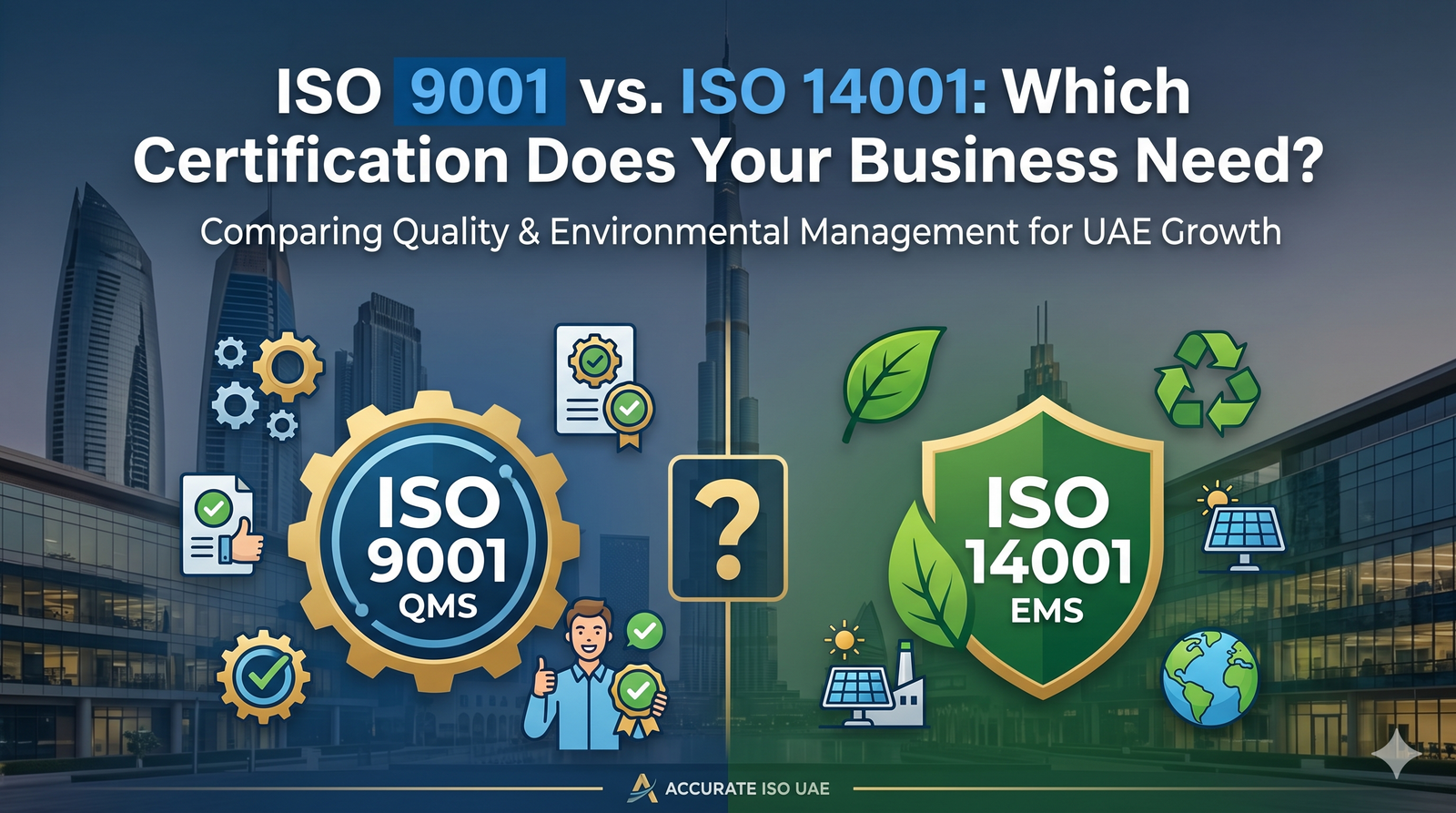
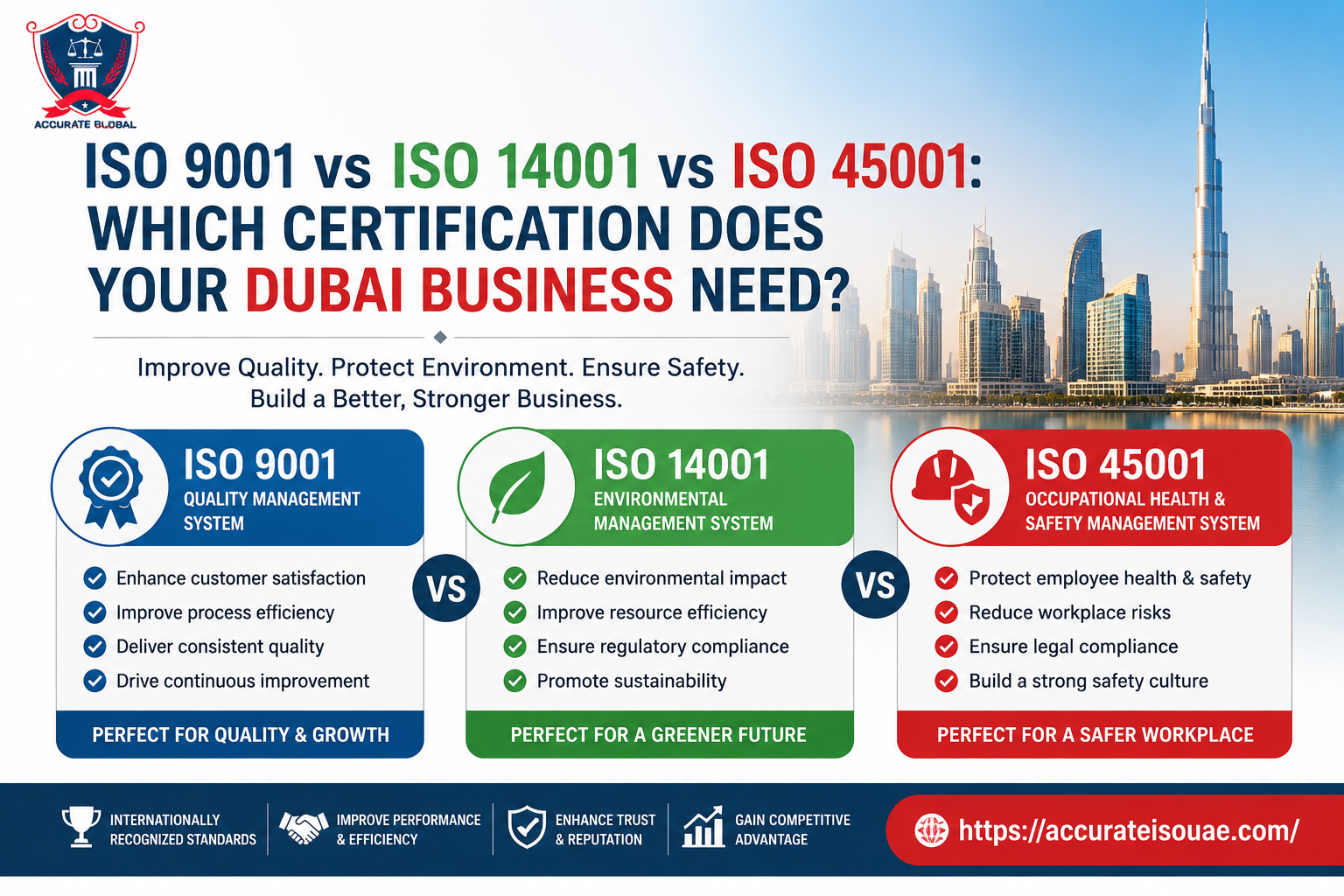
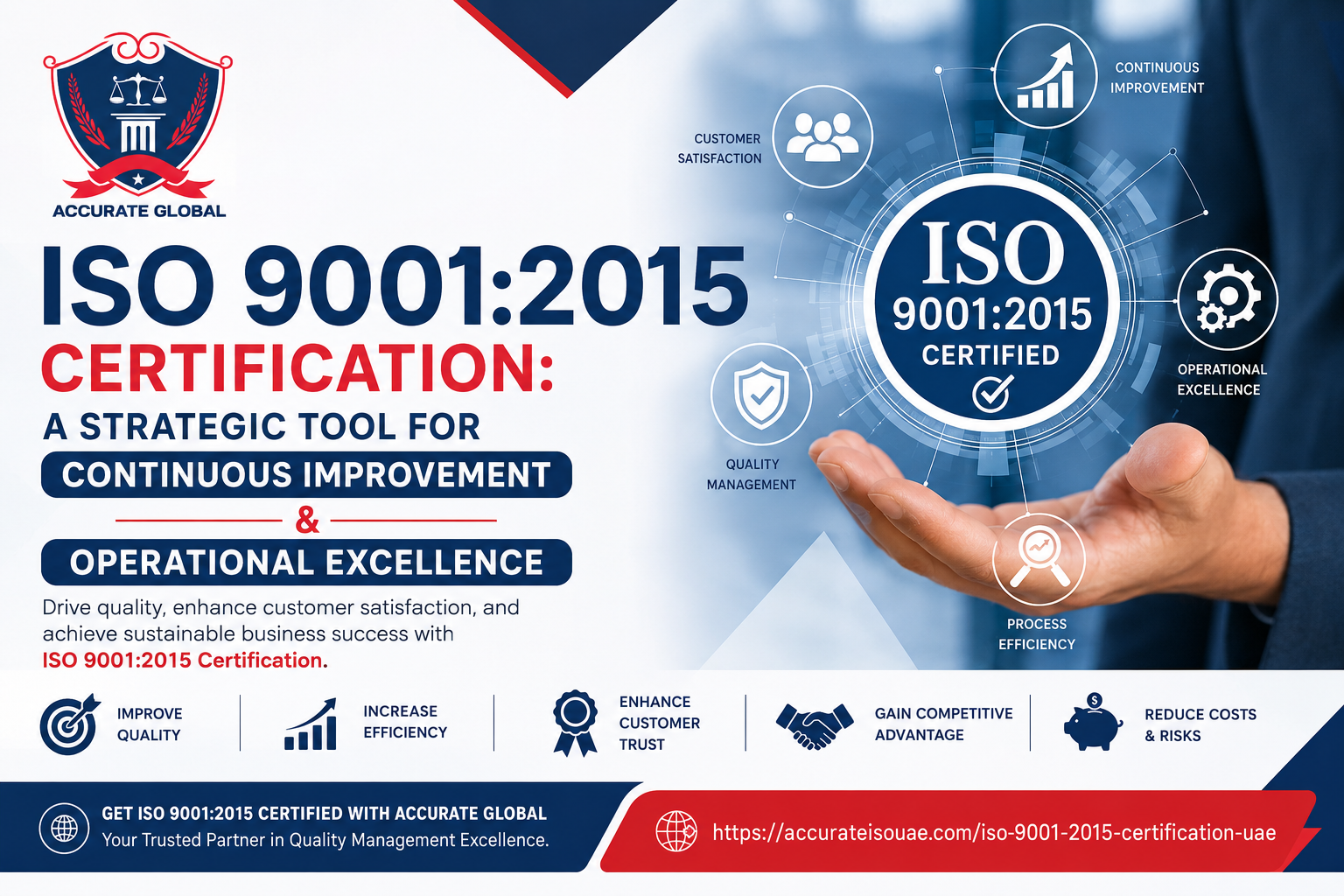
ISO 9001 – Quality Management System (QMS)
ISO 9001 focuses on improving service quality, patient satisfaction, and operational efficiency. It helps healthcare providers standardize processes and deliver consistent care.
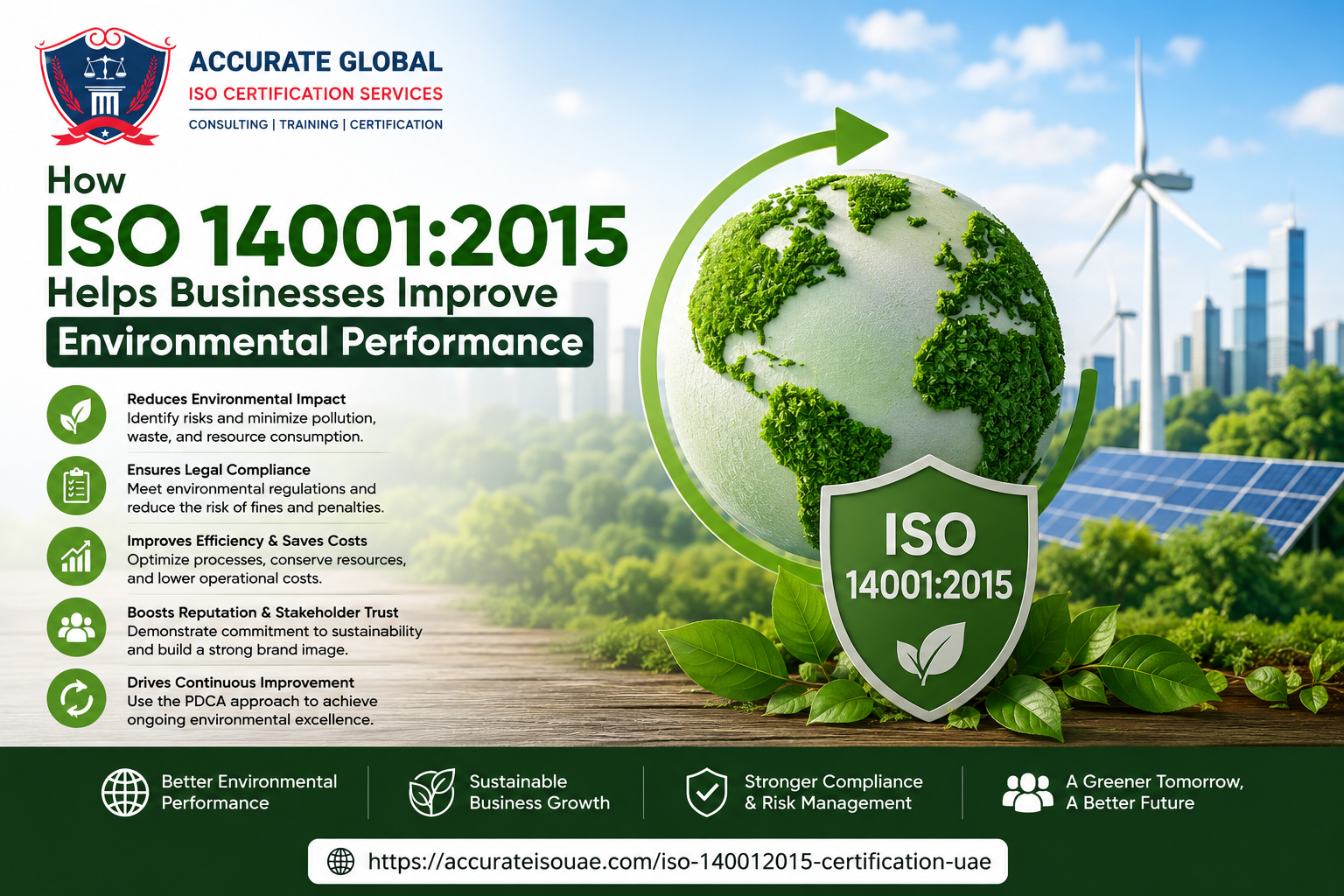
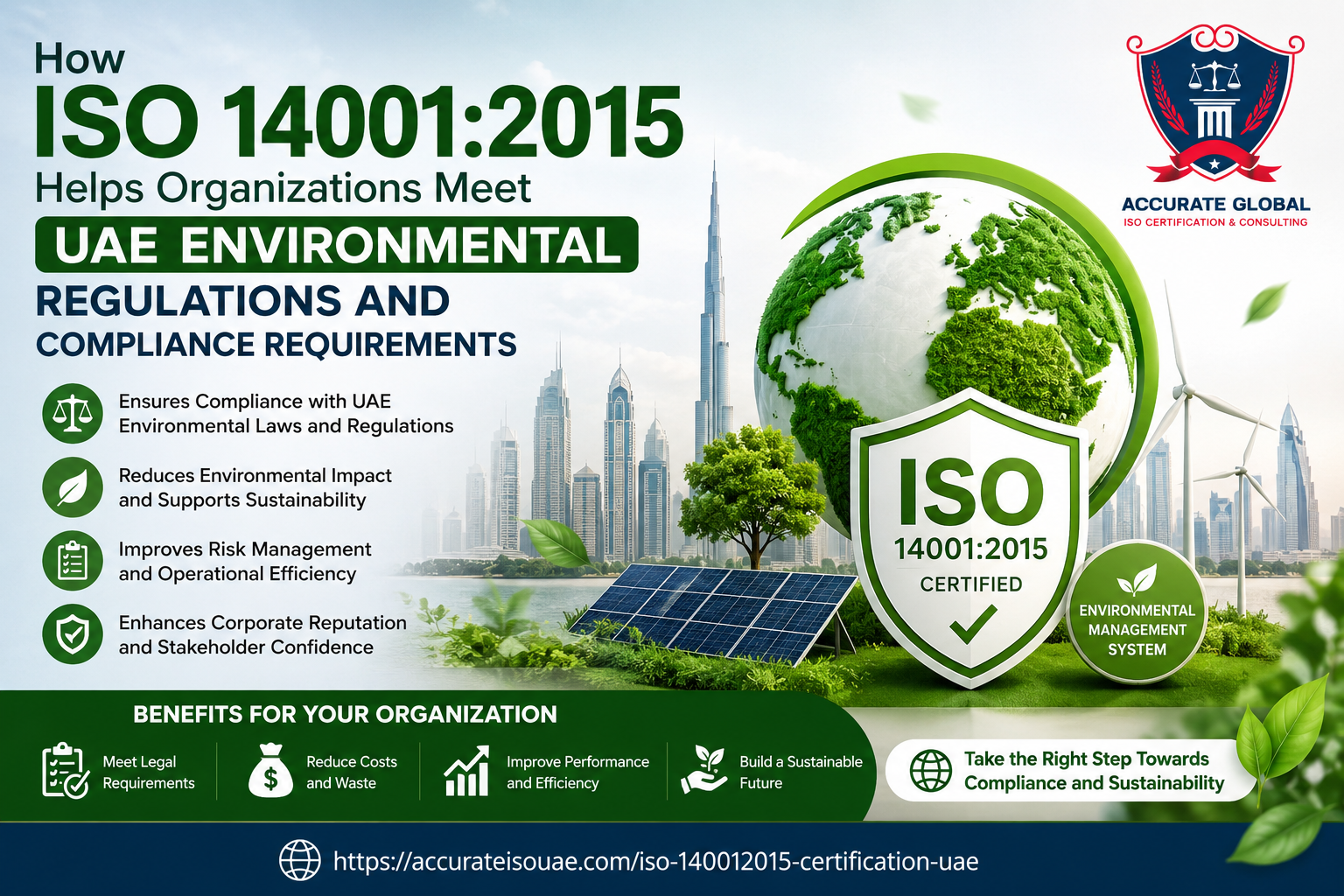
ISO 14001 – Environmental Management System (EMS)
This standard helps healthcare facilities manage environmental impacts, including medical waste disposal, resource consumption, and sustainability initiatives.
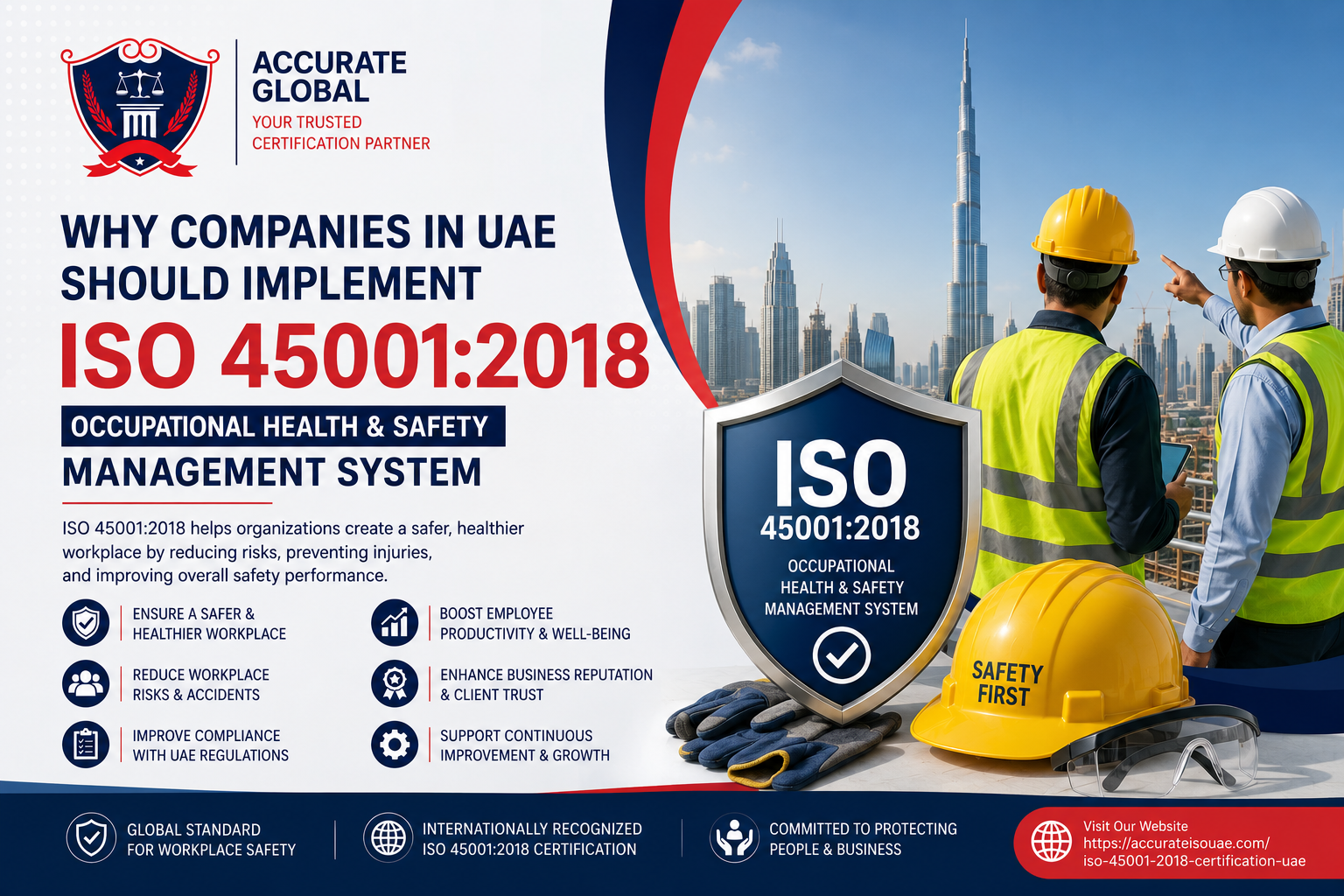
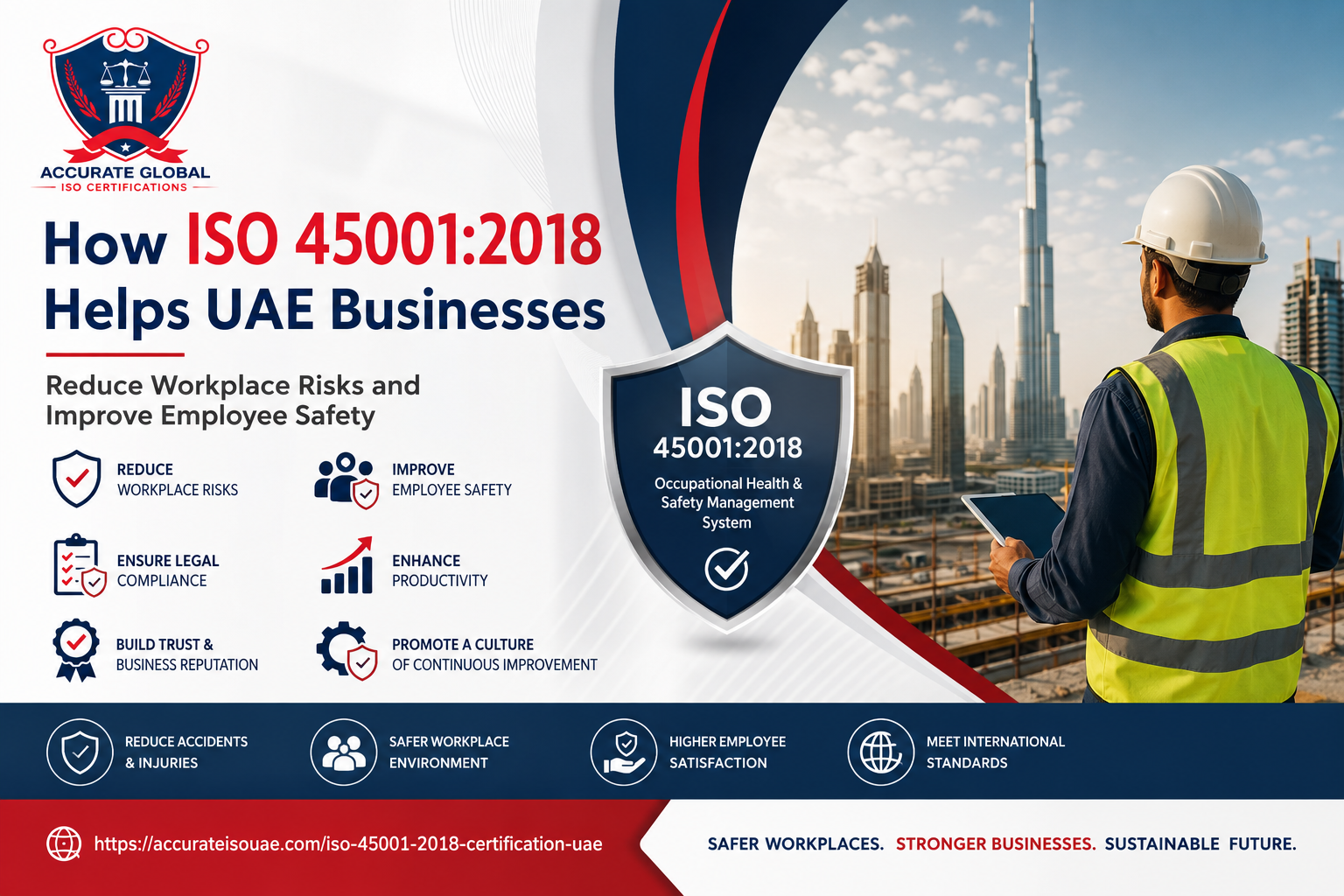
ISO 45001 – Occupational Health and Safety Management System
ISO 45001 ensures a safer workplace for healthcare professionals, reducing workplace injuries and health risks.
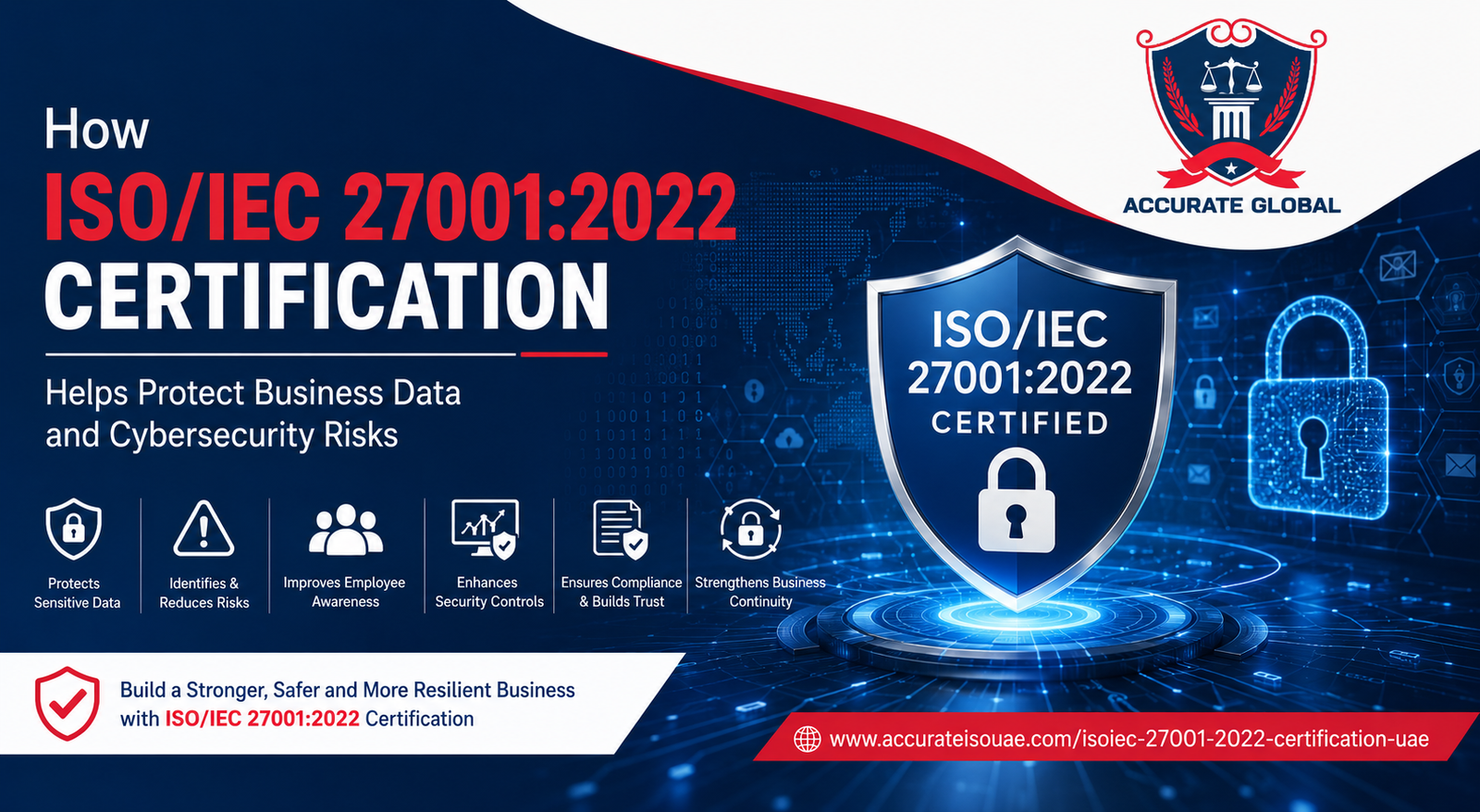
ISO 27001 – Information Security Management System
Healthcare organizations handle sensitive patient data daily. ISO 27001 helps protect confidential medical information and strengthens cybersecurity measures.
ISO 15189 – Medical Laboratories
This standard is specifically designed for medical laboratories and focuses on quality and competence in laboratory testing services.
Why Healthcare Organizations in Dubai Need ISO Certification
Dubai's healthcare industry operates under strict regulations and high patient expectations. Implementing ISO Certification for Healthcare offers several advantages that help organizations meet these demands.
Improved Patient Safety
Patient safety is a top priority in every healthcare facility. ISO standards establish structured procedures that reduce medical errors, improve treatment consistency, and enhance patient care quality.
Regulatory Compliance
Healthcare organizations must comply with requirements from local authorities and healthcare regulators. ISO certification helps maintain compliance through documented processes and continuous monitoring.
Enhanced Patient Satisfaction
Patients are more likely to trust healthcare providers that demonstrate commitment to quality and international standards. ISO-certified organizations often achieve higher patient satisfaction levels.
Better Risk Management
Healthcare environments involve numerous risks, including clinical, operational, and information security risks. ISO standards provide a framework for identifying, assessing, and mitigating these risks effectively.
Increased Operational Efficiency
Standardized procedures eliminate inefficiencies, reduce duplication of work, and improve resource utilization, resulting in smoother operations and reduced costs.
Competitive Advantage
ISO certification differentiates healthcare organizations from competitors by demonstrating a commitment to quality, safety, and excellence.
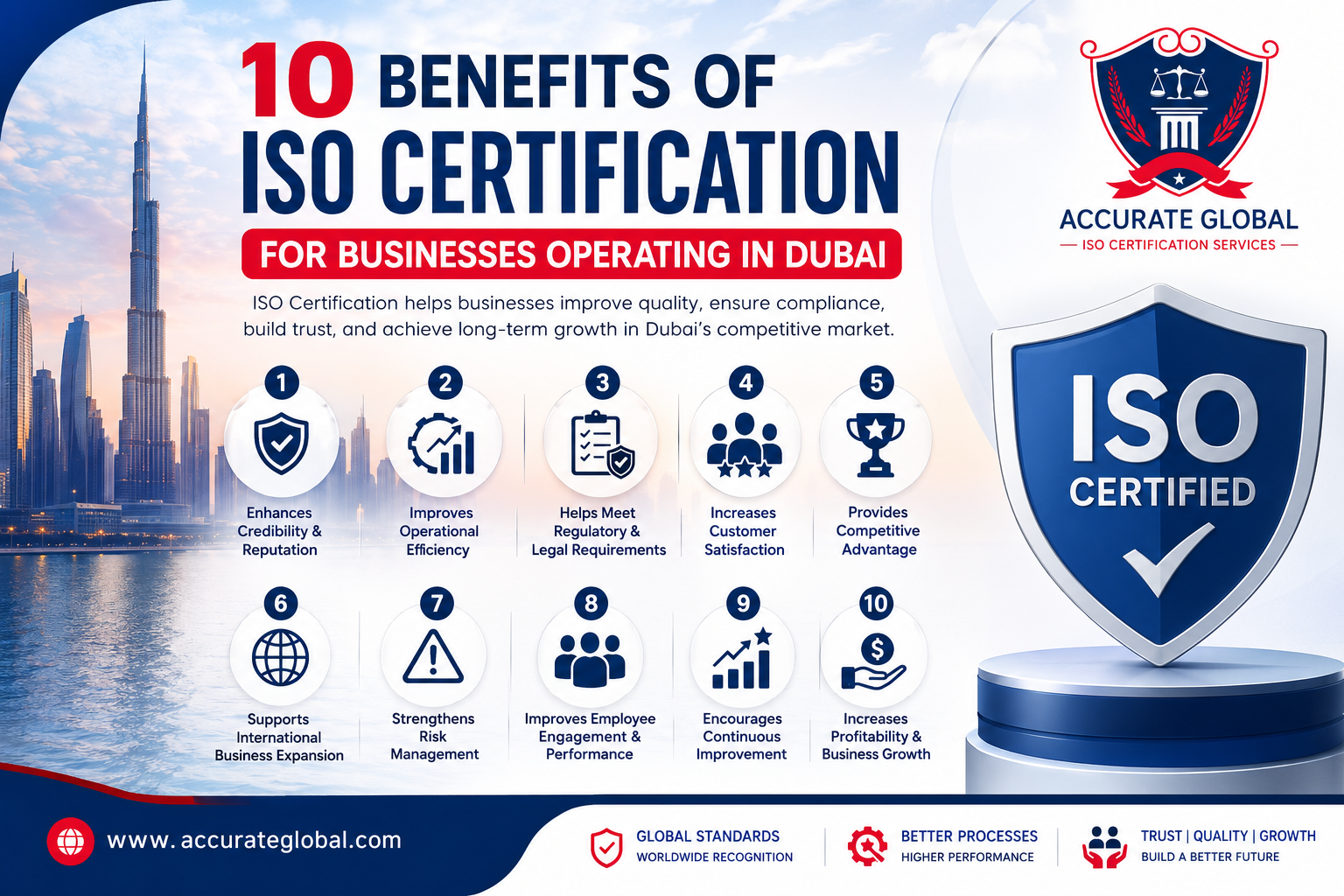
Key Benefits of ISO Certification for Healthcare Organizations
Strengthened Quality of Care
ISO standards promote evidence-based practices and continuous improvement, leading to better patient outcomes and higher service quality.
Improved Staff Performance
Clearly defined roles, responsibilities, and procedures help healthcare professionals perform their duties more effectively and consistently.
Enhanced Reputation
An ISO-certified healthcare facility is viewed as more reliable, professional, and trustworthy by patients, partners, and regulatory authorities.
Data Security Protection
With increasing digitalization in healthcare, protecting patient records is critical. ISO 27001 helps healthcare organizations establish robust information security controls.
Reduced Errors and Complaints
Documented processes and regular audits help identify issues before they become major problems, reducing patient complaints and operational disruptions.
Continuous Improvement Culture
ISO certification encourages healthcare organizations to regularly review and improve their processes, ensuring long-term success and sustainability.
ISO Certification Process for Healthcare Organizations in Dubai
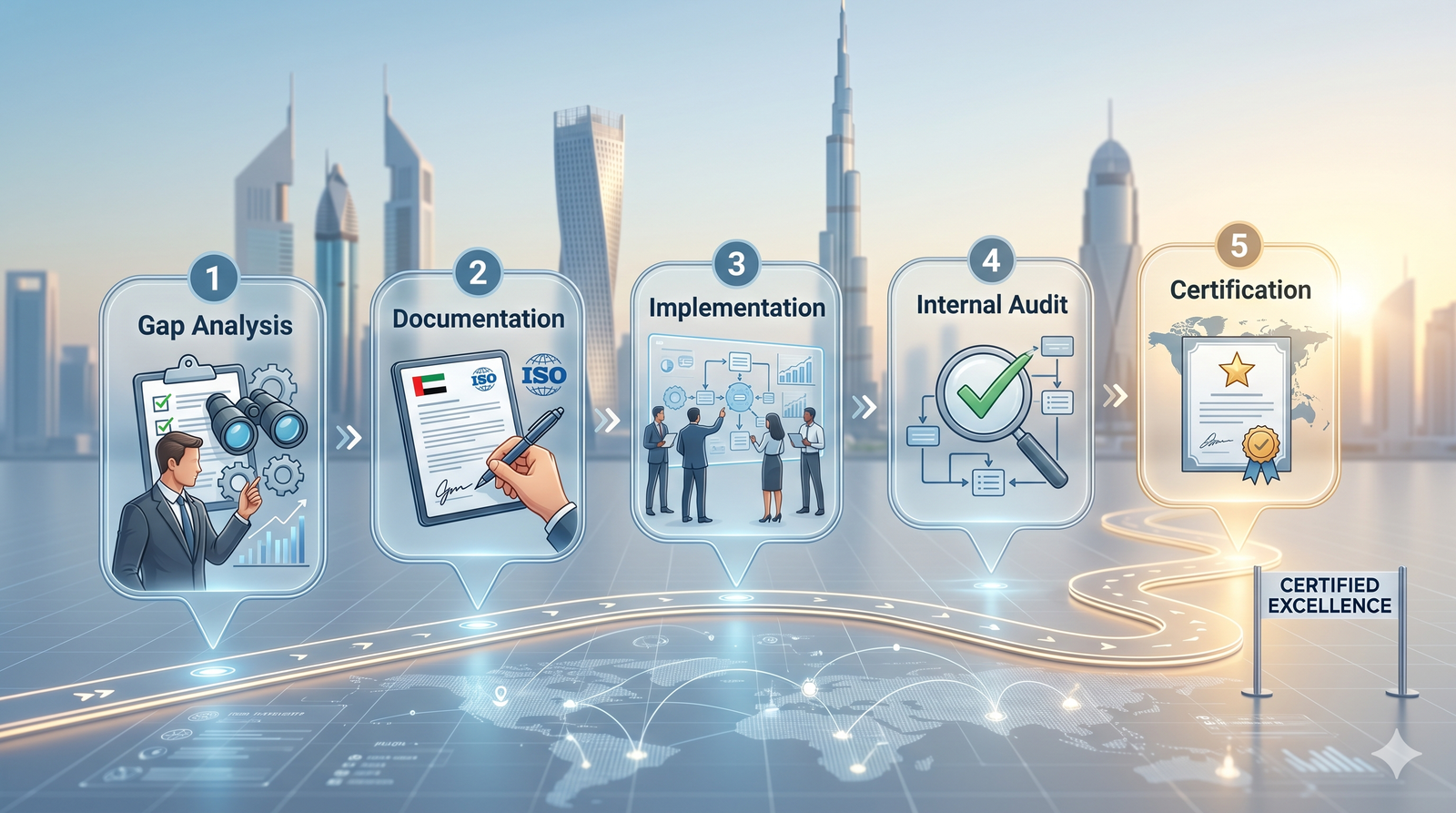
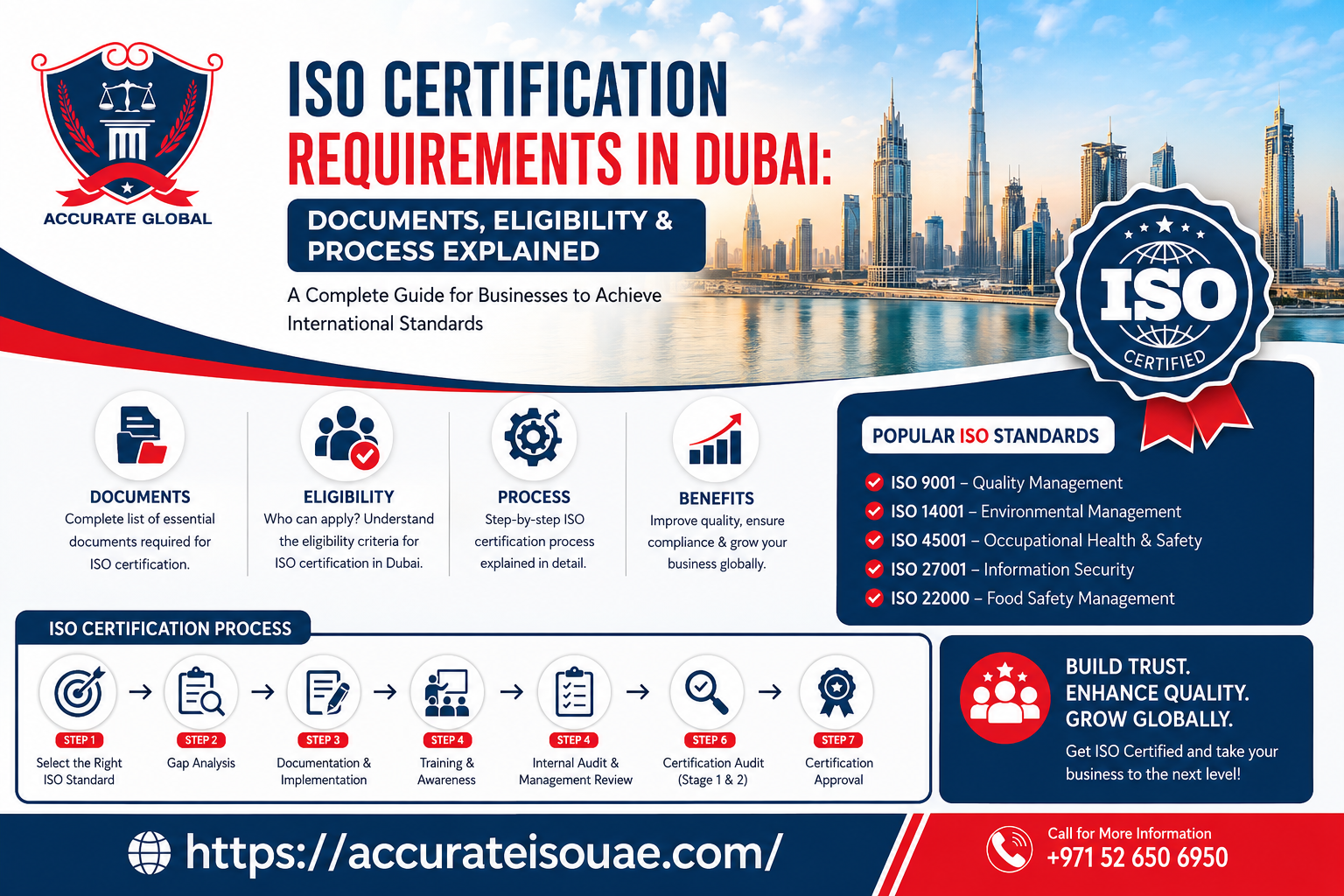
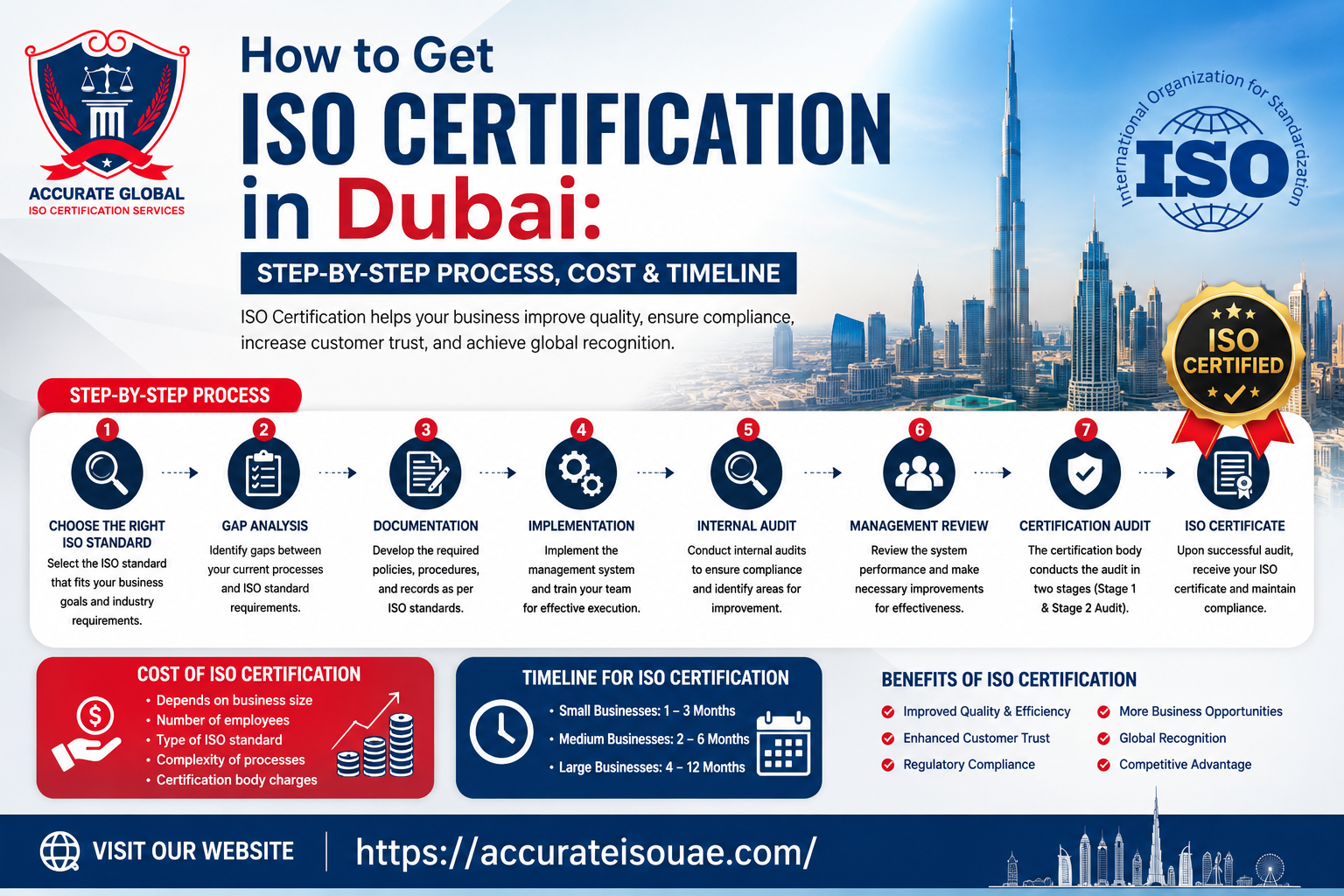
Obtaining ISO Certification for Healthcare involves several structured steps:
1. Gap Analysis
The first step is assessing the organization's current systems and identifying areas that need improvement to meet ISO requirements.
2. Planning and Documentation
Healthcare organizations develop policies, procedures, manuals, and operational documents aligned with the chosen ISO standard.
3. Employee Training
Staff members receive training on ISO requirements, quality objectives, and their responsibilities within the management system.
4. System Implementation
The documented management system is implemented across departments, ensuring processes are followed consistently.
5. Internal Audit
An internal audit evaluates whether the system is functioning effectively and identifies areas for corrective action.
6. Management Review
Leadership reviews audit findings, performance metrics, and improvement opportunities before proceeding to certification.
7. Certification Audit
An accredited certification body conducts an independent audit to verify compliance with ISO requirements.
8. Certification Issuance
Once the organization successfully passes the audit, it receives the ISO certificate.
9. Surveillance Audits
Periodic audits are conducted to ensure continued compliance and ongoing improvement.
Documents Required for ISO Certification
Healthcare organizations typically need the following documentation:
- Quality policy and objectives
- Organizational structure
- Standard operating procedures (SOPs)
- Risk assessment reports
- Patient care procedures
- Staff training records
- Internal audit reports
- Corrective action records
- Management review reports
- Information security policies (for ISO 27001)
Proper documentation plays a critical role in achieving successful certification.
Challenges Healthcare Organizations May Face
While the benefits are significant, some healthcare providers encounter challenges during implementation:
Employee Resistance
Staff may initially resist process changes. Effective communication and training can help overcome this challenge.
Documentation Requirements
Maintaining comprehensive documentation can be time-consuming but is essential for compliance.
Resource Allocation
Organizations may need dedicated resources to manage implementation and ongoing maintenance of the management system.
Continuous Compliance
ISO certification is not a one-time achievement; organizations must continuously monitor and improve their systems.
Choosing the Right ISO Certification Consultant in Dubai
Selecting an experienced consultant can simplify the certification process. When evaluating consultants, consider:
- Experience in healthcare sector certifications
- Knowledge of Dubai healthcare regulations
- Proven implementation track record
- Customized solutions for healthcare facilities
- Ongoing support and training services
A qualified consultant can help healthcare organizations achieve certification efficiently while minimizing operational disruptions.
Conclusion
As Dubai continues to strengthen its position as a global healthcare hub, maintaining high standards of quality, safety, and patient care is more important than ever. ISO Certification for Healthcare organizations provides a structured framework for achieving operational excellence, regulatory compliance, and continuous improvement.
Whether you operate a hospital, clinic, diagnostic center, laboratory, or healthcare support service, ISO certification can enhance patient trust, improve organizational performance, and create a competitive advantage in the healthcare market. By investing in ISO standards, healthcare organizations in Dubai can demonstrate their commitment to delivering safe, reliable, and high-quality healthcare services while ensuring long-term growth and success.

.png)

.png)

.png)
.png)
.png)
.png)
.png)