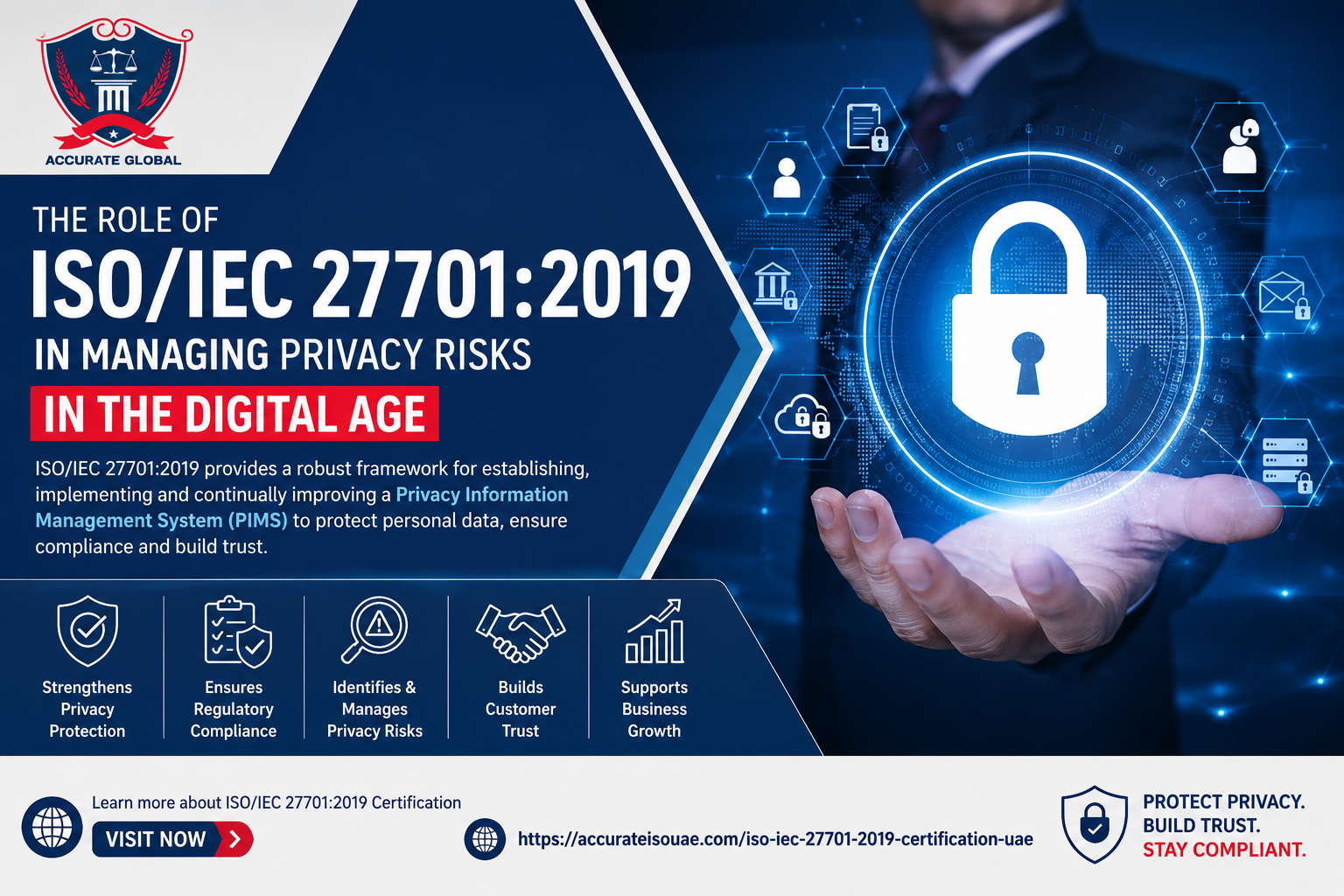
The Role of ISO/IEC 27701:2019 in Managing Privacy Risks in the Digital Age
In today's digital age, organizations collect, process, and store vast amounts of personal data. While digital transformation offers numerous business opportunities, it also increases privacy risks, including data breaches, unauthorized access, identity theft, and regulatory penalties. As privacy concerns continue to grow, organizations need a structured approach to manage and protect personal information effectively.
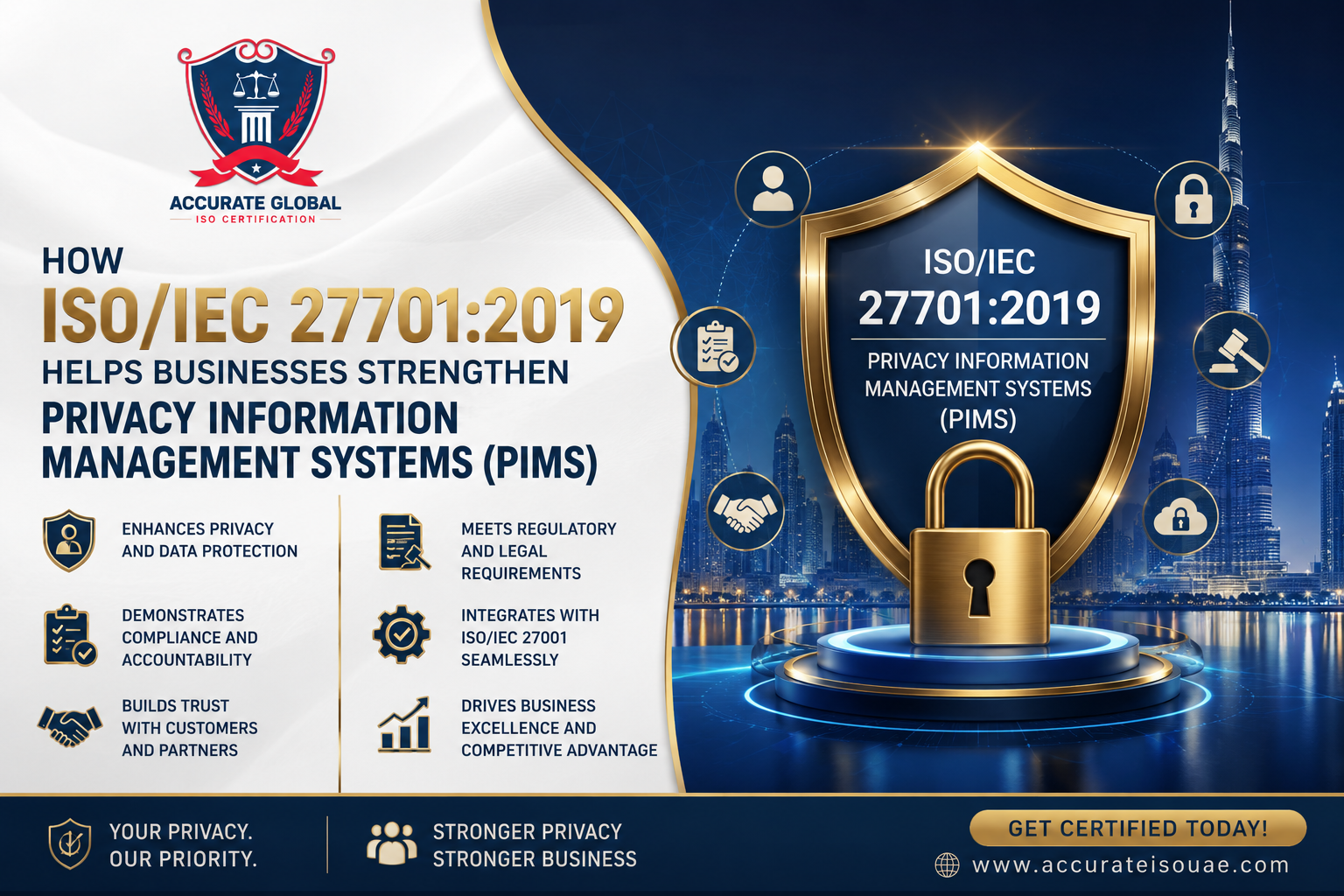
This is where ISO/IEC 27701:2019 certification Privacy Information Management System plays a critical role. Designed as an extension to ISO/IEC 27001 and ISO/IEC 27002, ISO/IEC 27701:2019 provides organizations with a comprehensive framework for establishing, implementing, maintaining, and continually improving a Privacy Information Management System (PIMS). It helps businesses manage privacy risks, demonstrate accountability, and comply with global privacy regulations.
Understanding ISO/IEC 27701:2019
ISO/IEC 27701:2019 is an international standard that focuses on privacy information management. It provides guidance for organizations acting as data controllers or data processors to effectively manage personally identifiable information (PII).
The standard extends information security management practices by integrating privacy controls into existing management systems. Through ISO/IEC 27701:2019 certification Privacy Information Management System, organizations can strengthen privacy governance while enhancing customer trust and regulatory compliance.
Why Privacy Risk Management Is Important
The digital landscape has significantly increased the amount of personal information shared online. Organizations handle sensitive customer, employee, supplier, and stakeholder data daily. Without proper controls, privacy incidents can result in:
- Financial losses
- Regulatory fines and penalties
- Legal liabilities
- Operational disruptions
- Reputational damage
- Loss of customer trust
Privacy risk management enables organizations to identify, assess, and mitigate threats that could compromise personal information. Implementing an effective Privacy Information Management System helps businesses proactively address these challenges before they become major incidents.
How ISO/IEC 27701:2019 Helps Manage Privacy Risks
1. Establishes a Structured Privacy Framework
One of the primary benefits of ISO/IEC 27701:2019 certification Privacy Information Management System is the establishment of a structured framework for managing privacy-related activities.
The standard defines clear roles, responsibilities, policies, and procedures for handling personal data. This systematic approach helps organizations consistently manage privacy risks across all departments and business functions.
2. Enhances Data Protection Practices
Organizations must ensure that personal data is collected, processed, stored, and disposed of securely. ISO/IEC 27701:2019 provides privacy controls that help organizations implement effective safeguards for personal information.
These controls include:
- Access management
- Data minimization
- Secure data processing
- Information classification
- Data retention and disposal procedures
By strengthening data protection practices, organizations reduce the likelihood of privacy breaches and unauthorized disclosures.
3. Supports Regulatory Compliance
Privacy regulations continue to evolve worldwide. Compliance requirements such as the General Data Protection Regulation (GDPR) and other data protection laws place significant responsibilities on organizations.
The ISO/IEC 27701:2019 certification Privacy Information Management System helps organizations align their privacy management practices with international regulatory expectations. It demonstrates a commitment to protecting personal information and maintaining compliance with applicable privacy laws.
4. Improves Risk Identification and Assessment
Effective privacy risk management begins with understanding potential threats and vulnerabilities.
ISO/IEC 27701:2019 encourages organizations to conduct regular privacy risk assessments to identify:
- Data processing risks
- Third-party privacy risks
- Technology-related vulnerabilities
- Compliance gaps
- Human error risks
This proactive approach enables organizations to implement appropriate controls and reduce the impact of privacy-related incidents.
5. Strengthens Third-Party Privacy Management
Modern organizations often rely on vendors, contractors, cloud providers, and business partners to process personal information.
Third-party relationships can introduce significant privacy risks if not properly managed. ISO/IEC 27701:2019 provides guidance for evaluating and monitoring third-party privacy practices, ensuring that external parties maintain appropriate safeguards for personal data.
This helps organizations minimize supply chain privacy risks and maintain accountability throughout the data processing lifecycle.
Building Customer Trust Through Privacy Protection
Consumers today are increasingly concerned about how organizations collect and use their personal information. Businesses that fail to protect customer data may experience declining trust and customer loyalty.
Implementing an ISO/IEC 27701:2019 certification Privacy Information Management System demonstrates that an organization takes privacy seriously. Certification provides independent verification that privacy management practices meet internationally recognized standards.
As a result, organizations can:
- Improve customer confidence
- Enhance brand reputation
- Strengthen stakeholder relationships
- Gain a competitive advantage in the marketplace
Trust has become a valuable business asset, and strong privacy management practices contribute directly to long-term business success.
Supporting Digital Transformation Initiatives
Digital transformation often involves technologies such as cloud computing, artificial intelligence, big data analytics, and remote work solutions. While these technologies improve efficiency and innovation, they also create new privacy challenges.
ISO/IEC 27701:2019 helps organizations integrate privacy considerations into digital transformation projects from the beginning. This privacy-by-design approach ensures that privacy risks are identified and managed throughout the lifecycle of digital initiatives.
Organizations can innovate with confidence while maintaining compliance and protecting sensitive information.
Continuous Improvement in Privacy Management
Privacy threats and regulatory requirements are constantly changing. Organizations need a privacy management system that evolves with these changes.
The ISO/IEC 27701:2019 certification Privacy Information Management System promotes continual improvement through:
- Regular audits
- Performance monitoring
- Risk reviews
- Corrective actions
- Management reviews
This ongoing process ensures that privacy controls remain effective and aligned with business objectives and regulatory expectations.
Conclusion
As organizations become increasingly dependent on digital technologies, privacy risk management has become a critical business priority. Protecting personal information is no longer just a compliance requirement—it is essential for maintaining customer trust, safeguarding reputation, and supporting sustainable growth.
The ISO/IEC 27701:2019 certification Privacy Information Management System provides organizations with a globally recognized framework for managing privacy risks, strengthening data protection practices, and demonstrating accountability. By implementing ISO/IEC 27701:2019, businesses can confidently navigate the challenges of the digital age while ensuring the privacy and security of personal information.
Organizations that invest in privacy management today will be better positioned to build trust, achieve compliance, and succeed in an increasingly data-driven world.



.png)

.png)


.png)
.png)




.png)

.png)
.png)