How ISO 42001:2023 Artificial Intelligence Management System (AIMS) Certification Helps Organizations Manage AI Responsibly
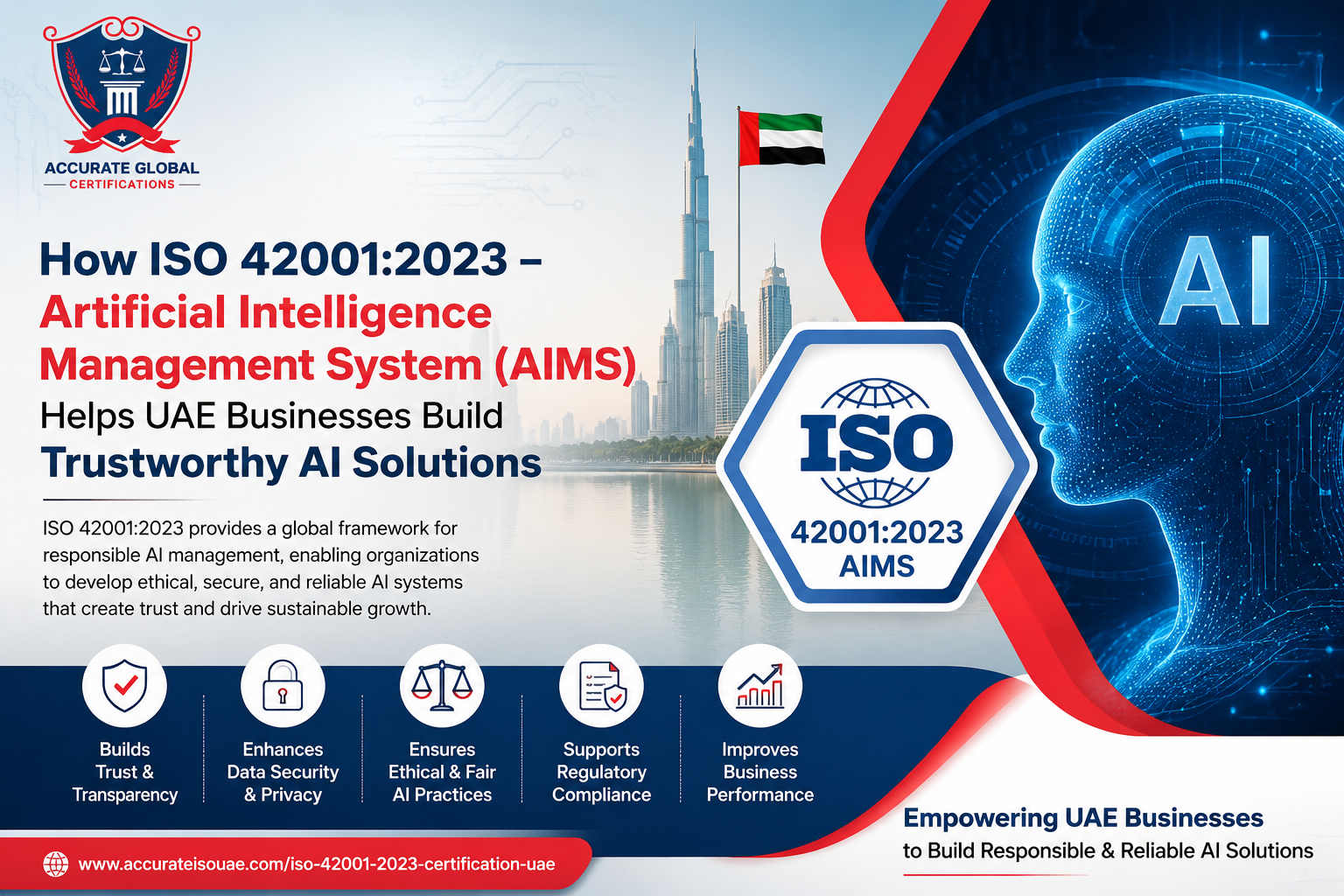
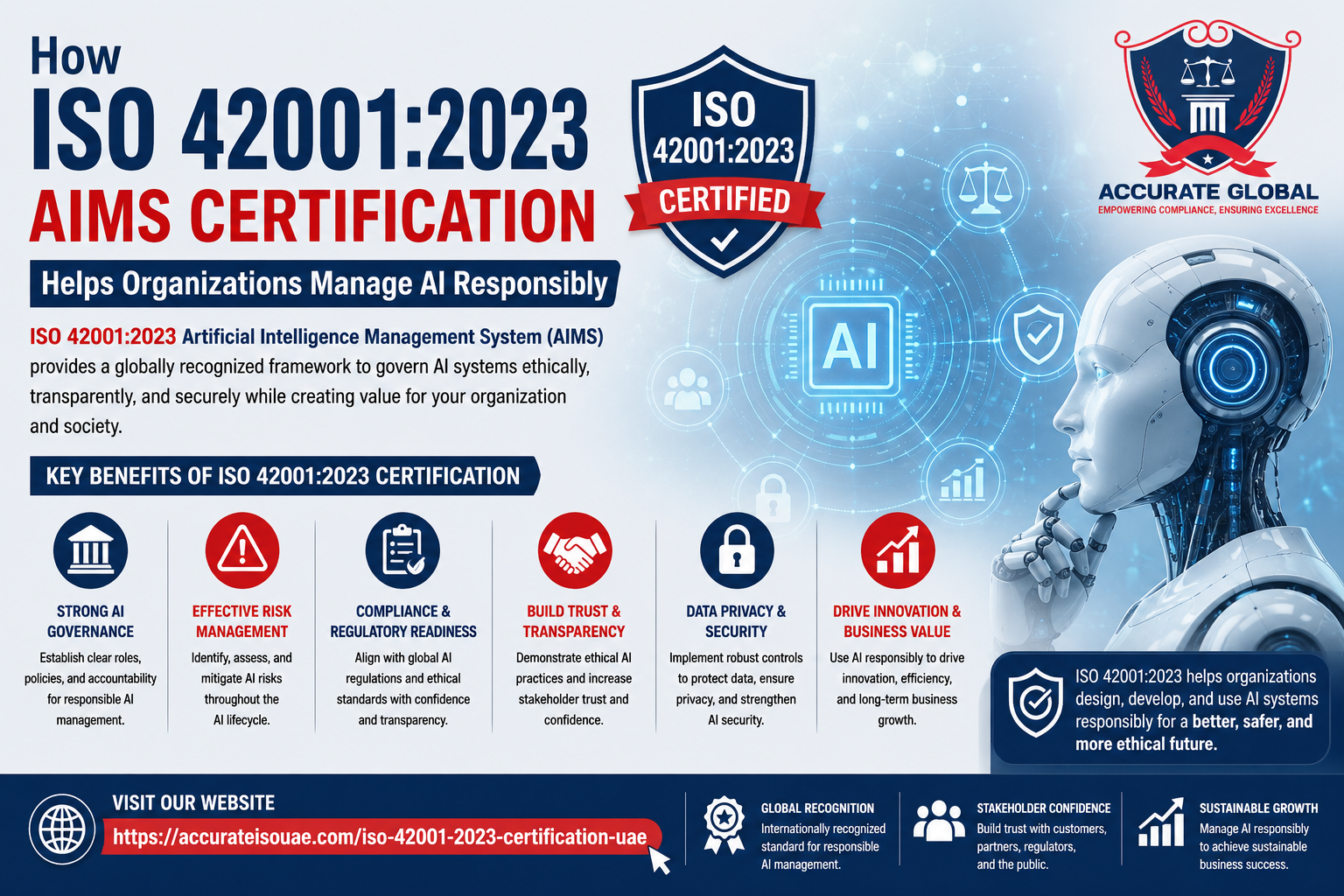
Artificial Intelligence (AI) is transforming industries worldwide by improving efficiency, enabling innovation, and enhancing decision-making processes. However, as AI adoption continues to grow, organizations face increasing challenges related to ethics, transparency, accountability, security, and regulatory compliance. To address these concerns, the International Organization for Standardization (ISO) introduced ISO 42001:2023 Artificial Intelligence Management System (AIMS), the world's first international standard specifically designed for AI management.
Understanding how ISO 42001:2023 Artificial Intelligence Management System certification helps organizations manage AI responsibly is essential for businesses seeking to maximize the benefits of AI while minimizing risks and maintaining stakeholder trust.
What Is ISO 42001:2023 Artificial Intelligence Management System (AIMS)?
ISO 42001:2023 is an internationally recognized standard that provides a structured framework for establishing, implementing, maintaining, and continually improving an Artificial Intelligence Management System (AIMS). The standard is designed for organizations that develop, provide, or use AI-based products and services.
The primary objective of ISO 42001 is to ensure that AI systems are managed responsibly throughout their lifecycle. It helps organizations address AI-related risks while promoting transparency, fairness, accountability, and ethical decision-making.
As governments and regulatory bodies worldwide introduce new AI regulations, ISO 42001 offers organizations a practical framework for demonstrating responsible AI governance and compliance.
Why Responsible AI Management Matters
AI technologies offer significant opportunities, but they also introduce risks that can impact individuals, organizations, and society. These risks include biased decision-making, data privacy concerns, cybersecurity threats, lack of transparency, and ethical challenges.
Without proper governance, AI systems can create unintended consequences that damage reputations, reduce customer trust, and expose organizations to legal and regulatory risks.
The ISO 42001:2023 Artificial Intelligence Management System provides a systematic approach to identifying, assessing, and managing these risks while ensuring AI technologies are used responsibly and effectively.
How ISO 42001:2023 Artificial Intelligence Management System Supports Responsible AI
Establishes Strong AI Governance
One of the key benefits of ISO 42001 certification is the establishment of a comprehensive AI governance framework. The standard requires organizations to define roles, responsibilities, and accountability structures related to AI systems.
Strong governance ensures that AI-related decisions are made responsibly and aligned with organizational objectives, ethical principles, and regulatory requirements.
By implementing effective governance processes, organizations can maintain greater control over AI development, deployment, and monitoring activities.
Promotes Transparency and Accountability
Transparency is a critical component of responsible AI management. Stakeholders increasingly expect organizations to explain how AI systems make decisions and how those decisions affect individuals and businesses.
ISO 42001 encourages organizations to document AI processes, decision-making criteria, and system performance. This transparency improves accountability and enables stakeholders to better understand AI outcomes.
Clear documentation also supports regulatory compliance and facilitates internal audits and external assessments.
Enhances Risk Management
AI systems can introduce unique risks that traditional management systems may not fully address. ISO 42001 requires organizations to identify AI-specific risks and implement appropriate controls to mitigate them.
Risk assessments consider factors such as algorithm bias, data quality, cybersecurity vulnerabilities, privacy concerns, and potential societal impacts.
A proactive risk management approach helps organizations reduce the likelihood of AI-related failures and ensures that AI systems operate safely and reliably.
Improving Compliance with Emerging AI Regulations
Governments and regulatory authorities around the world are introducing new laws and guidelines to regulate AI technologies. Organizations must ensure that their AI systems comply with applicable legal and regulatory requirements.
Supporting Regulatory Readiness
The ISO 42001:2023 Artificial Intelligence Management System aligns with many emerging AI governance principles and compliance expectations. By implementing the standard, organizations can establish processes that support regulatory readiness and demonstrate responsible AI practices.
This proactive approach helps organizations adapt more effectively to evolving legal requirements and avoid potential compliance issues.
Strengthening Documentation and Evidence
ISO 42001 requires organizations to maintain documented information related to AI policies, objectives, risk assessments, controls, monitoring activities, and improvement initiatives.
Comprehensive documentation provides evidence of responsible AI management and can be valuable during regulatory reviews, audits, and stakeholder evaluations.
Building Trust with Customers and Stakeholders
Trust is one of the most important factors influencing the successful adoption of AI technologies. Customers, investors, regulators, employees, and business partners want assurance that AI systems are being managed ethically and responsibly.
Demonstrating Commitment to Ethical AI
Certification to ISO 42001 demonstrates that an organization has implemented internationally recognized best practices for AI governance and management.
This commitment enhances credibility and shows stakeholders that the organization takes AI ethics, transparency, and accountability seriously.
Improving Customer Confidence
Customers are more likely to engage with organizations that can demonstrate responsible AI practices. ISO 42001 helps build customer confidence by ensuring that AI systems operate fairly, consistently, and transparently.
Greater confidence can strengthen customer relationships and support long-term business growth.
Enhancing Business Reputation
Organizations that proactively manage AI risks and ethical considerations often gain a competitive advantage. Certification can enhance brand reputation and position organizations as leaders in responsible AI innovation.
A strong reputation for ethical AI management can attract customers, investors, and strategic business partners.
Additional Benefits of ISO 42001 Certification
Beyond responsible AI management, organizations can gain several additional advantages through ISO 42001 certification:
- Improved operational efficiency and decision-making.
- Better management of AI-related risks and opportunities.
- Enhanced data governance and security controls.
- Increased stakeholder confidence and trust.
- Stronger alignment with organizational objectives.
- Greater competitiveness in AI-driven markets.
- Continuous improvement of AI systems and processes.
These benefits help organizations maximize the value of AI technologies while maintaining ethical and regulatory standards.
Conclusion
As Artificial Intelligence becomes increasingly integrated into business operations, responsible AI management is no longer optional—it is essential. The ISO 42001:2023 Artificial Intelligence Management System provides organizations with a comprehensive framework for managing AI responsibly, reducing risks, improving compliance, and building stakeholder trust.
By implementing ISO 42001, organizations can establish strong governance structures, promote transparency, enhance accountability, and ensure ethical AI practices throughout the AI lifecycle. In an environment where trust, compliance, and responsible innovation are critical, ISO 42001 certification serves as a valuable tool for organizations seeking sustainable growth and long-term success in the age of Artificial Intelligence.




.png)

.png)


.png)
.png)










.png)

.png)
.png)