.png)
ISO Certification in Dubai: Common Mistakes Companies Should Avoid
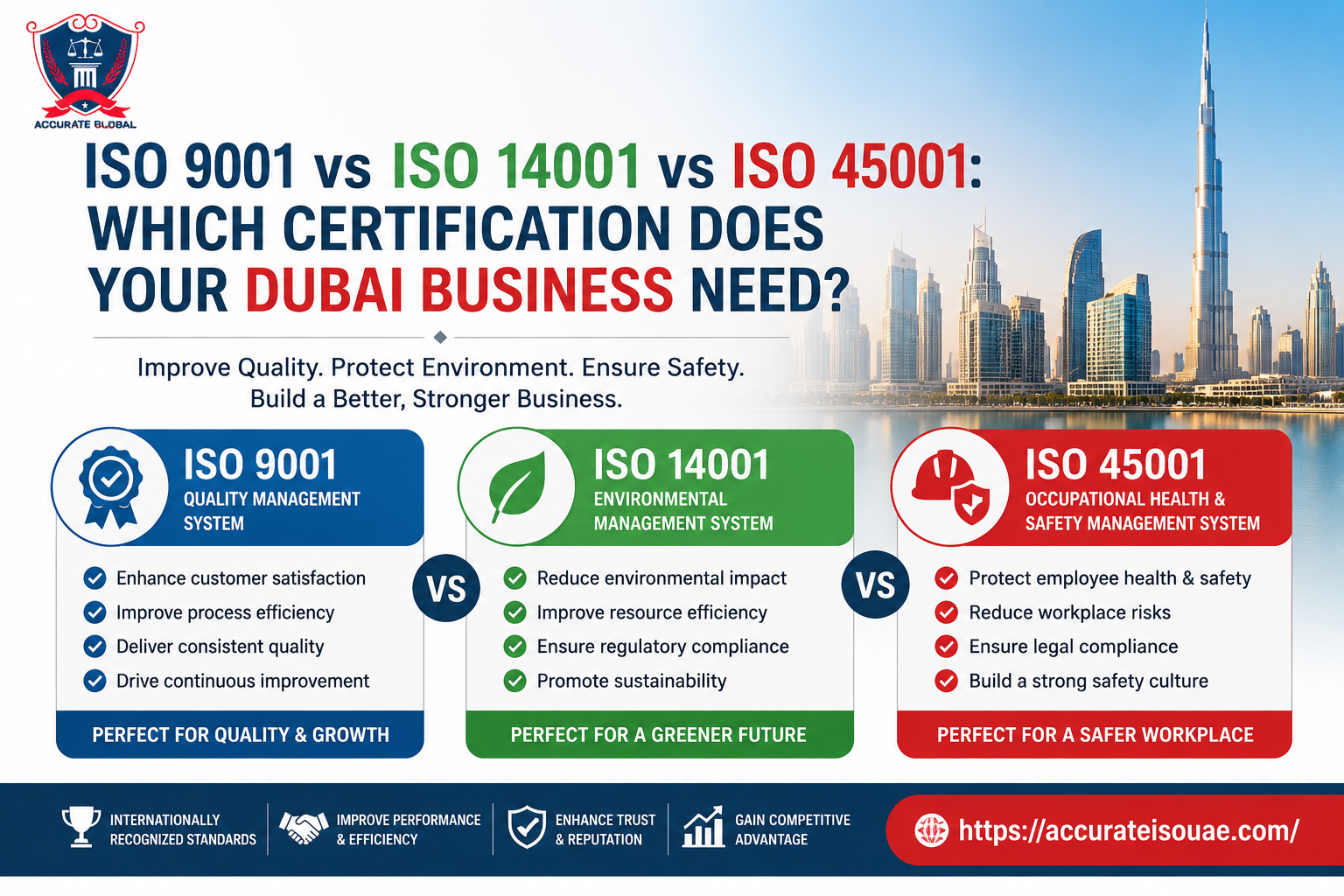
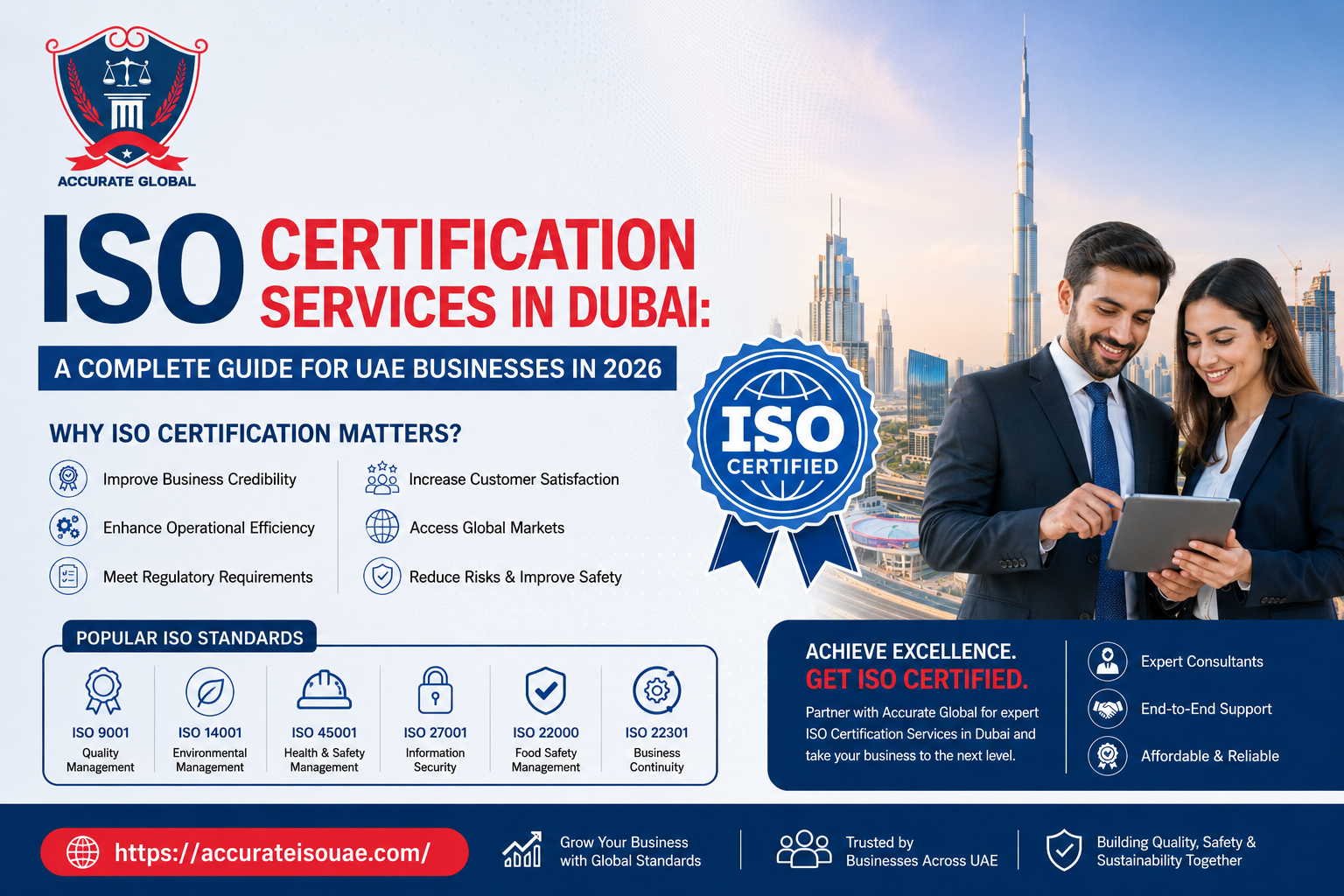
Obtaining ISO Certification in Dubai has become a strategic necessity for businesses looking to improve operational efficiency, enhance customer confidence, and meet regulatory requirements. Whether a company is pursuing ISO 9001 for quality management, ISO 14001 for environmental management, ISO 45001 for occupational health and safety, or ISO 27001 for information security, certification can significantly improve business performance and competitiveness.
However, many organizations make critical mistakes during the certification process that lead to delays, increased costs, audit failures, and missed business opportunities. Understanding these common pitfalls can help companies achieve certification smoothly and maximize the value of their investment.
In this article, we will explore the most common mistakes businesses make when pursuing ISO Certification in Dubai and how to avoid them.
1. Choosing the Wrong ISO Standard
One of the biggest mistakes organizations make is selecting an ISO standard without properly assessing their business needs.
For example:
- Manufacturing companies may require ISO 9001 and ISO 14001.
- IT companies often benefit from ISO 27001.
- Construction firms frequently need ISO 45001.
- Service organizations may prioritize ISO 9001 for quality management.
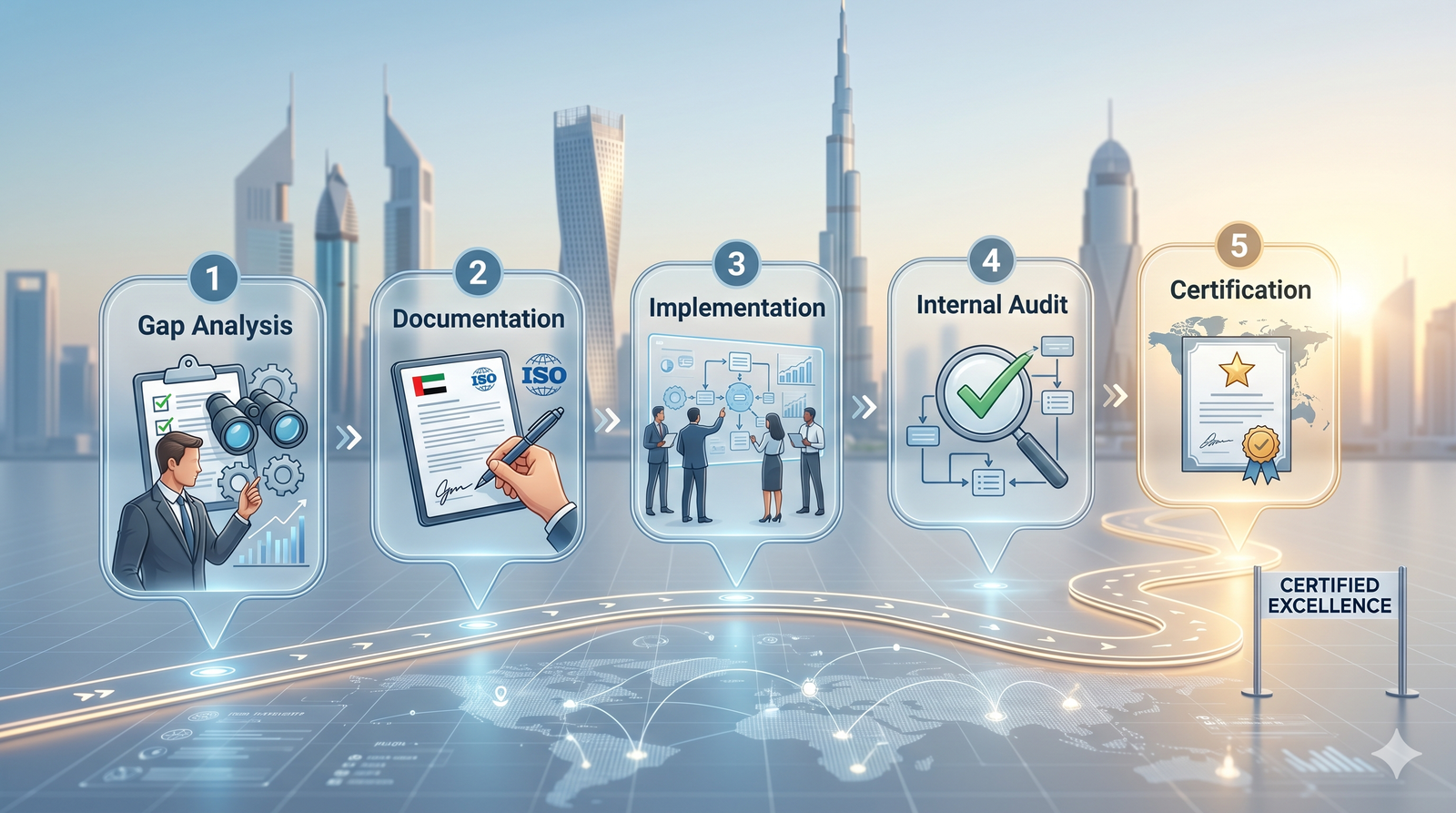
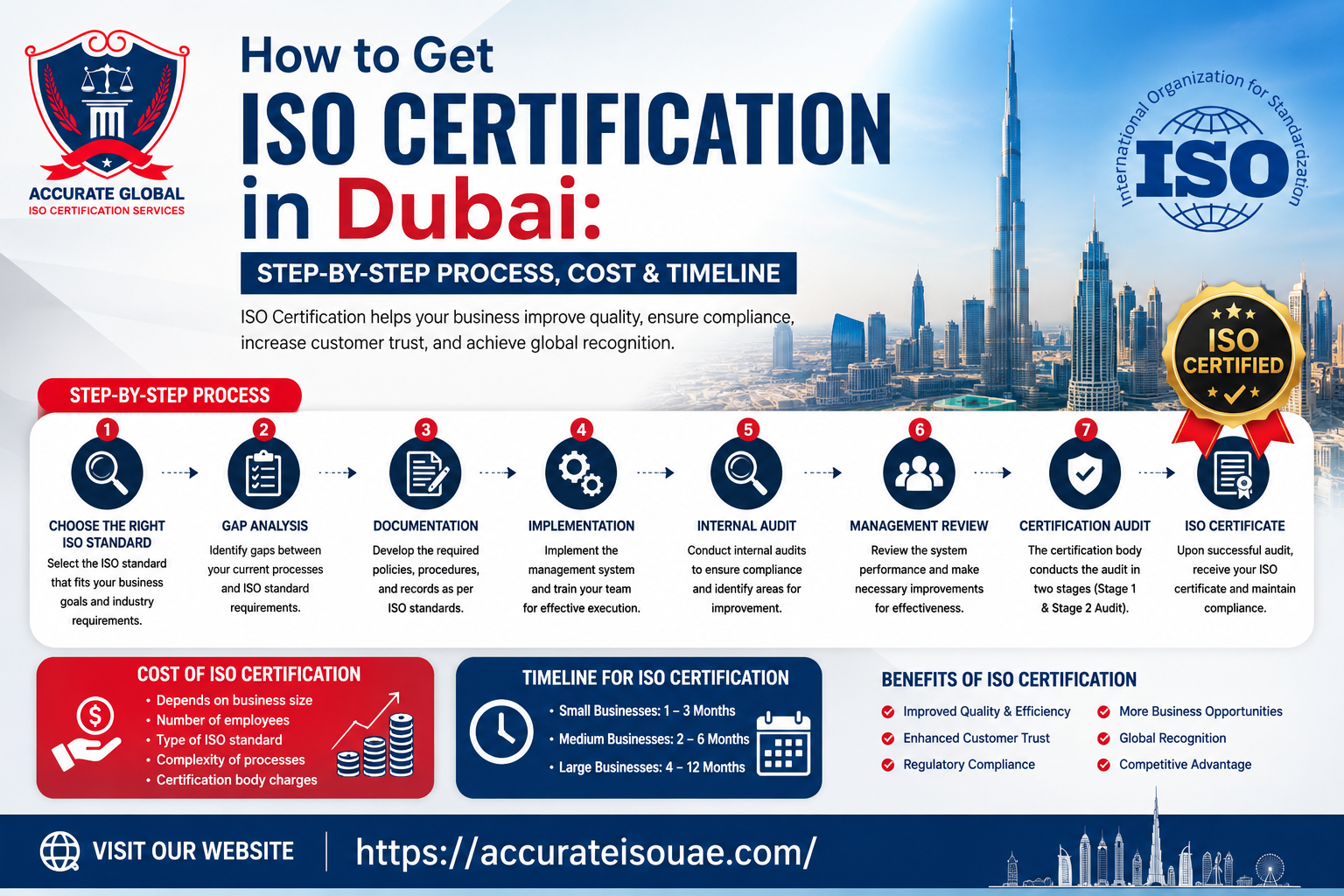
Implementing the wrong standard can waste time, resources, and money. Before starting the certification process, businesses should conduct a gap analysis and identify which standard aligns with their objectives, industry requirements, and customer expectations.
2. Treating ISO Certification as a One-Time Project
Many companies view ISO Certification in Dubai as merely a certificate to display rather than a management system that requires ongoing commitment.
ISO standards are designed to encourage continuous improvement. Organizations that focus only on passing the certification audit often struggle during surveillance and recertification audits.
To avoid this mistake:
- Integrate ISO requirements into daily operations.
- Monitor performance regularly.
- Conduct internal audits.
- Continuously improve processes.
Certification should be viewed as a long-term business improvement initiative rather than a short-term compliance exercise.
3. Lack of Top Management Involvement
ISO standards place significant emphasis on leadership commitment. Unfortunately, many organizations delegate the entire certification process to a quality manager or consultant without active involvement from senior management.
This can create several issues:
- Poor resource allocation.
- Lack of employee motivation.
- Weak implementation of policies.
- Ineffective decision-making.
Successful certification projects require management to actively participate in planning, reviewing objectives, approving policies, and promoting a culture of quality and compliance throughout the organization.
4. Poor Documentation Practices
Documentation plays a critical role in ISO management systems. Some companies either create excessive documentation or fail to maintain adequate records.
Common documentation mistakes include:
- Outdated procedures.
- Missing records.
- Inconsistent document control.
- Poor version management.
Organizations should establish a structured document control system that ensures all policies, procedures, forms, and records are current, accessible, and properly maintained.
Remember, documentation should support operational effectiveness rather than create unnecessary bureaucracy.
5. Ignoring Employee Training and Awareness
Employees are responsible for implementing ISO requirements on a daily basis. However, many businesses fail to provide sufficient training and awareness programs.
Without proper understanding, employees may:
- Ignore procedures.
- Create non-conformities.
- Fail audits.
- Resist changes.
Training should cover:
- ISO objectives.
- Employee responsibilities.
- Company procedures.
- Audit preparedness.
- Continuous improvement practices.
A well-informed workforce significantly improves the effectiveness of the management system.
6. Selecting an Inexperienced Consultant
Many businesses seek external support when pursuing ISO Certification in Dubai, but choosing the wrong consultant can lead to serious challenges.
Some consultants provide generic templates that do not reflect actual business operations. Others may lack industry-specific knowledge.
When selecting a consultant, consider:
- Industry experience.
- Previous certification projects.
- Client references.
- Understanding of local regulations.
- Practical implementation approach.
An experienced consultant helps organizations build an effective management system that adds real business value.
7. Failing to Conduct Internal Audits
Internal audits are essential for identifying weaknesses before the certification audit takes place.
Unfortunately, some companies:
- Skip internal audits entirely.
- Conduct superficial audits.
- Use untrained auditors.
This often results in unexpected findings during the certification audit.
Effective internal audits help organizations:
- Identify non-conformities.
- Verify compliance.
- Improve processes.
- Prepare employees for external audits.
Regular internal audits are a critical component of successful ISO implementation.
8. Rushing the Certification Process
Many organizations want to obtain ISO Certification in Dubai as quickly as possible to meet tender requirements or customer demands.
While speed may be important, rushing implementation often leads to:
- Incomplete procedures.
- Insufficient employee training.
- Poor documentation.
- Audit failures.
Companies should allocate adequate time for:
- Planning.
- Gap analysis.
- Documentation development.
- Staff training.
- Internal audits.
- Management reviews.
A well-planned approach generally produces better long-term results than a rushed certification project.
9. Neglecting Risk Management
Modern ISO standards emphasize risk-based thinking. Yet many organizations fail to properly identify and address risks that could impact business objectives.
Examples of risks include:
- Cybersecurity threats.
- Supplier disruptions.
- Workplace accidents.
- Environmental incidents.
- Regulatory non-compliance.
Organizations should establish a systematic risk assessment process and implement controls to minimize potential impacts.
Effective risk management strengthens business resilience and supports long-term success.
10. Choosing a Certification Body Based Only on Price
Cost is an important consideration, but selecting a certification body solely based on the lowest price can be a costly mistake.
A reputable certification body should provide:
- International recognition.
- Qualified auditors.
- Transparent audit processes.
- Professional support.
Working with an accredited certification body ensures the credibility and acceptance of your ISO certificate among customers, regulators, and business partners.
11. Ignoring Continuous Improvement Requirements
Continuous improvement is a fundamental principle of ISO standards.
Some companies stop improving their management system immediately after certification. As a result, they face difficulties during surveillance audits and fail to achieve the full benefits of certification.
Continuous improvement activities should include:
- Monitoring key performance indicators (KPIs).
- Reviewing customer feedback.
- Conducting corrective actions.
- Analyzing audit findings.
- Improving operational efficiency.
Organizations that embrace continuous improvement often experience higher productivity, better customer satisfaction, and stronger business performance.
Benefits of Avoiding These Common Mistakes
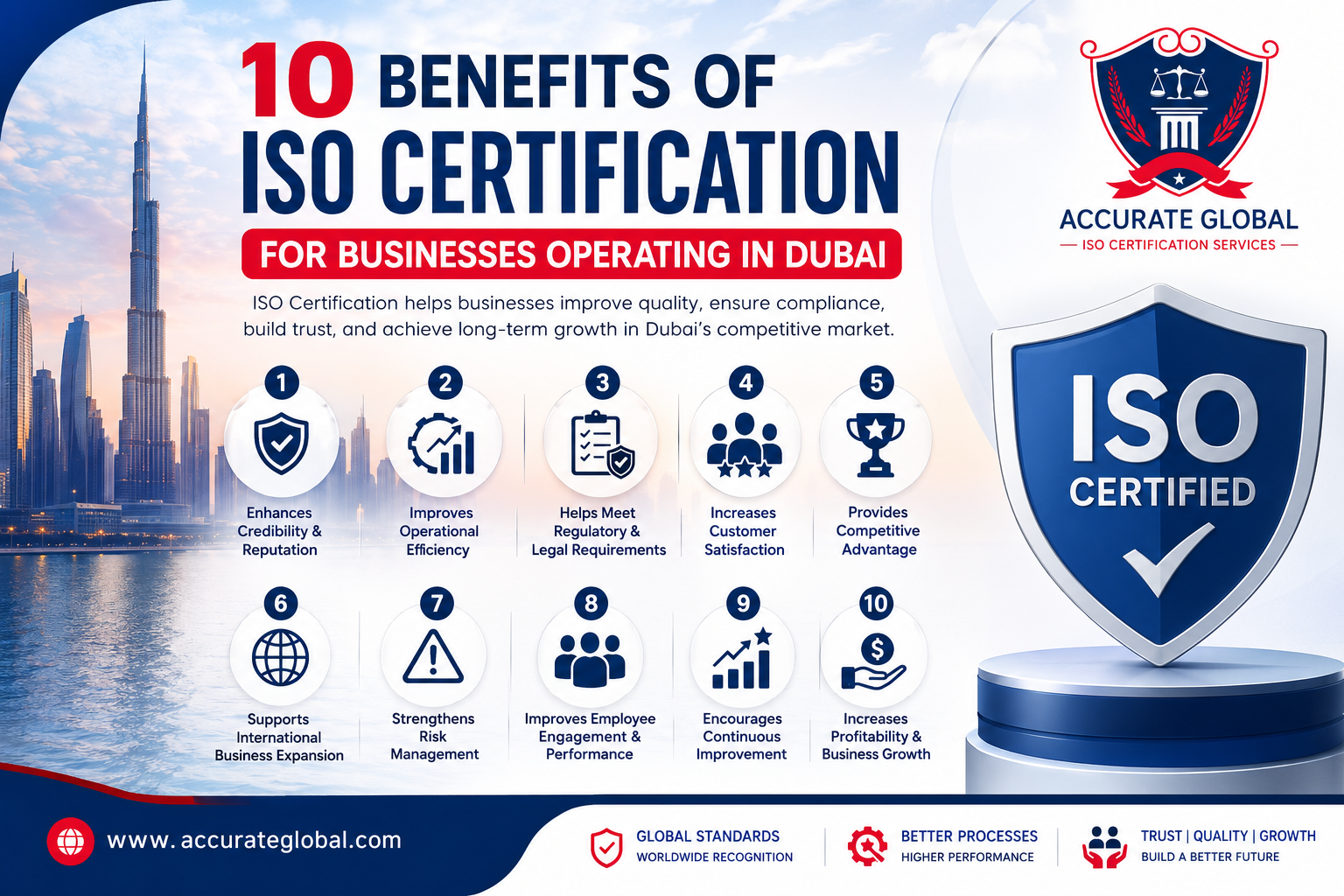
By avoiding these common errors, businesses can gain maximum value from ISO Certification in Dubai, including:
- Improved operational efficiency.
- Enhanced customer trust.
- Better regulatory compliance.
- Increased employee engagement.
- Reduced business risks.
- Higher profitability.
- Greater competitive advantage.
- Improved tender eligibility.
- Stronger international market recognition.
A properly implemented ISO management system becomes a powerful tool for sustainable growth and business excellence.
Conclusion
Achieving ISO Certification in Dubai can provide significant benefits for organizations across all industries. However, the certification journey requires careful planning, leadership commitment, employee involvement, and continuous improvement.
Common mistakes such as choosing the wrong standard, neglecting employee training, poor documentation, inadequate risk management, and rushing the implementation process can undermine certification efforts and reduce business benefits.
By understanding and avoiding these pitfalls, companies can achieve successful certification, improve operational performance, and strengthen their reputation in Dubai's highly competitive business environment.
Organizations that treat ISO certification as a strategic business investment rather than a compliance requirement are far more likely to achieve long-term success and sustainable growth.


.png)
.png)

.png)
.png)
.png)
.png)