.png)
What Is the Cost of ISO Certification Services in Dubai? Factors That Affect Pricing
Businesses across the UAE are increasingly adopting international standards to improve quality, customer satisfaction, and operational efficiency. As a result, demand for ISO Certification Services in Dubai has grown significantly among startups, SMEs, and large enterprises. Whether a company is seeking ISO 9001 for quality management, ISO 14001 for environmental management, or ISO 45001 for occupational health and safety, one of the most common questions is: How much does ISO certification cost in Dubai?
The answer depends on several factors, including the size of the organization, the type of ISO standard, business complexity, and certification requirements. Understanding these factors can help businesses plan their budgets and choose the right certification partner.
In this guide, we will explain the typical costs associated with ISO certification and the key factors that influence pricing in Dubai.
Understanding ISO Certification Costs in Dubai
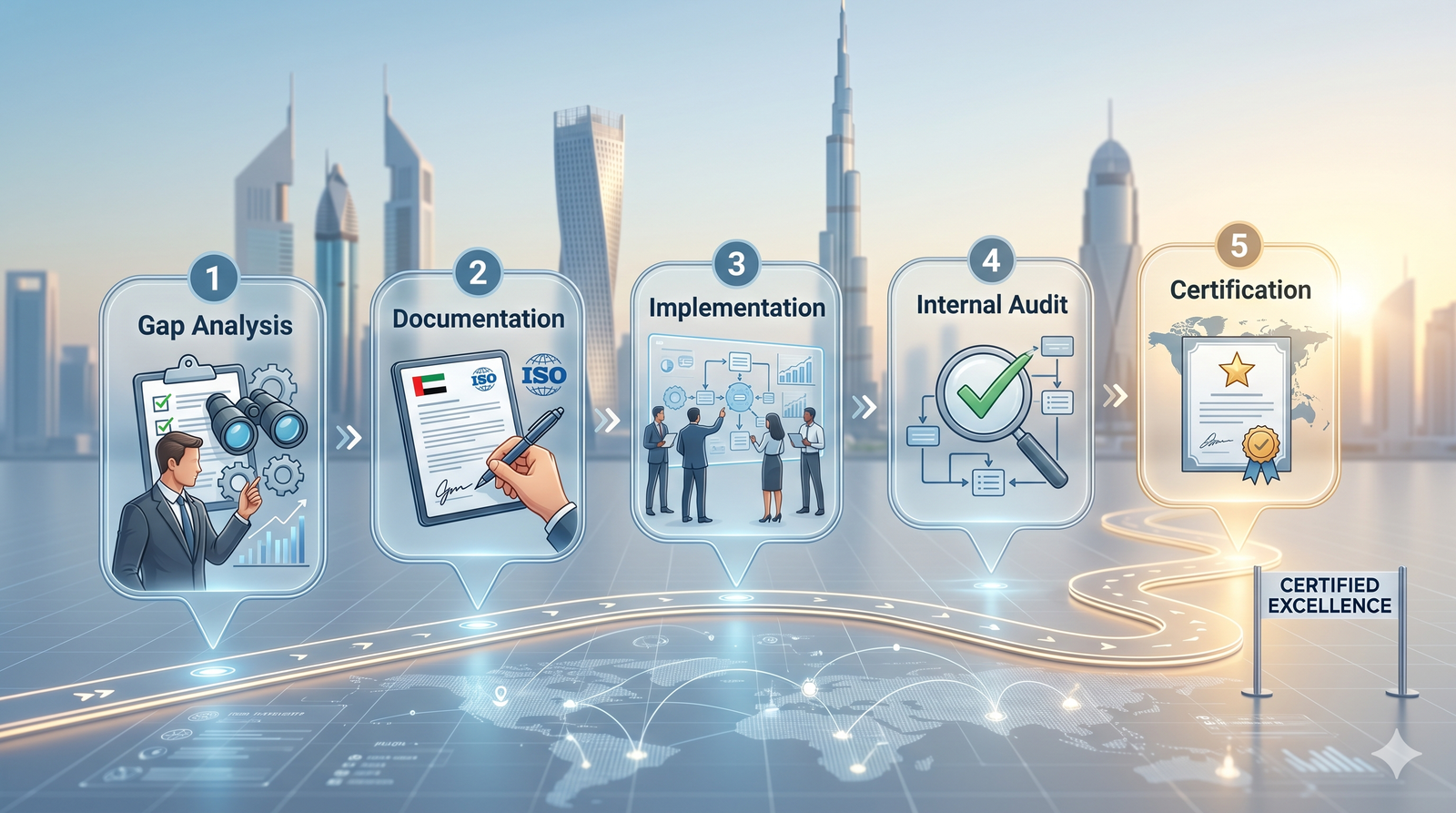
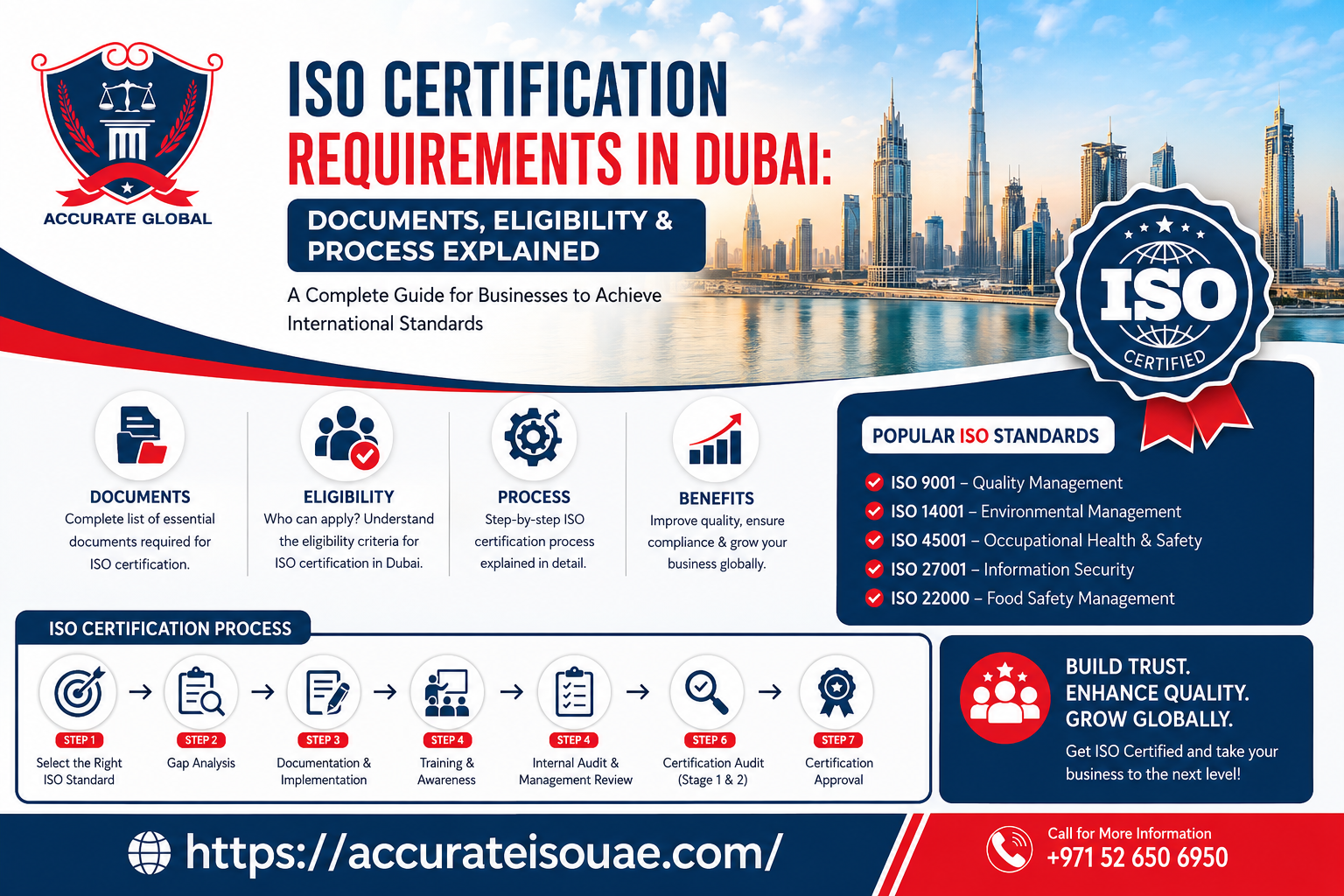
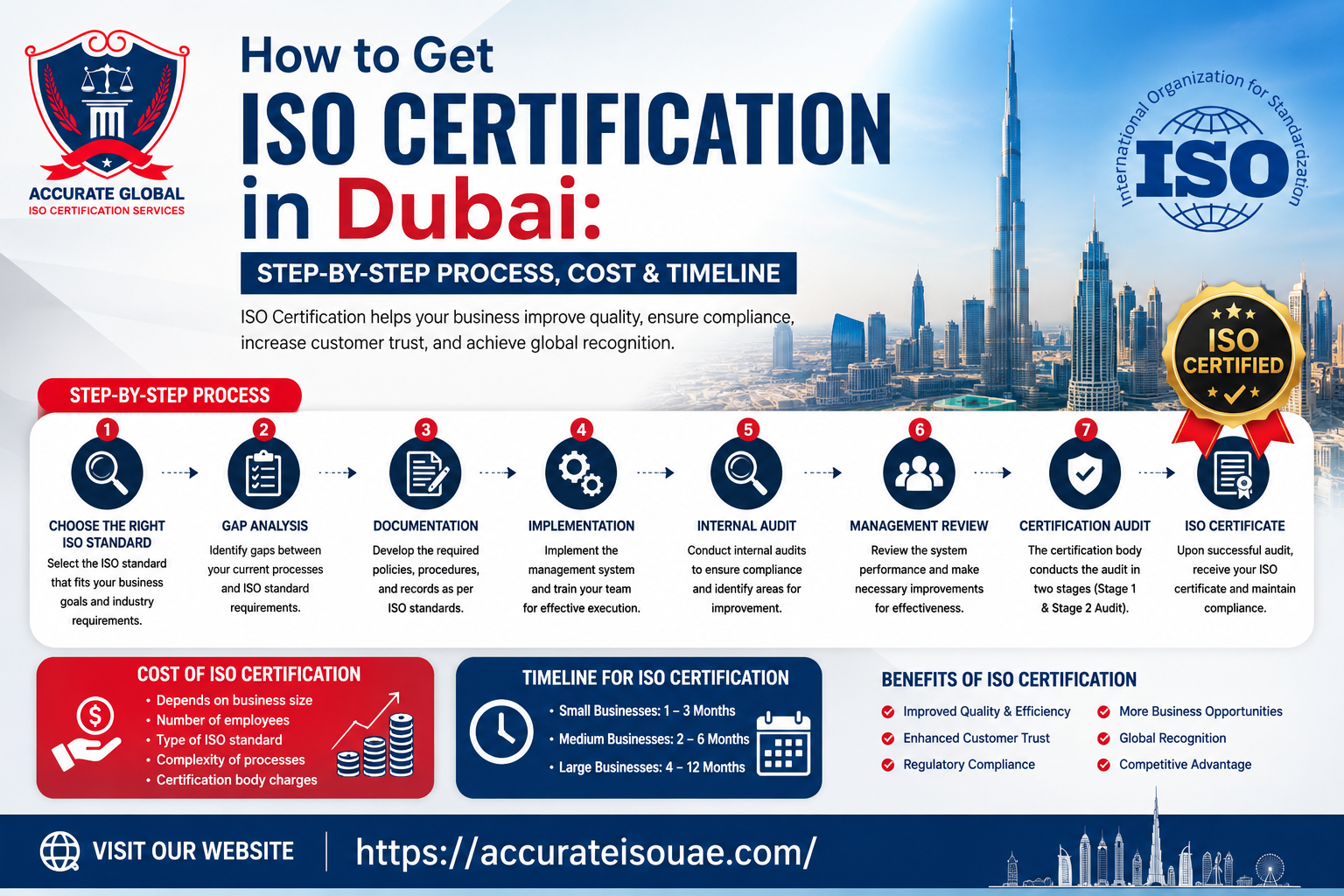
ISO certification is not a one-time expense. It involves multiple stages, including:
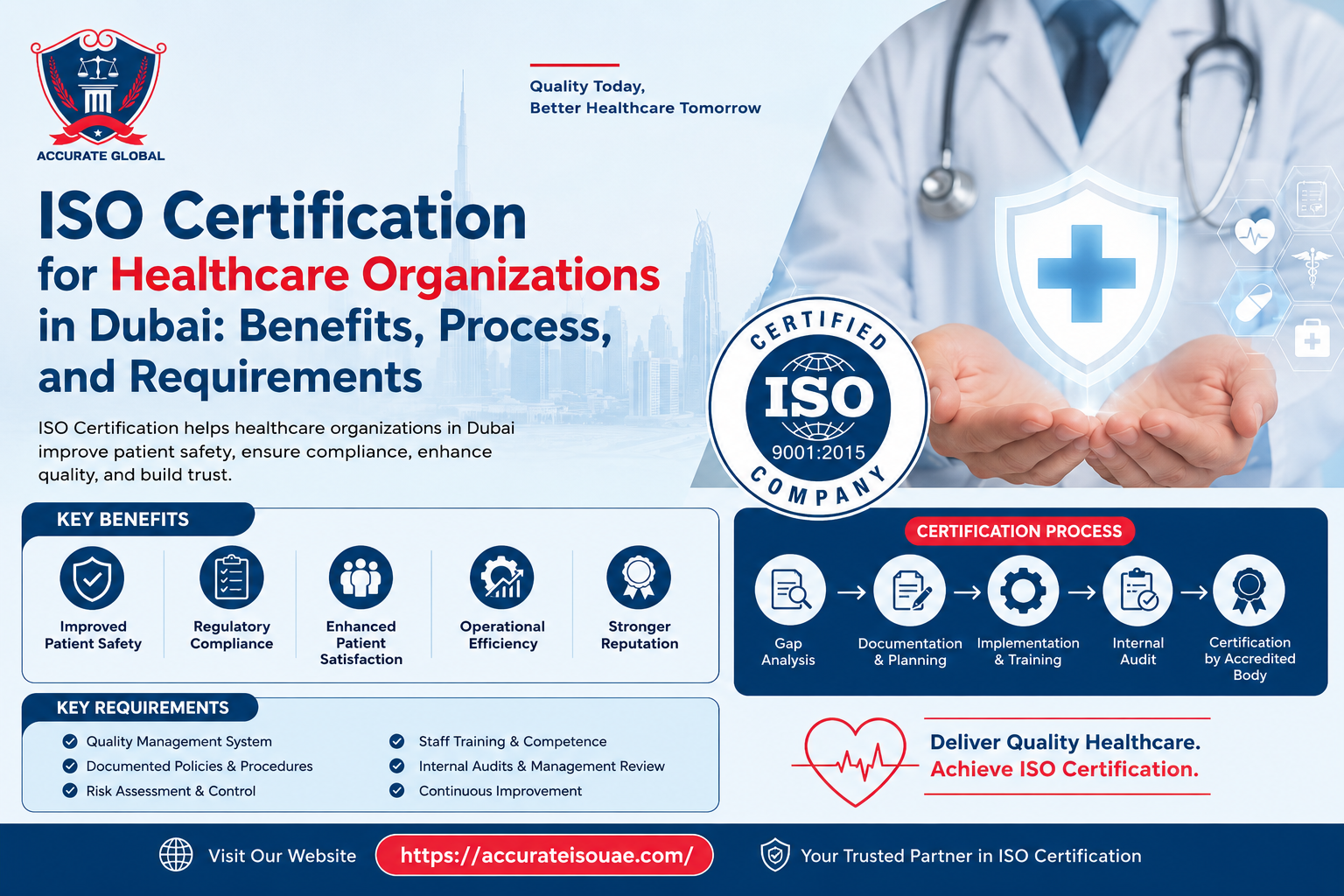
- Gap analysis and consultation
- Documentation development
- Employee training
- Implementation of management systems
- Internal audits
- Certification audit by an accredited certification body
- Annual surveillance audits
The overall investment for ISO Certification Services in Dubai can range from a few thousand dirhams for small businesses to significantly higher amounts for large organizations with multiple locations.
Key Factors That Affect ISO Certification Pricing
1. Type of ISO Standard
The ISO standard you choose plays a major role in determining certification costs.
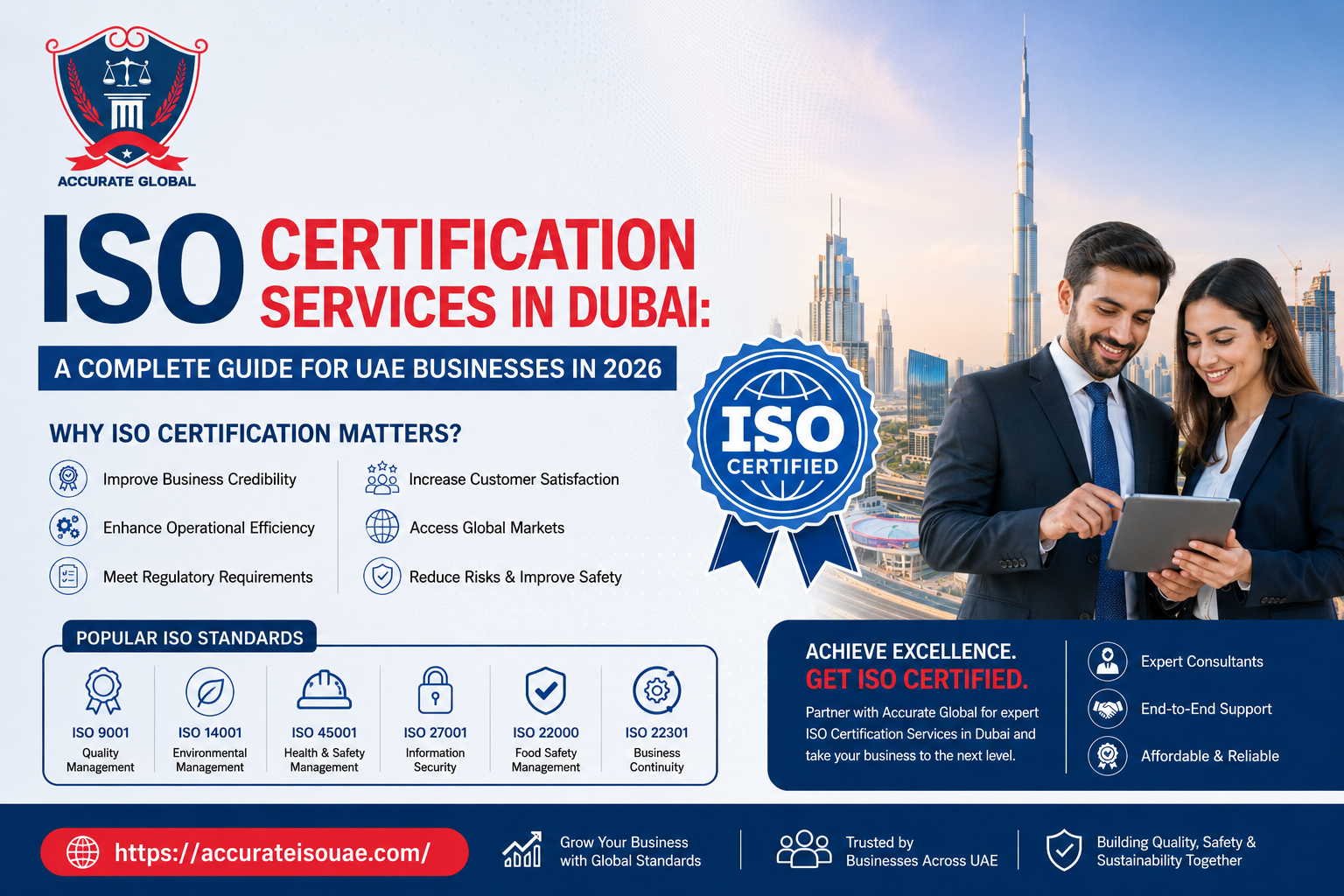
Some of the most common certifications include:
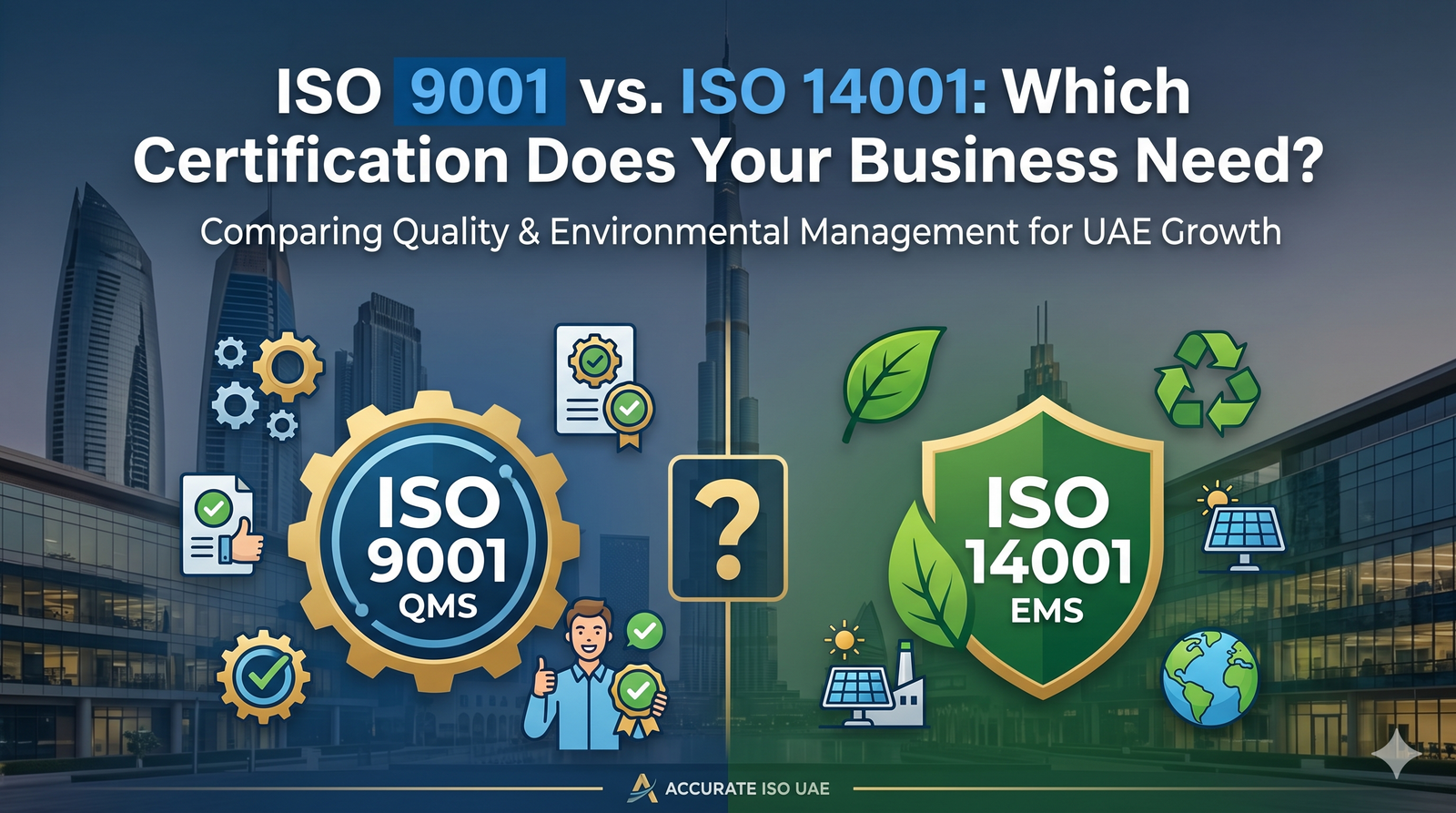
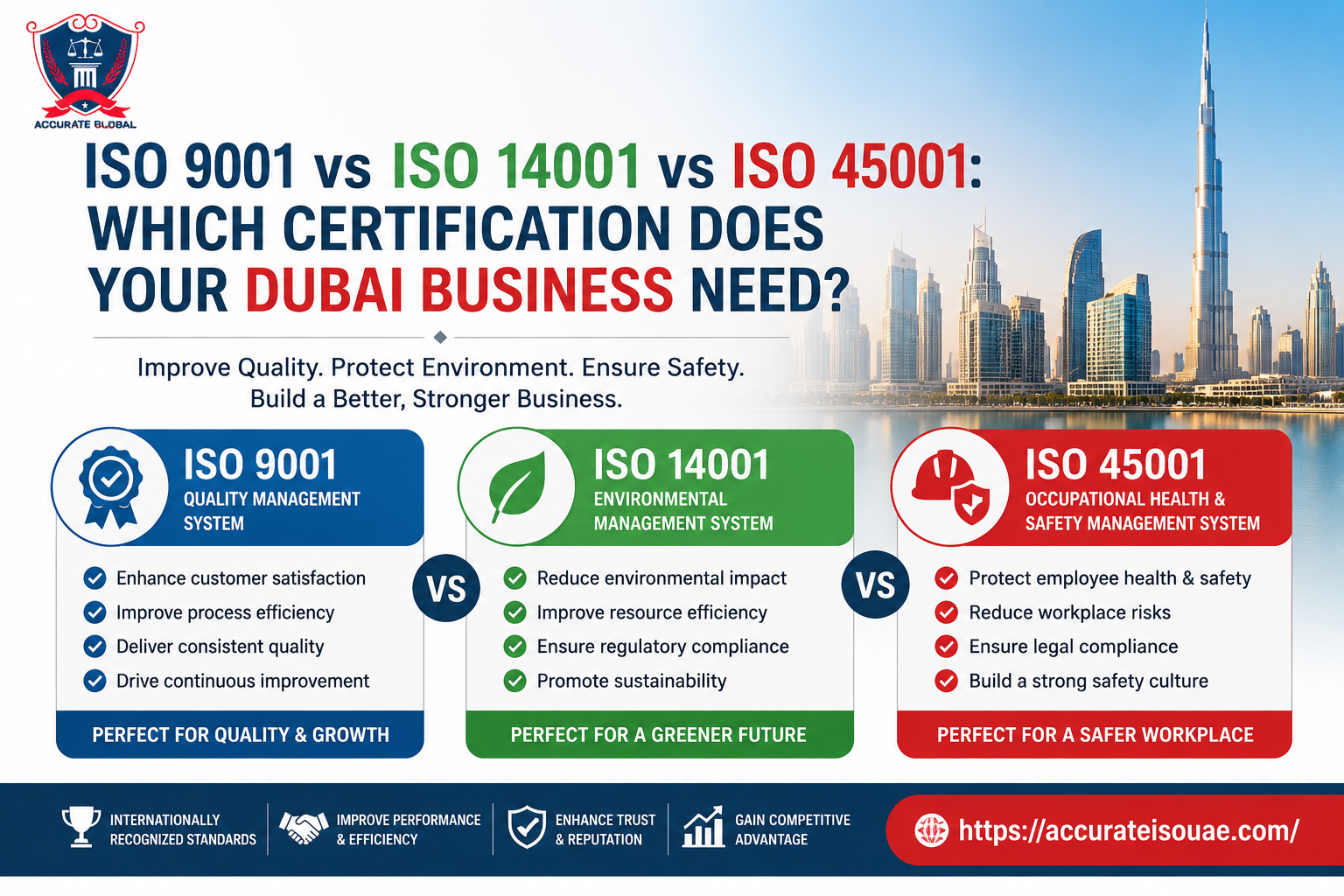
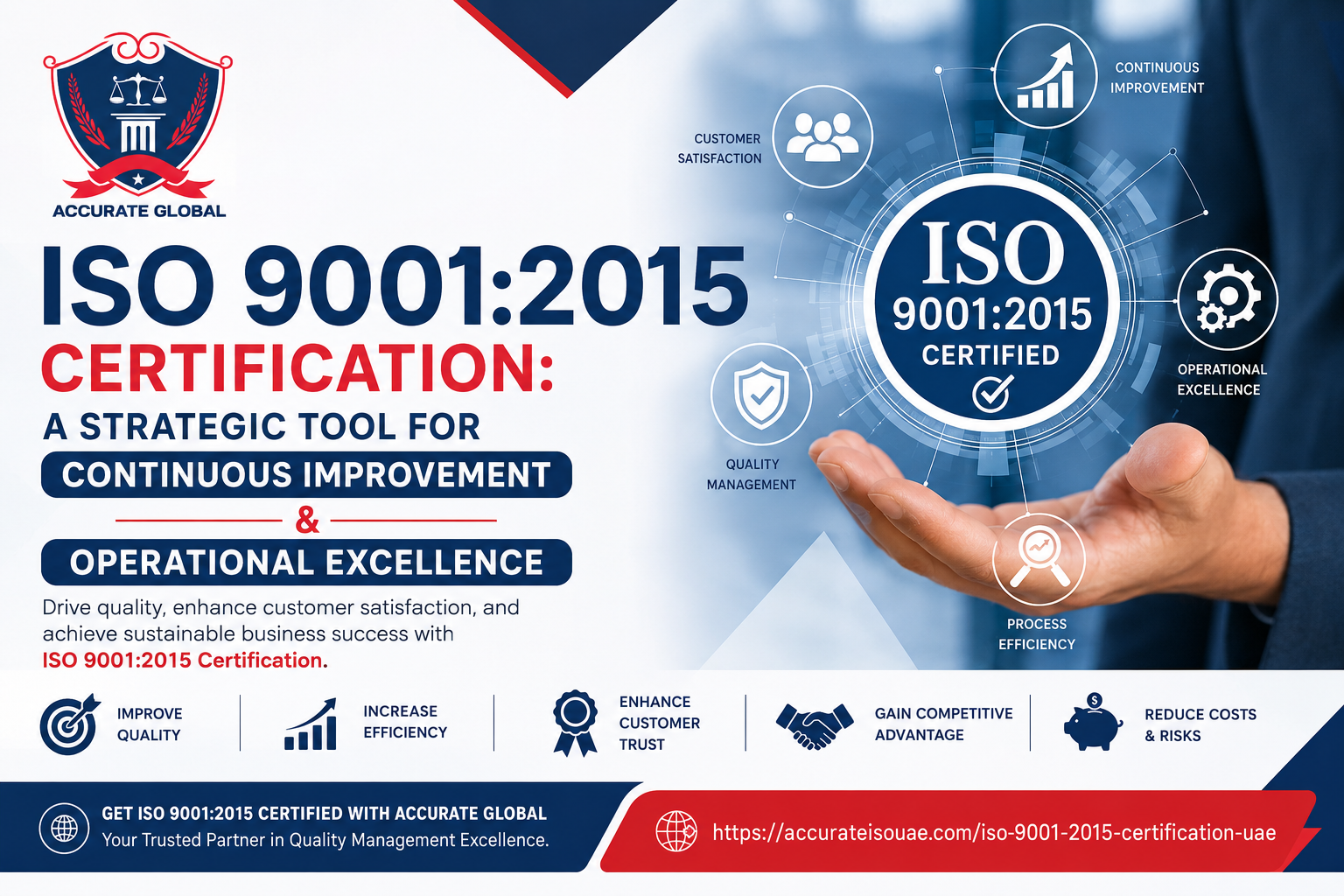
- ISO 9001 – Quality Management System
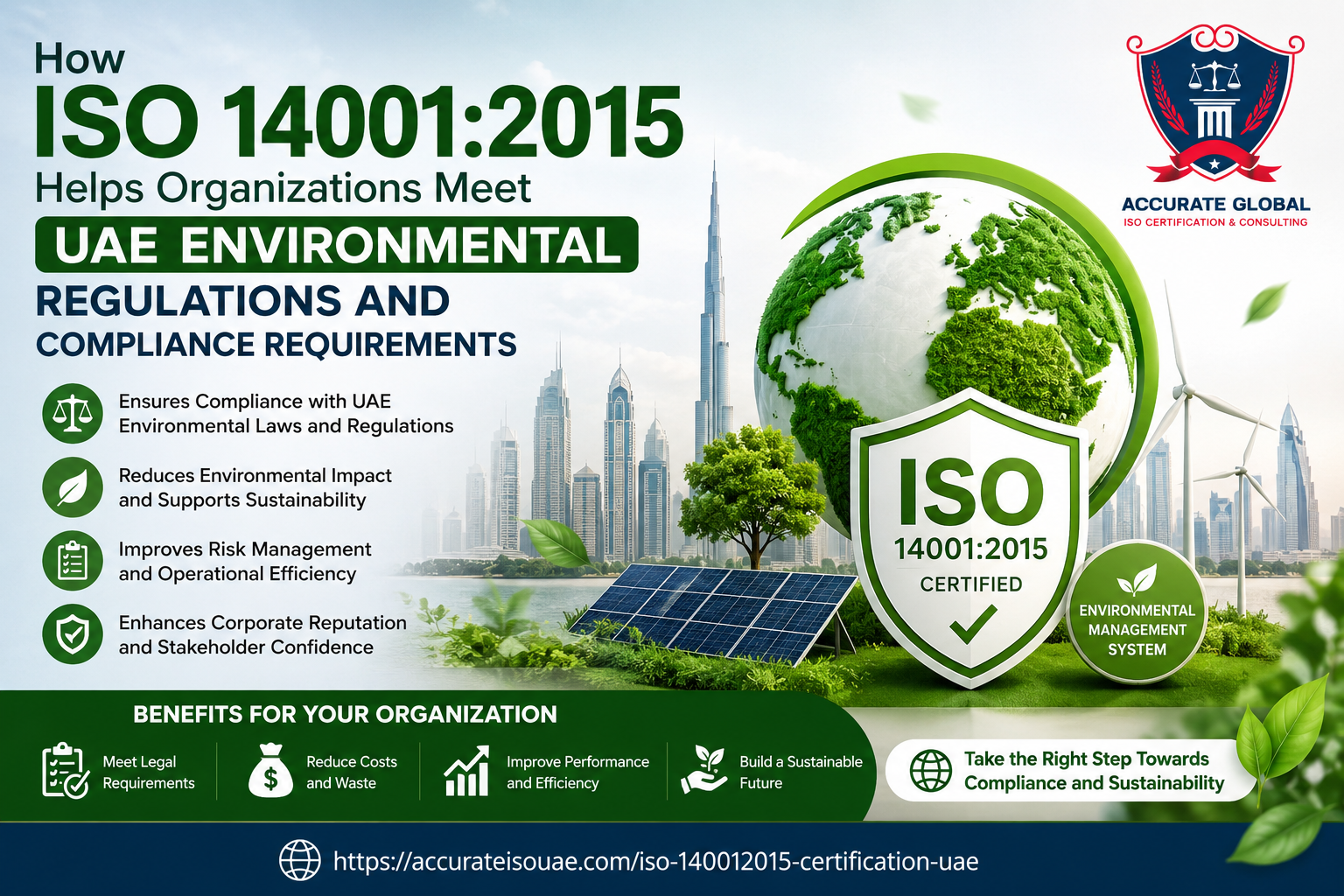
- ISO 14001 – Environmental Management System
- ISO 45001 – Occupational Health and Safety Management System
- ISO 22000 – Food Safety Management System
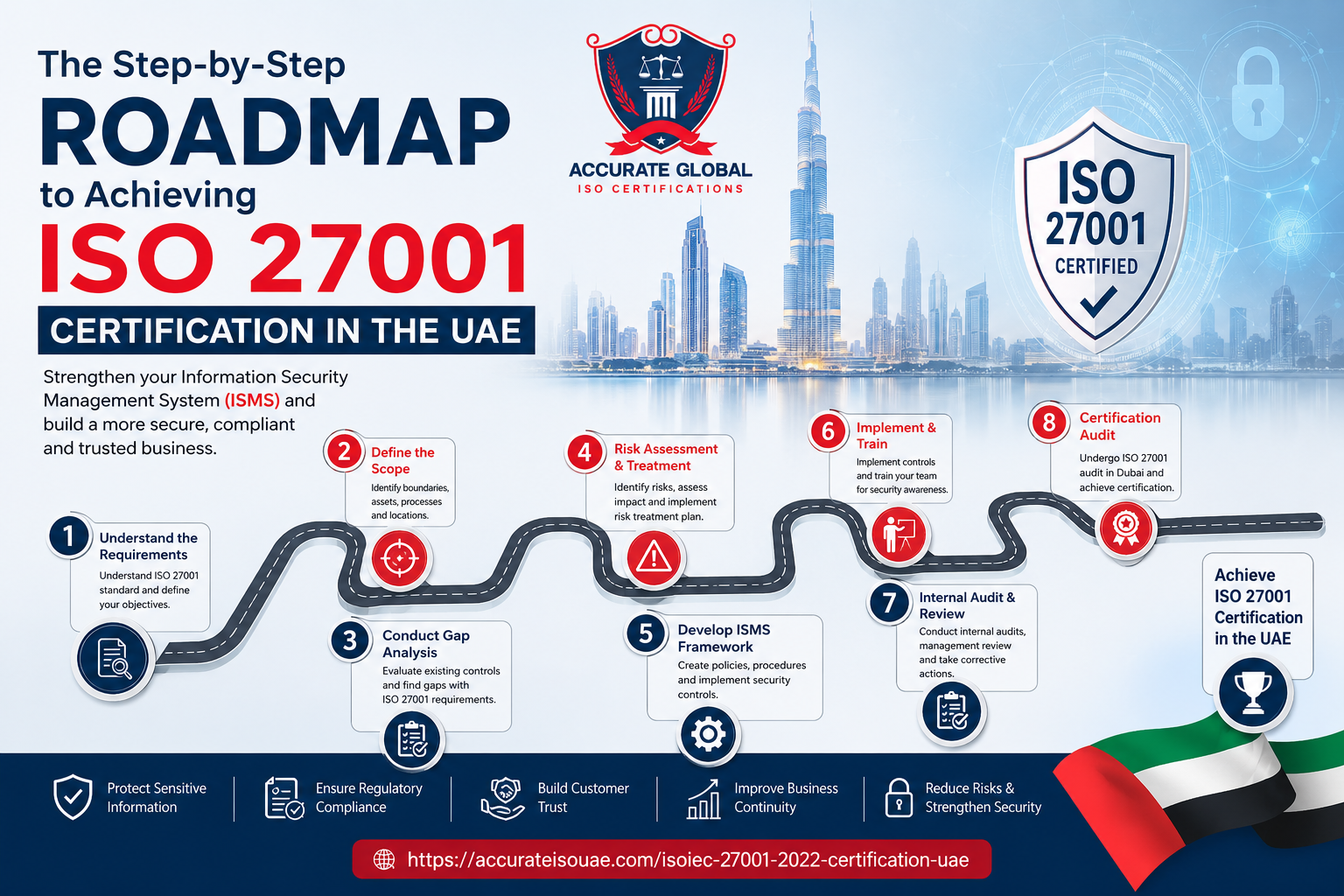
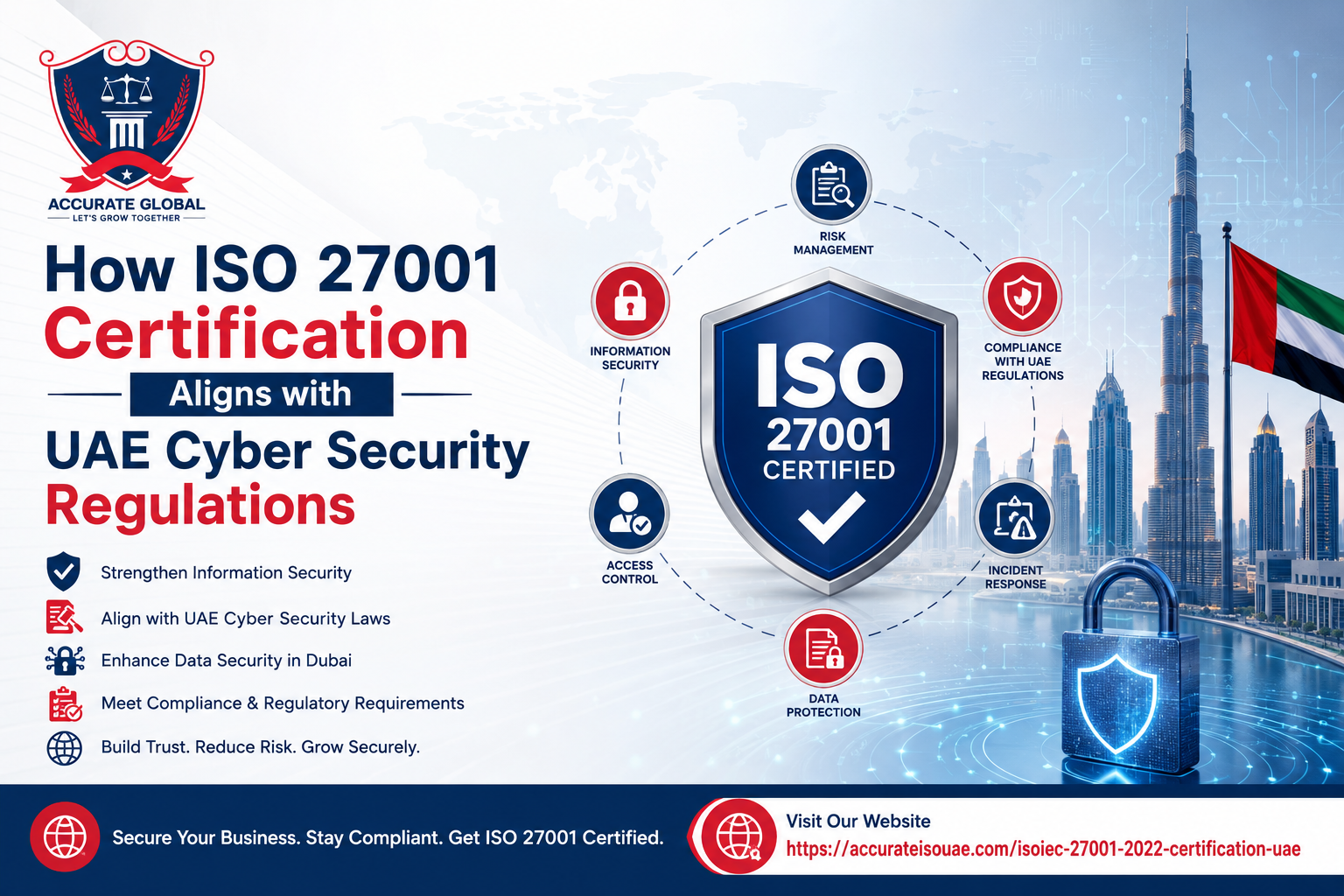
- ISO 27001 – Information Security Management System
- ISO 50001 – Energy Management System
Certain standards, such as ISO 27001 and ISO 22000, typically require more extensive controls, documentation, and audits, making them more expensive than ISO 9001.
2. Company Size
The number of employees in your organization significantly impacts certification costs.
A company with:
- 5–20 employees requires less audit time.
- 50–100 employees requires more extensive assessments.
- 500+ employees may need multiple audit days and larger audit teams.
Certification bodies calculate audit duration based on workforce size, which directly affects the final price.
3. Scope of Business Operations
Businesses with simple processes generally pay less for certification than companies operating in highly regulated industries.
For example:
- Small consulting firms often have straightforward management systems.
- Manufacturing companies require detailed process evaluations.
- Construction firms need extensive safety and compliance assessments.
- Healthcare organizations must meet strict operational requirements.
The more complex the business operations, the higher the implementation and audit costs.
4. Number of Locations
Organizations operating from multiple branches or facilities usually face higher certification expenses.
For example:
- Single-office businesses require audits at one location.
- Multi-site organizations may need audits across several branches.
The additional travel, auditing time, and documentation review increase the overall cost of ISO Certification Services in Dubai.
5. Existing Management Systems
Companies that already have documented procedures and management systems in place often spend less on certification.
Businesses with:
- Established quality processes
- Employee training records
- Internal audit systems
- Risk management procedures
can reduce consulting and implementation costs significantly.
Organizations starting from scratch may require more support and documentation development, increasing overall expenses.
6. Certification Body Selection
The certification body you choose can influence pricing.
Accredited certification bodies generally charge based on:
- Industry sector
- Audit duration
- Number of employees
- Business complexity
While lower-cost providers may seem attractive, businesses should prioritize accreditation and international recognition to ensure the certificate is accepted globally.
7. Consultancy Services
Many companies hire consultants to simplify the certification process.
Consultants typically assist with:
- Gap assessments
- Documentation preparation
- Staff training
- Internal audits
- Certification readiness reviews
The level of consultancy support required affects the total cost. Comprehensive consulting services naturally cost more than basic guidance.
8. Employee Training Requirements
ISO standards require employees to understand their roles within the management system.
Training costs may include:
- Awareness training
- Internal auditor training
- Risk management workshops
- Process improvement sessions
Organizations with large teams often invest more in employee training to ensure successful implementation and certification.
Typical Cost Breakdown of ISO Certification Services in Dubai
Although prices vary, businesses can generally expect costs to include:
Consultation and Gap Analysis
This stage identifies existing gaps between current processes and ISO requirements.
Documentation Development
Policies, procedures, manuals, and records are created or updated.
Training and Implementation
Employees are trained, and management systems are implemented throughout the organization.
Internal Audit
An internal audit evaluates readiness before the certification audit.
Certification Audit
An accredited certification body conducts a formal assessment.
Surveillance Audits
Annual audits ensure ongoing compliance and certification maintenance.
Understanding these components helps businesses accurately budget for certification projects.
Is ISO Certification Worth the Investment?
Many organizations initially focus on certification costs, but it is equally important to consider the long-term return on investment.
Benefits include:
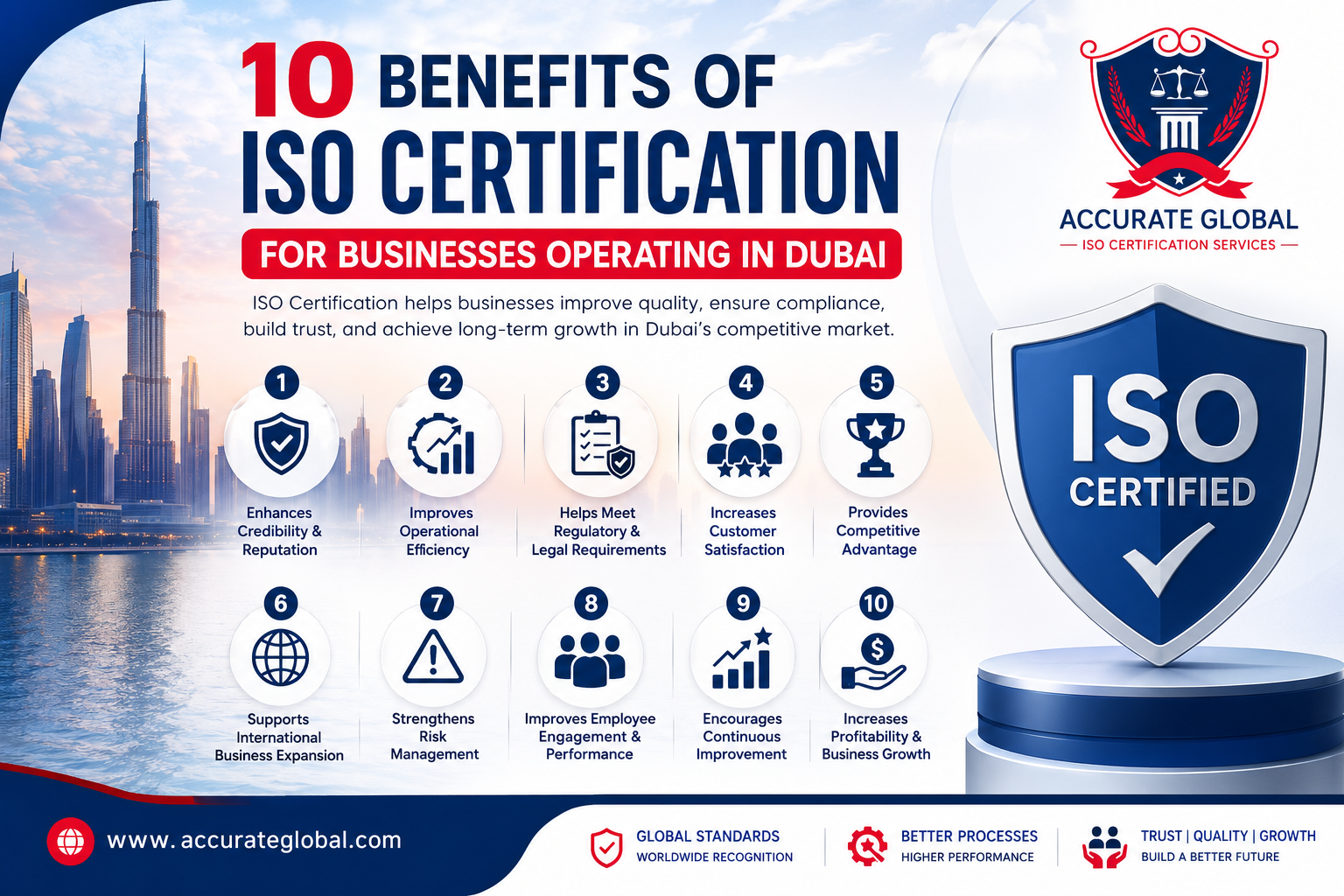
Improved Business Reputation
ISO-certified companies often gain greater trust from customers, suppliers, and stakeholders.
Increased Tender Opportunities
Many government and private sector tenders in the UAE require ISO certification as a qualification criterion.
Better Operational Efficiency
ISO standards help organizations streamline processes, reduce waste, and improve productivity.
Enhanced Customer Satisfaction
A structured management system leads to consistent product and service quality.
Competitive Advantage
ISO certification differentiates businesses from competitors and demonstrates commitment to international standards.
These benefits often outweigh the initial certification investment.
How to Reduce ISO Certification Costs
Businesses can lower expenses by following several best practices:
Prepare Documentation Early
Having policies and procedures ready before implementation reduces consultancy time.
Train Internal Employees
Developing internal auditors can minimize future training costs.
Choose the Right Certification Scope
Avoid including unnecessary departments or locations in the initial certification scope.
Work With Experienced Consultants
Professional consultants can streamline implementation and reduce costly delays.
Combine Multiple Standards
Organizations seeking ISO 9001, ISO 14001, and ISO 45001 can often implement an integrated management system, reducing overall certification costs.
Choosing the Right ISO Certification Partner in Dubai
When evaluating providers of ISO Certification Services in Dubai, businesses should consider:
- Industry experience
- Accreditation and recognition
- Client reviews and testimonials
- Transparent pricing
- Implementation support
- Post-certification assistance
Selecting a reputable certification consultant helps ensure a smoother certification journey and better long-term results.
Conclusion
The cost of ISO Certification Services in Dubai depends on several factors, including the ISO standard selected, company size, operational complexity, number of locations, consultancy requirements, and certification body fees. While certification requires an upfront investment, the long-term benefits—improved efficiency, enhanced credibility, increased business opportunities, and regulatory compliance—make it a valuable asset for organizations across the UAE.
Businesses that understand the factors affecting ISO certification pricing can make informed decisions, budget effectively, and choose the right certification partner to achieve successful and cost-effective certification.
.png)
.png)
.png)
.png)
.png)
.png)