ISO Certification in Dubai: Stage 1 and Stage 2 Audit Process Explained
If you are planning ISO certification in Dubai, the audit is the part that raises the most questions. What will the auditor check? How long does it take? What happens if something is missed? This guide explains the complete audit journey, from application to certificate, so your team knows exactly what to expect.
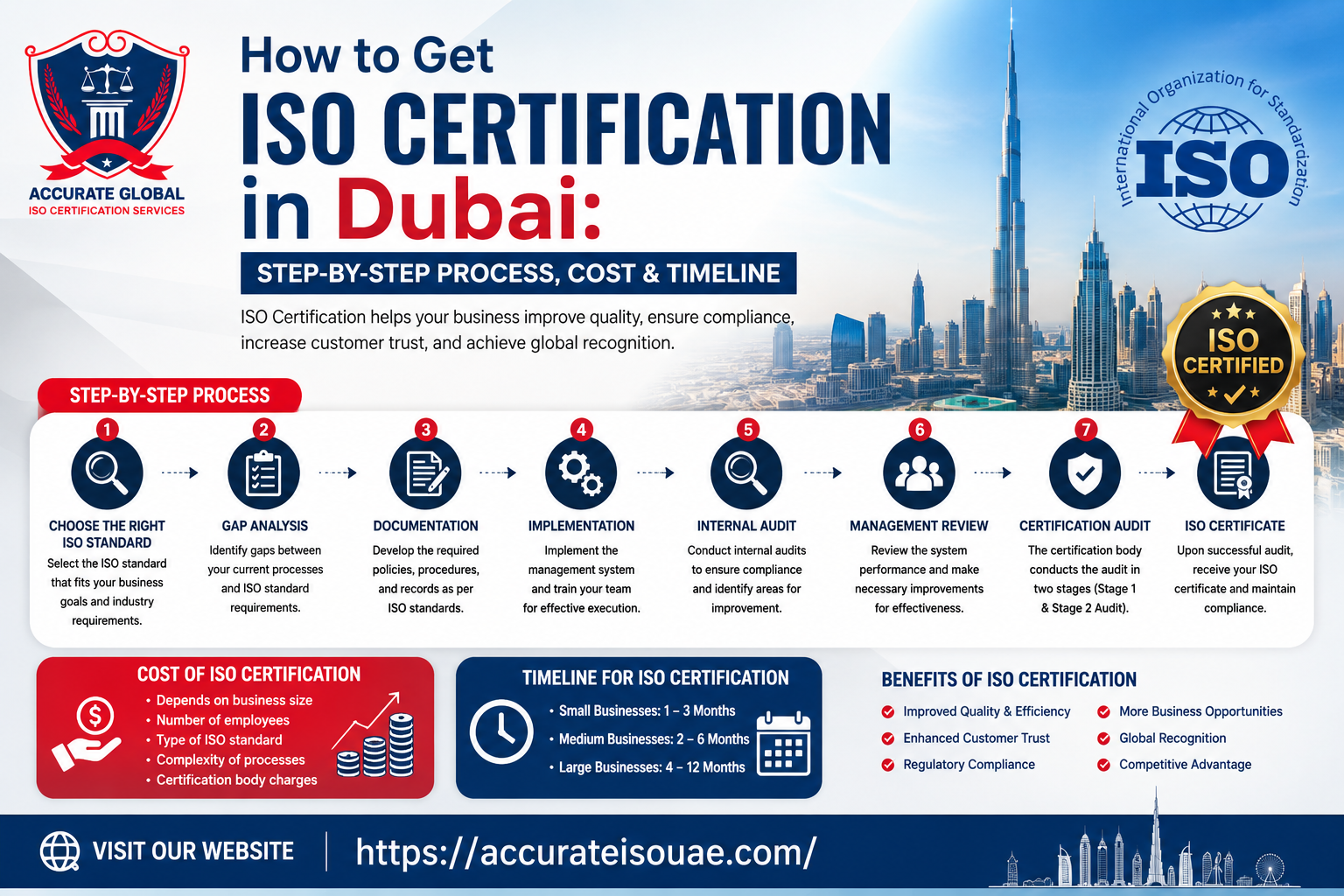
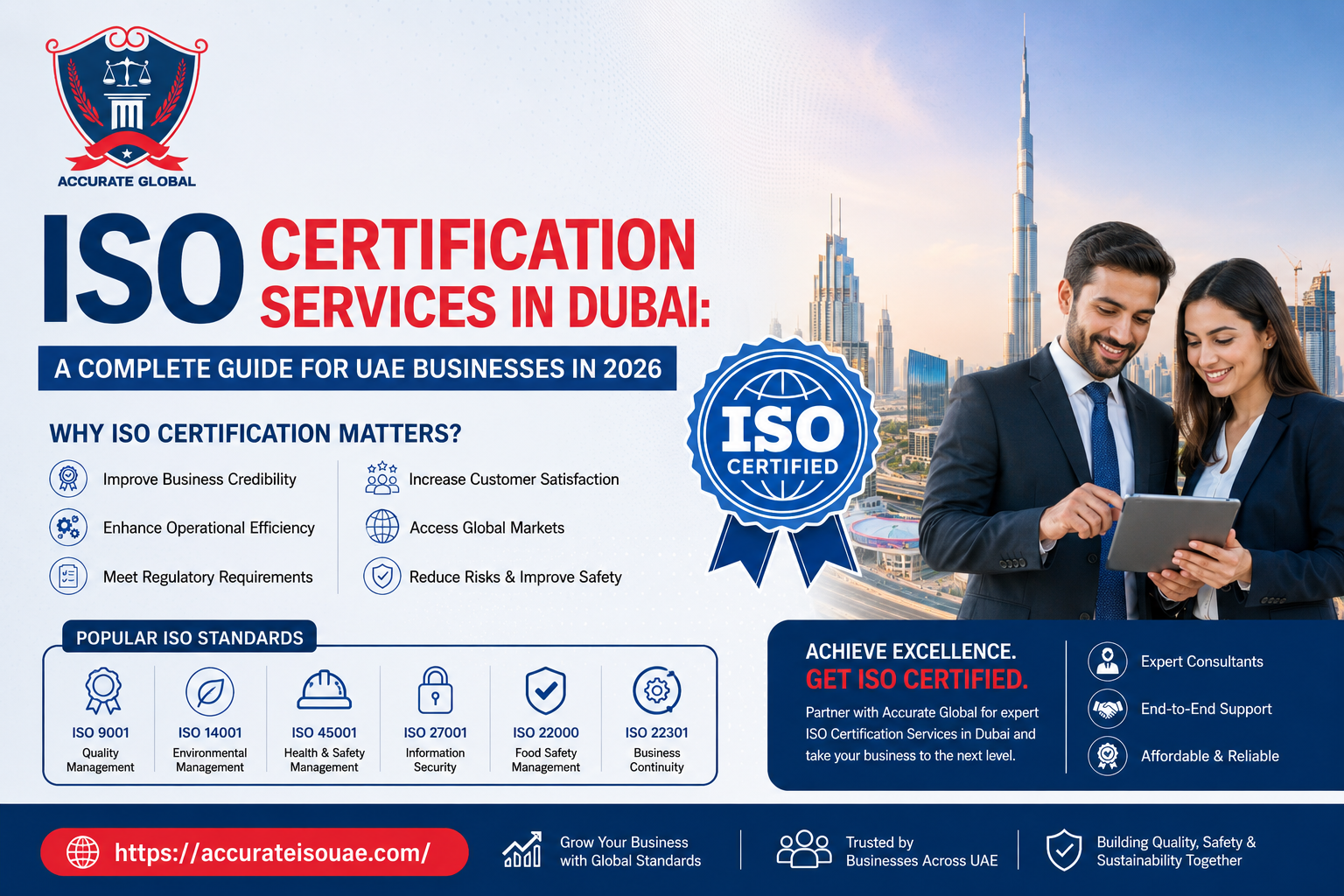
For a wider overview, read our guide on ISO certification services in Dubai: a complete guide, or see how to get ISO certification in Dubai for cost and timeline detail.
What Is an ISO Certification Audit?
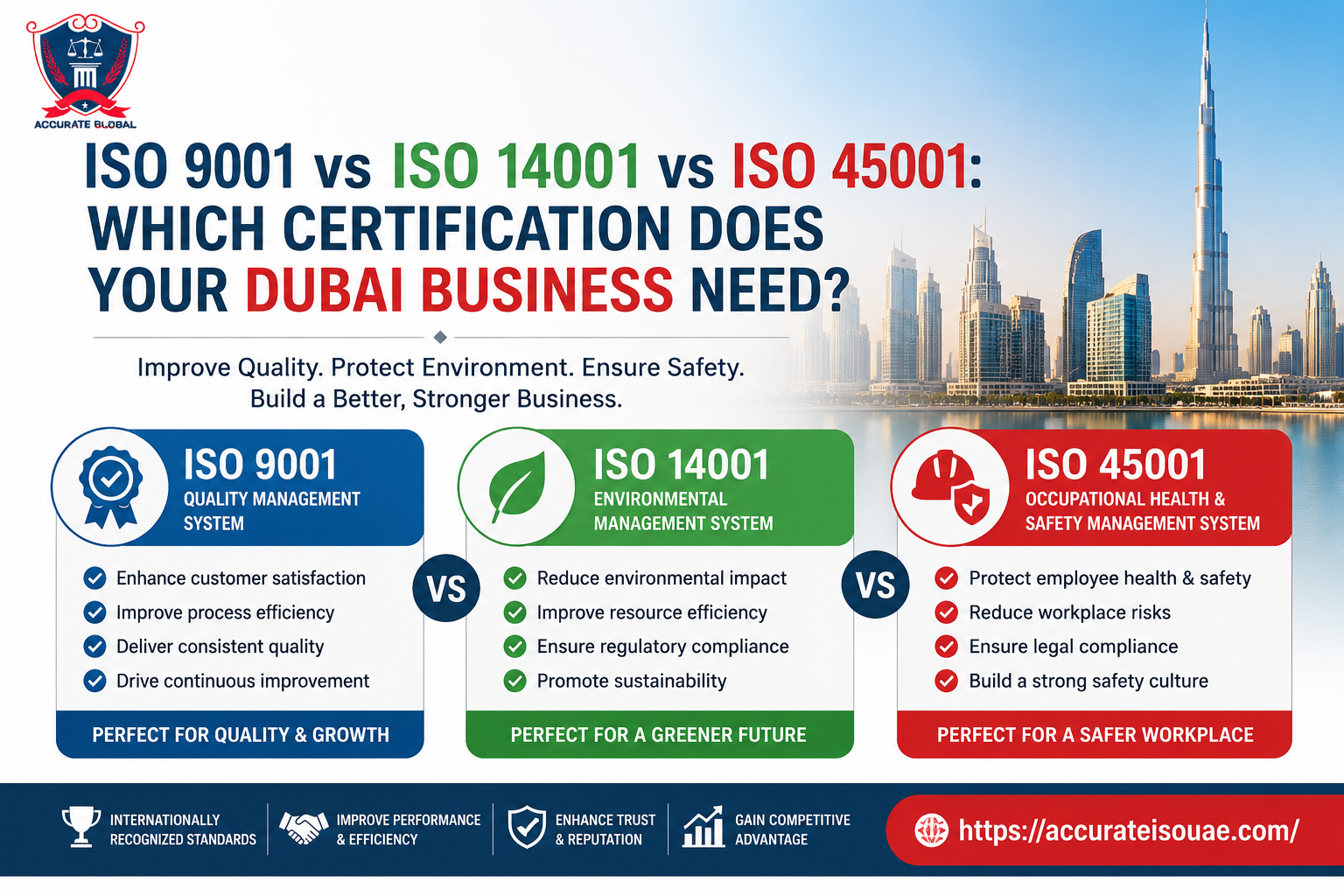
An ISO certification audit is an independent assessment by an accredited certification body. The auditor checks whether your management system meets the requirements of the chosen standard (for example ISO 9001, ISO 14001, ISO 45001 or ISO/IEC 27001) and whether it works in daily operations. Certification is granted only when both are proven with evidence.
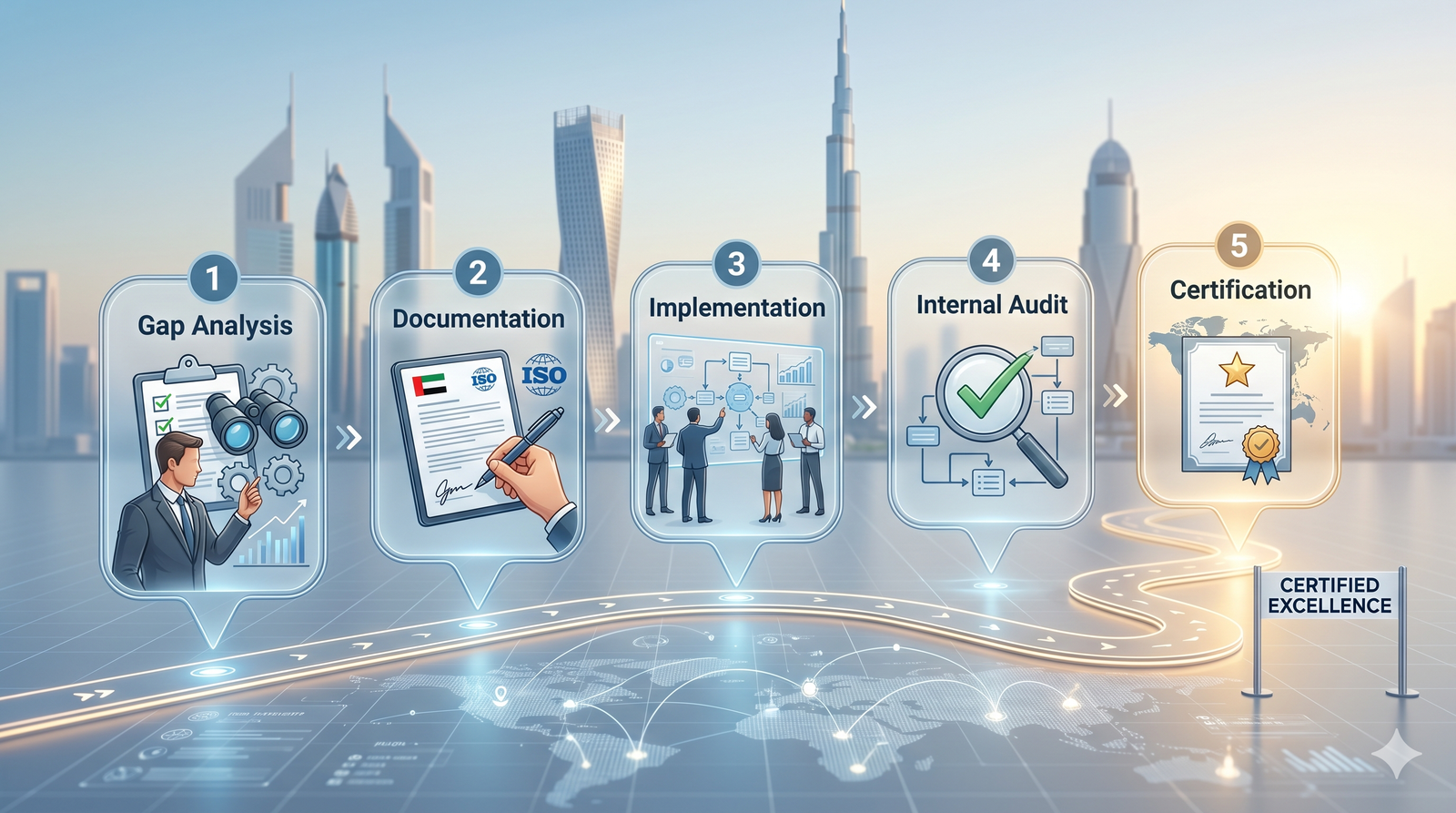
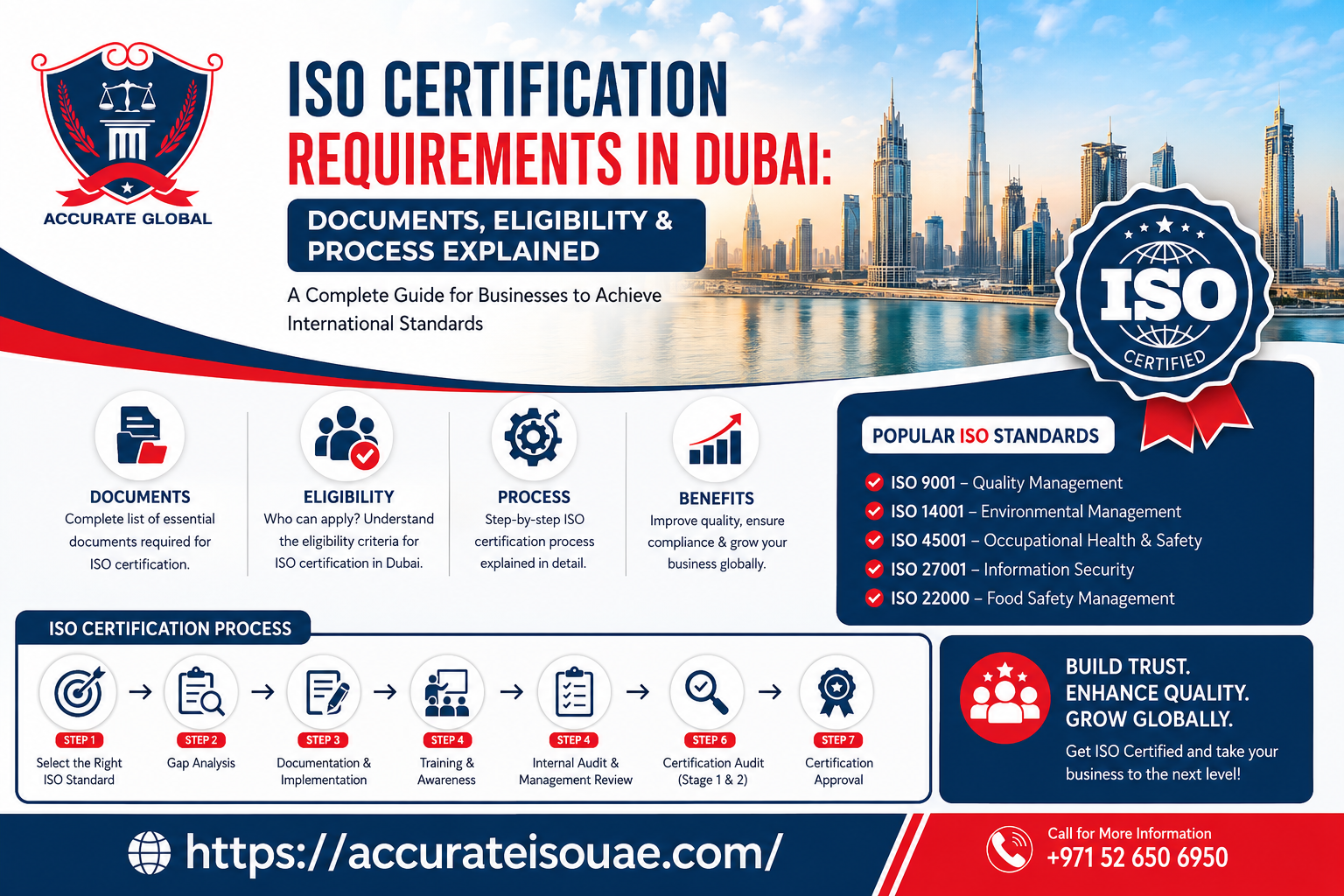
Step 1: Application and Audit Planning
You share your company profile, number of employees, sites and the scope of activities. The certification body uses this to calculate audit duration and prepare a proposal. A clear scope matters because it decides which processes, locations and services appear on your certificate. Check our ISO certification requirements in Dubai article to prepare documents in advance.
Step 2: Stage 1 Audit (Readiness Review)
Stage 1 is mainly a documentation and readiness review. The auditor will usually:
- Review your policy, objectives, scope and key procedures.
- Check that internal audits and management review have been completed.
- Confirm you understand legal and customer requirements.
- Decide whether you are ready for Stage 2 and flag concerns early.
Any concern raised here is an opportunity to fix gaps before the main audit.
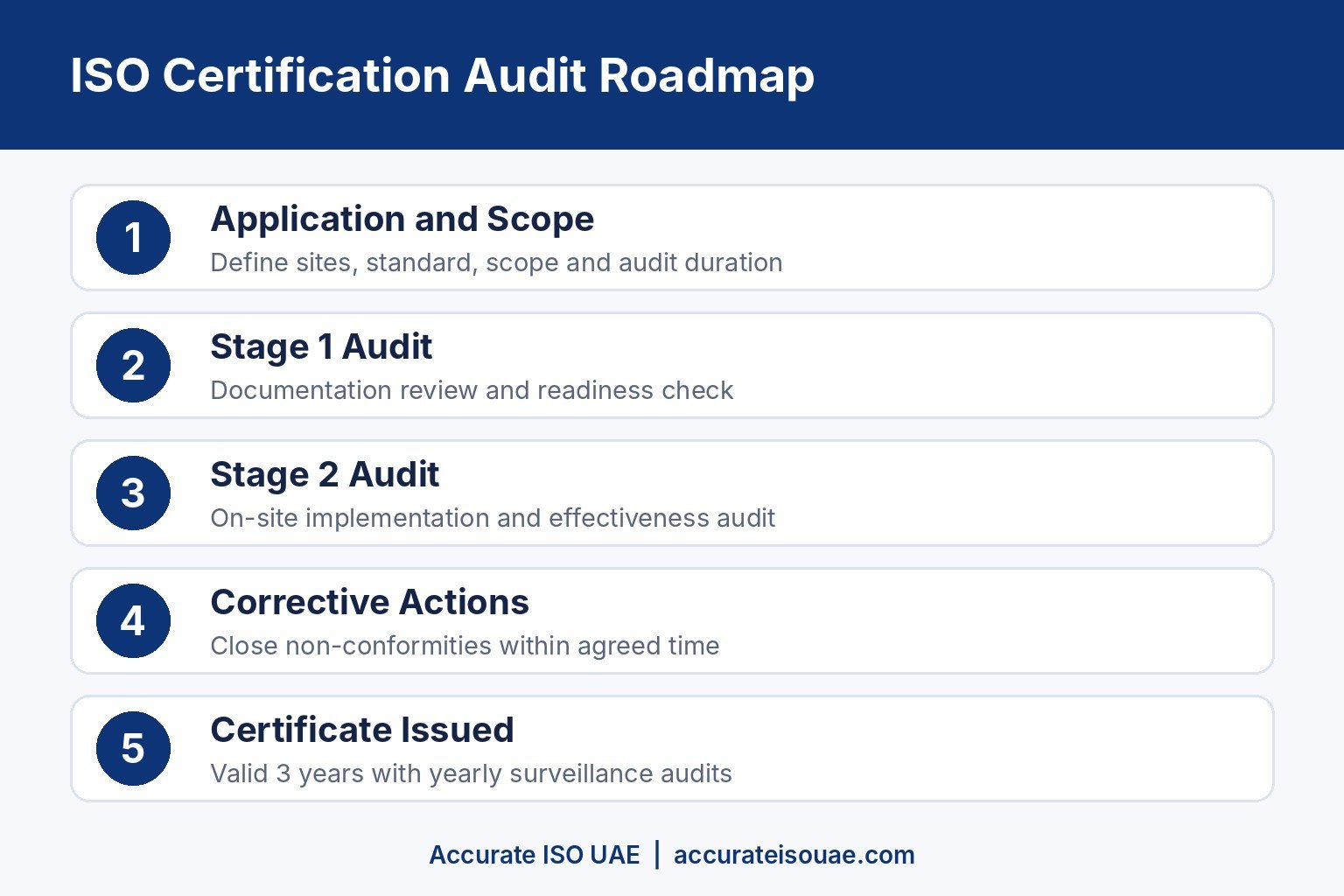
Step 3: Stage 2 Audit (Implementation Audit)
Stage 2 is the main on-site (or remote, where allowed) audit. The auditor interviews staff, observes processes and samples records to confirm that your system is implemented and effective. Expect questions on leadership commitment, risk and opportunities, operational control, training, monitoring and continual improvement.
Findings are normally graded as major non-conformities, minor non-conformities or observations. Major findings must be closed before a certificate can be issued.
Step 4: Corrective Actions
For each non-conformity you provide a root-cause analysis, correction and corrective action with evidence. Do not rush this step; a weak response is a common reason for delays. Our article on common ISO certification mistakes lists the issues we see most often.
Step 5: Certification Decision and Certificate
After corrective actions are accepted, an independent reviewer approves the decision and the certificate is issued. A certificate is typically valid for three years, subject to annual surveillance audits.
Step 6: Surveillance and Recertification
Surveillance audits confirm that you keep improving. Before the three-year cycle ends, a recertification audit renews your certification. Treat ISO as a management system, not a one-time project.
How Long Does the Audit Process Take?
| Stage | Typical Activity | Indicative Duration |
|---|---|---|
| Application and planning | Scope, proposal, audit plan | 1 to 2 weeks |
| Stage 1 audit | Documentation and readiness | 1 to 2 days (size dependent) |
| Stage 2 audit | Implementation and effectiveness | 2 to 5+ days (size dependent) |
| Corrective actions | Close findings with evidence | Up to the agreed deadline |
| Certificate | Review and issue | 1 to 3 weeks |
Durations are indicative and depend on company size, sites and standard.
Tips to Pass the Audit First Time
- Complete a gap analysis and internal audit before Stage 1.
- Keep records ready: training, calibration, supplier evaluation, customer feedback.
- Brief your team so they can explain their own role confidently.
- Involve top management; auditors always interview leadership.
- Pick a recognised body; see how to choose the best ISO certification services in Dubai.
Frequently Asked Questions
How long does ISO certification take in Dubai?
Most small and mid-sized companies complete certification in roughly 2 to 4 months, depending on readiness, documentation and the standard chosen.
What is the difference between Stage 1 and Stage 2 audit?
Stage 1 reviews documentation and readiness. Stage 2 verifies on site that the system is implemented and effective.
How long is an ISO certificate valid?
Typically three years, with surveillance audits each year and a recertification audit at the end of the cycle.
What happens if I get a non-conformity?
You submit a root-cause analysis and corrective action with evidence. Major non-conformities must be closed before the certificate is issued.
Get Expert Support
Ready to start your ISO certification in Dubai? Speak to our team for a free consultation: call +971 52 315 0586, email info@accurateiso.com or contact our team to request a quote. You can also review our ISO certification prices page to plan your budget.
Related reading: how to choose ISO consultants in UAE, ISO 9001 for small businesses in UAE.

.png)
.png)

.png)
.png)
.png)
.png)
.png)