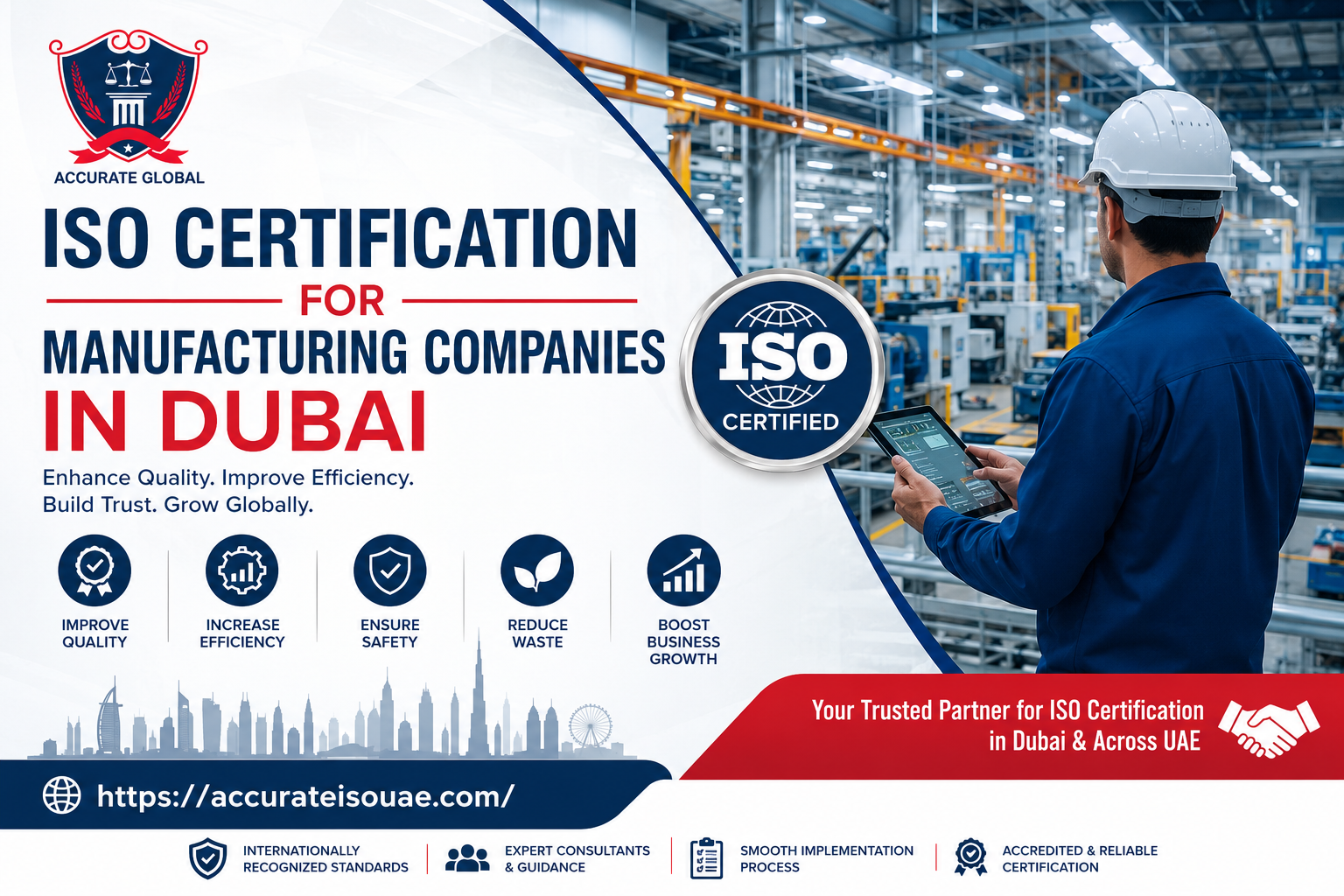
ISO Certification for Manufacturing Companies in Dubai
Dubai has become one of the world's leading manufacturing hubs, attracting businesses from industries such as food processing, pharmaceuticals, automotive, electronics, textiles, chemicals, plastics, and construction materials. As competition continues to grow, manufacturers are expected to deliver high-quality products while complying with international regulations and customer expectations.
This is where ISO Certification in Dubai plays a vital role. ISO standards help manufacturing companies establish efficient management systems, improve product quality, reduce operational risks, and build trust with customers and regulatory authorities.
Whether you operate a small manufacturing unit or a large industrial facility, obtaining ISO certification can enhance your business reputation and open doors to new opportunities in local and international markets.
What Is ISO Certification?
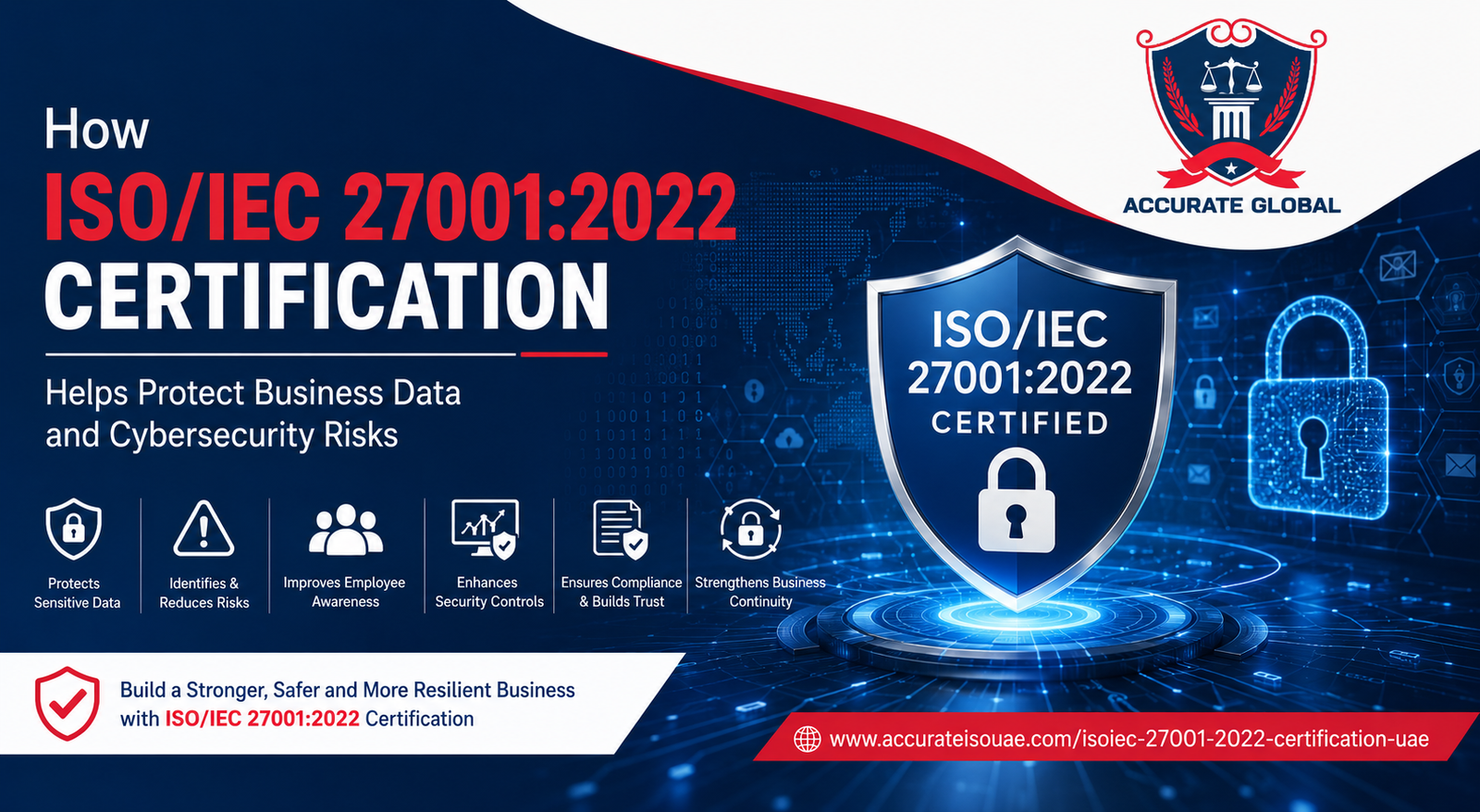
ISO (International Organization for Standardization) develops globally recognized standards that help businesses improve quality, safety, environmental performance, and operational efficiency.
For manufacturing companies, ISO certification demonstrates that products and processes meet internationally accepted standards. It also shows customers, suppliers, and government authorities that the organization is committed to continuous improvement.
Many government contracts, multinational clients, and export markets prefer or even require certified manufacturers.
Why Manufacturing Companies Need ISO Certification in Dubai
Manufacturing businesses face numerous challenges, including:
- Maintaining consistent product quality
- Meeting customer expectations
- Reducing production errors
- Ensuring workplace safety
- Managing environmental impact
- Complying with UAE regulations
- Competing in global markets
Implementing ISO Certification in Dubai helps manufacturers address these challenges through structured processes and internationally recognized best practices.
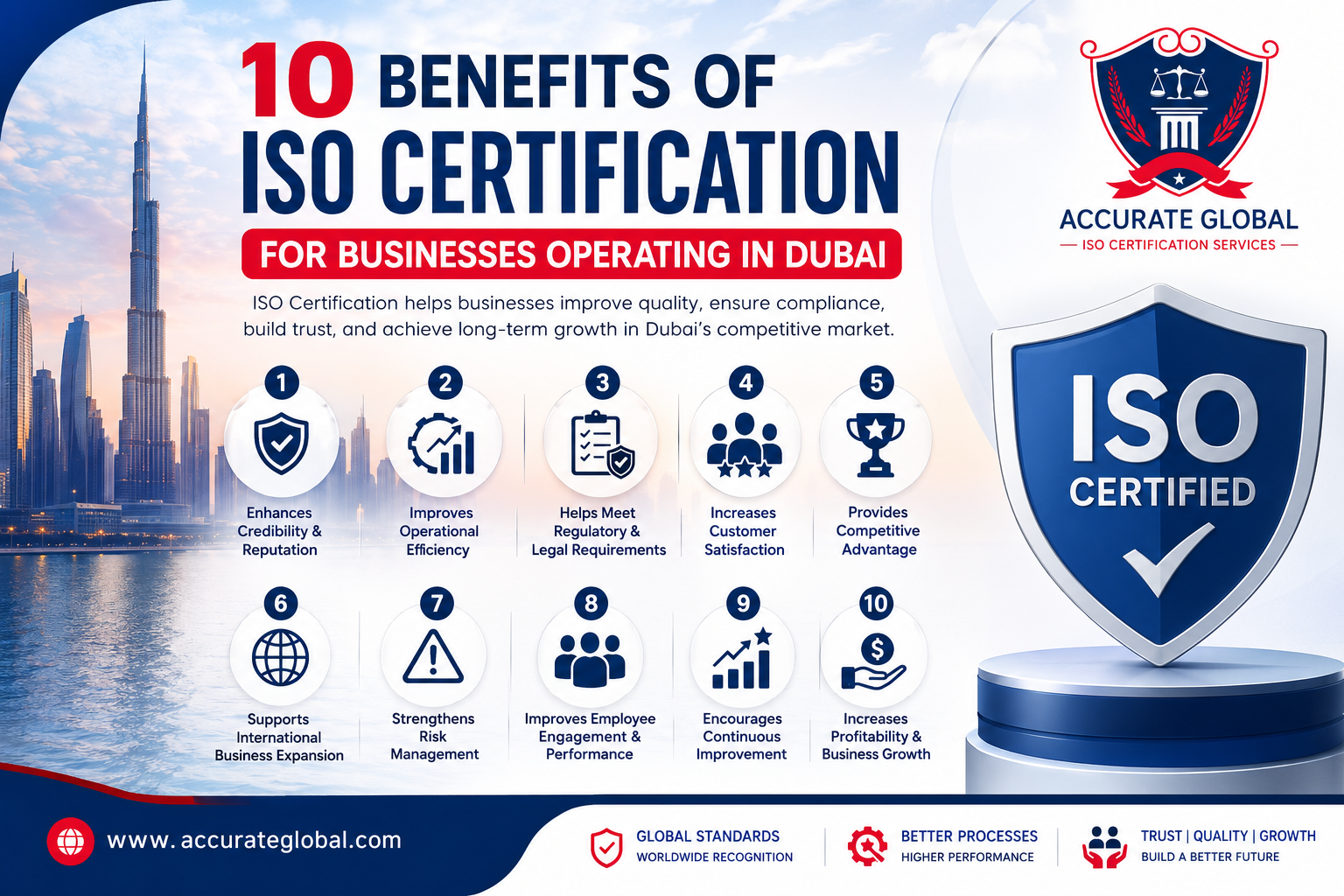
Benefits of ISO Certification for Manufacturing Companies
1. Improved Product Quality
ISO standards help manufacturers establish quality control procedures throughout the production process.
Benefits include:
- Fewer defects
- Better consistency
- Reduced rework
- Higher customer satisfaction
- Improved product reliability
2. Increased Operational Efficiency
Manufacturing companies often experience production delays due to inefficient workflows.
ISO implementation helps businesses:
- Standardize operating procedures
- Eliminate unnecessary activities
- Improve resource utilization
- Reduce waste
- Increase productivity
Efficient operations lead to lower costs and higher profitability.
3. Enhanced Customer Confidence
Customers prefer suppliers who consistently deliver quality products.
ISO-certified manufacturers gain:
- Greater customer trust
- Stronger brand reputation
- Improved client retention
- Better business relationships
- Increased repeat orders
Certification also provides confidence to international buyers looking for reliable manufacturing partners.
4. Easier Compliance with Regulations
Dubai manufacturers must comply with various local and international regulations.
ISO standards support compliance by:
- Documenting processes
- Maintaining proper records
- Monitoring legal requirements
- Reducing compliance risks
This minimizes penalties and operational disruptions.
5. Better Risk Management
Manufacturing environments involve operational, environmental, and safety risks.
ISO certification helps companies:
- Identify potential risks
- Assess their impact
- Implement preventive controls
- Continuously monitor performance
Proactive risk management reduces unexpected production interruptions.
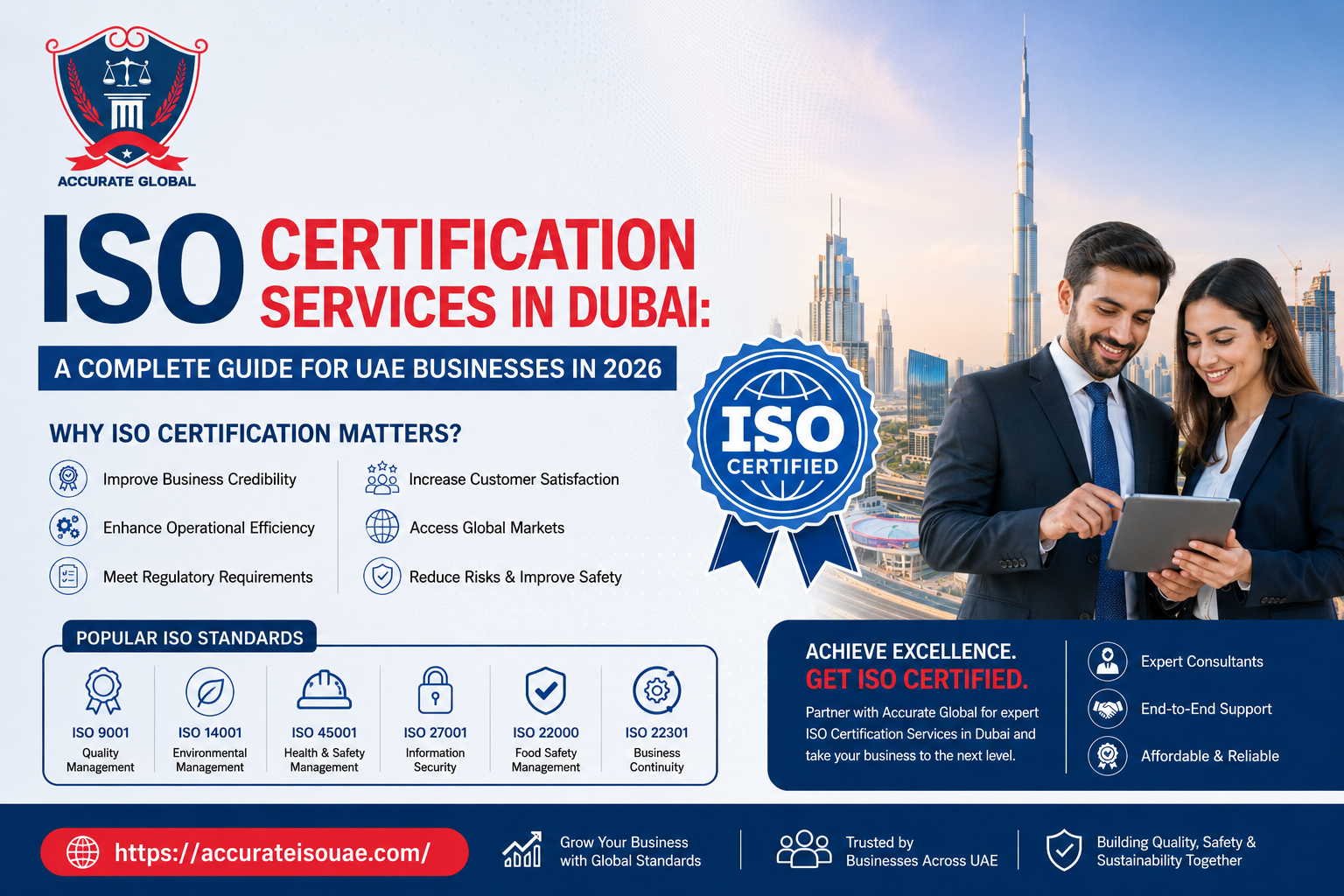
Important ISO Standards for Manufacturing Companies
Different manufacturing businesses require different ISO certifications depending on their operations.
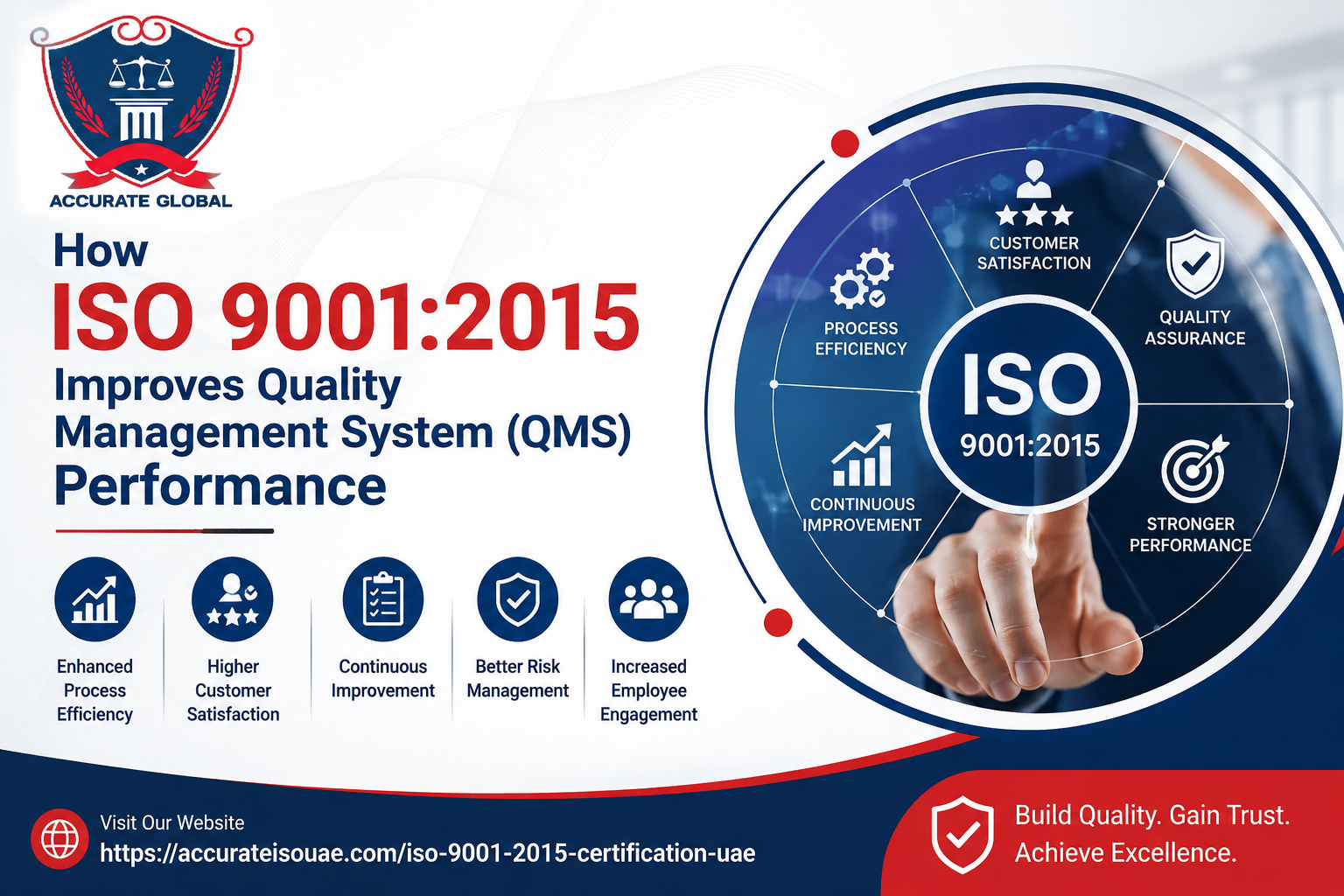
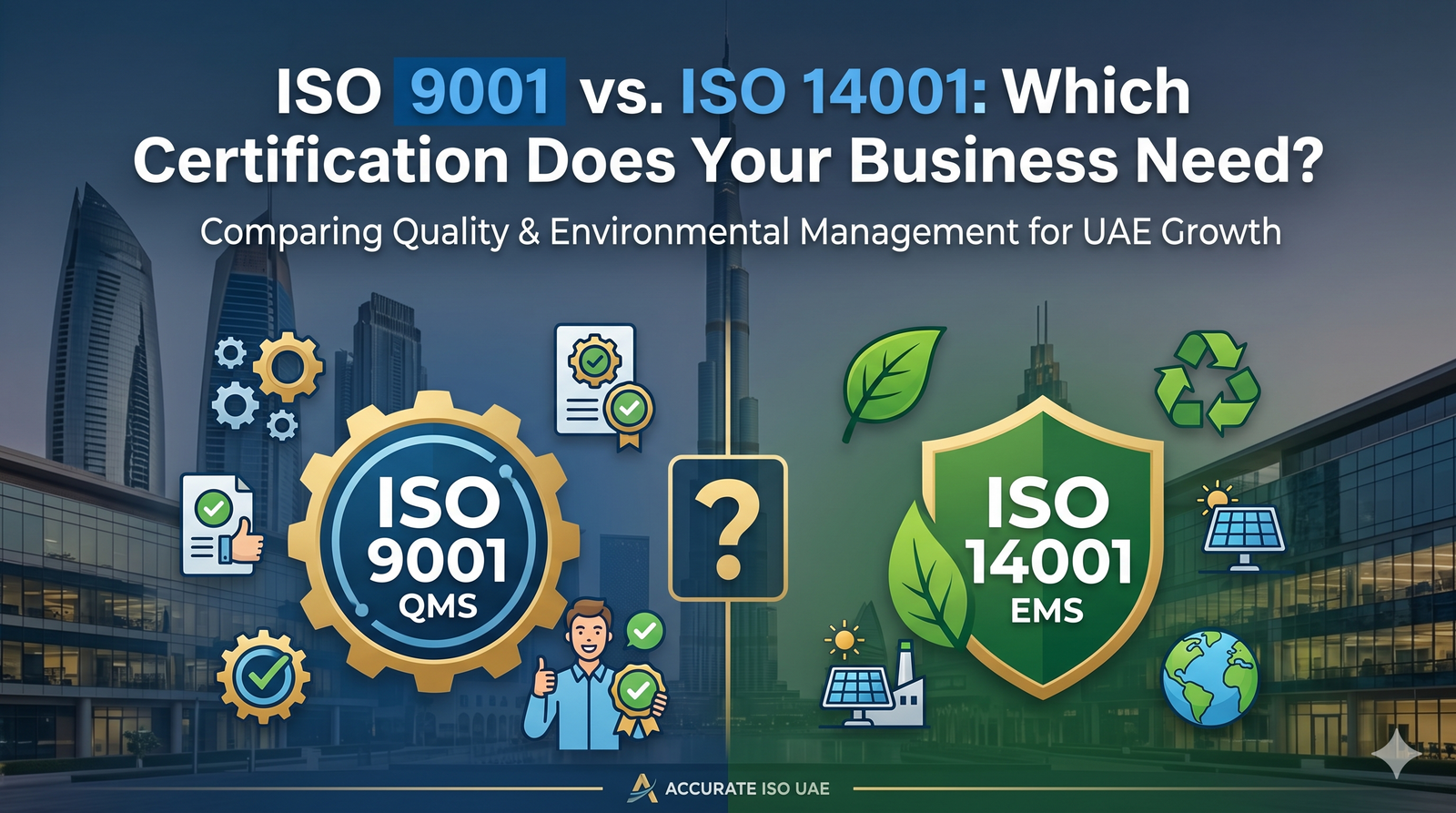
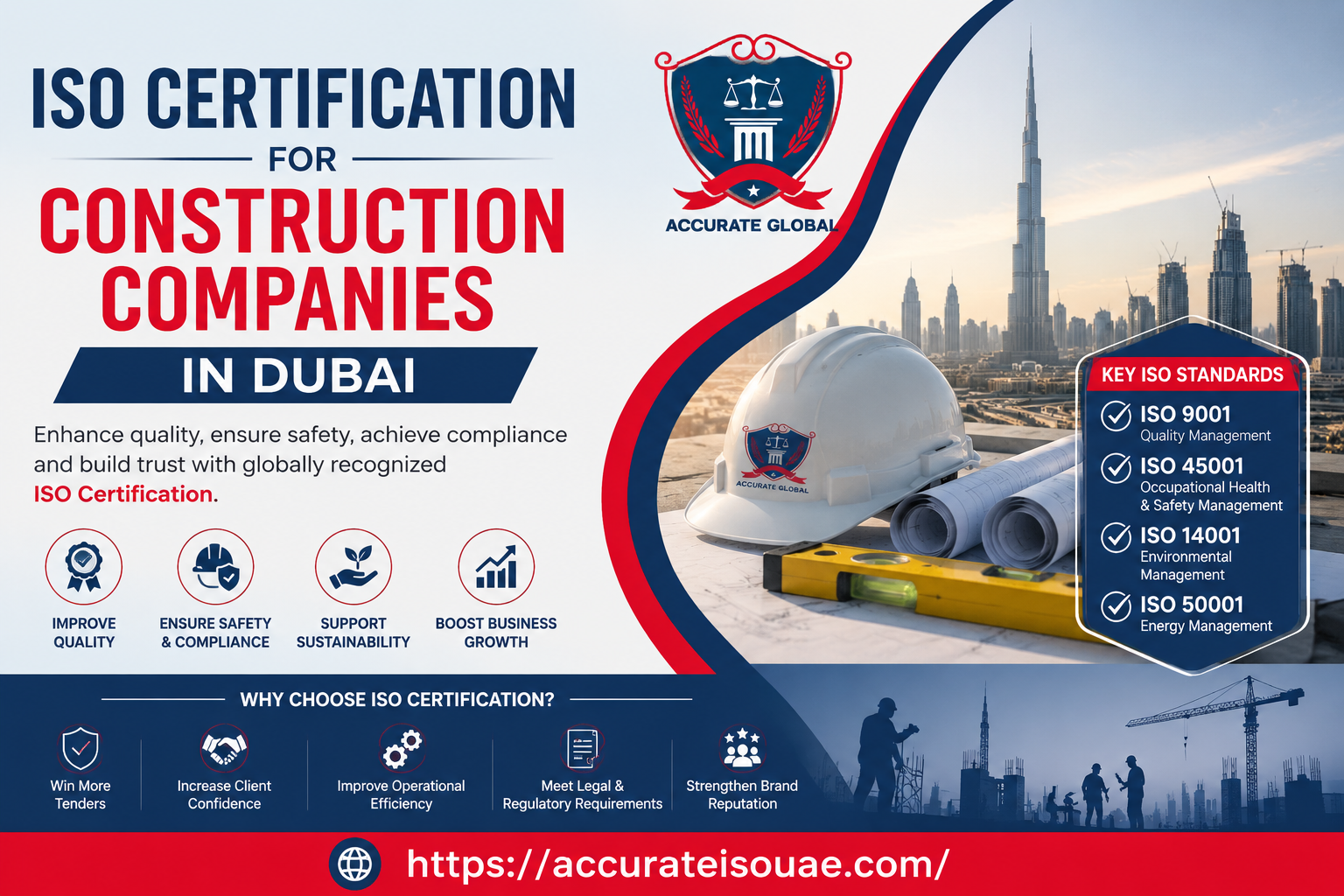
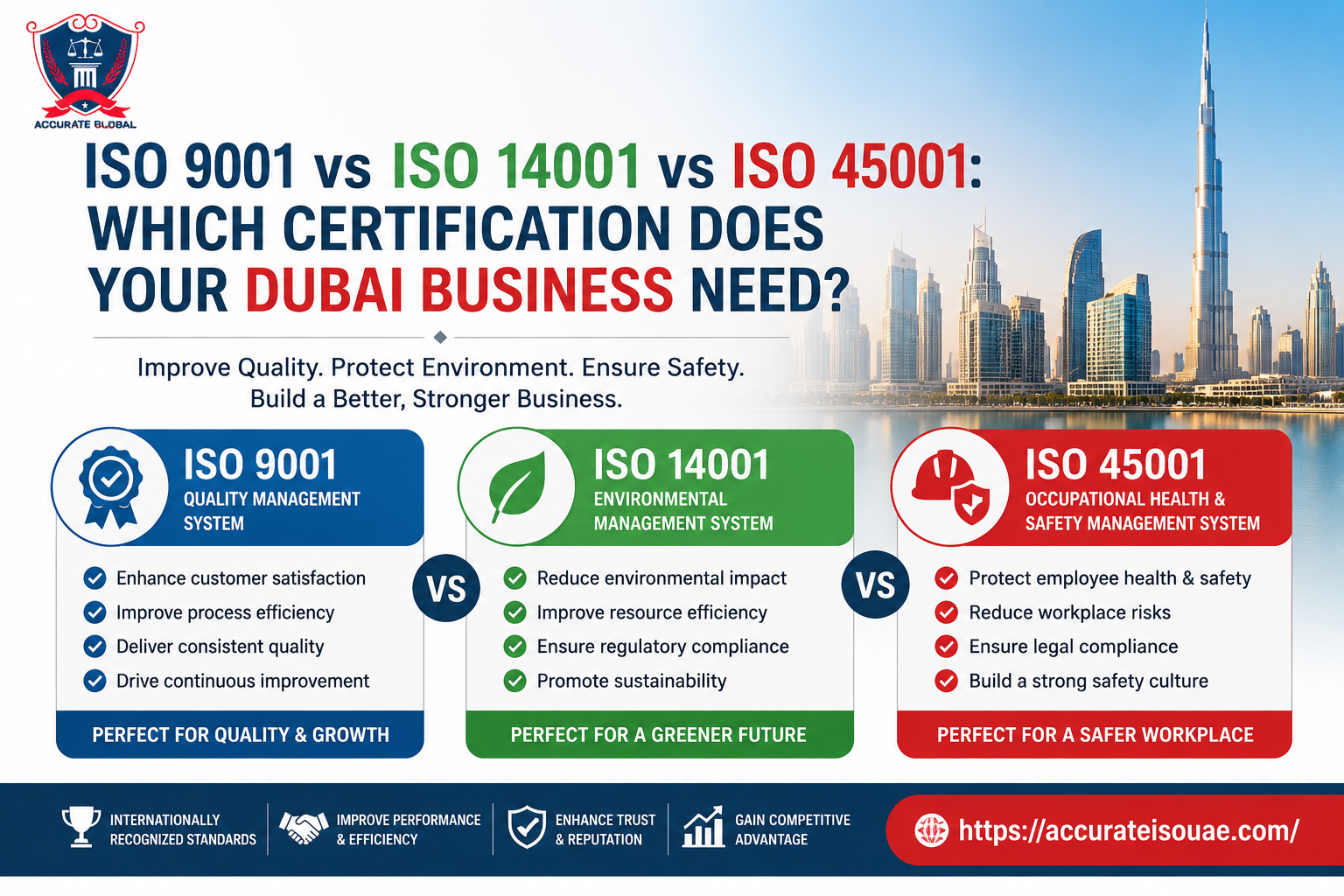
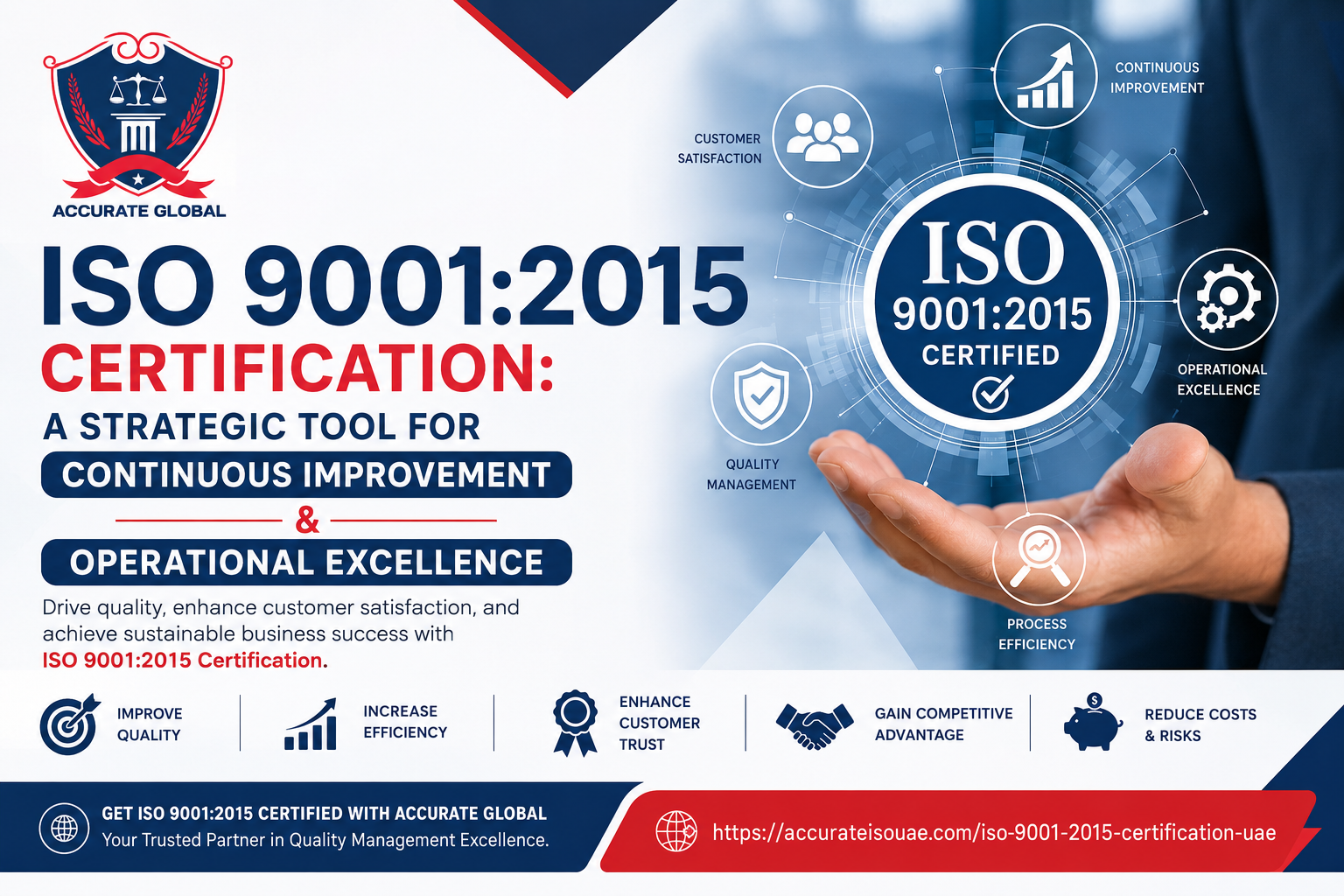
ISO 9001 – Quality Management System
ISO 9001 is the most widely adopted standard for manufacturers.
It focuses on:
- Product quality
- Customer satisfaction
- Process improvement
- Operational consistency
- Continuous improvement
Most manufacturing companies begin their certification journey with ISO 9001.
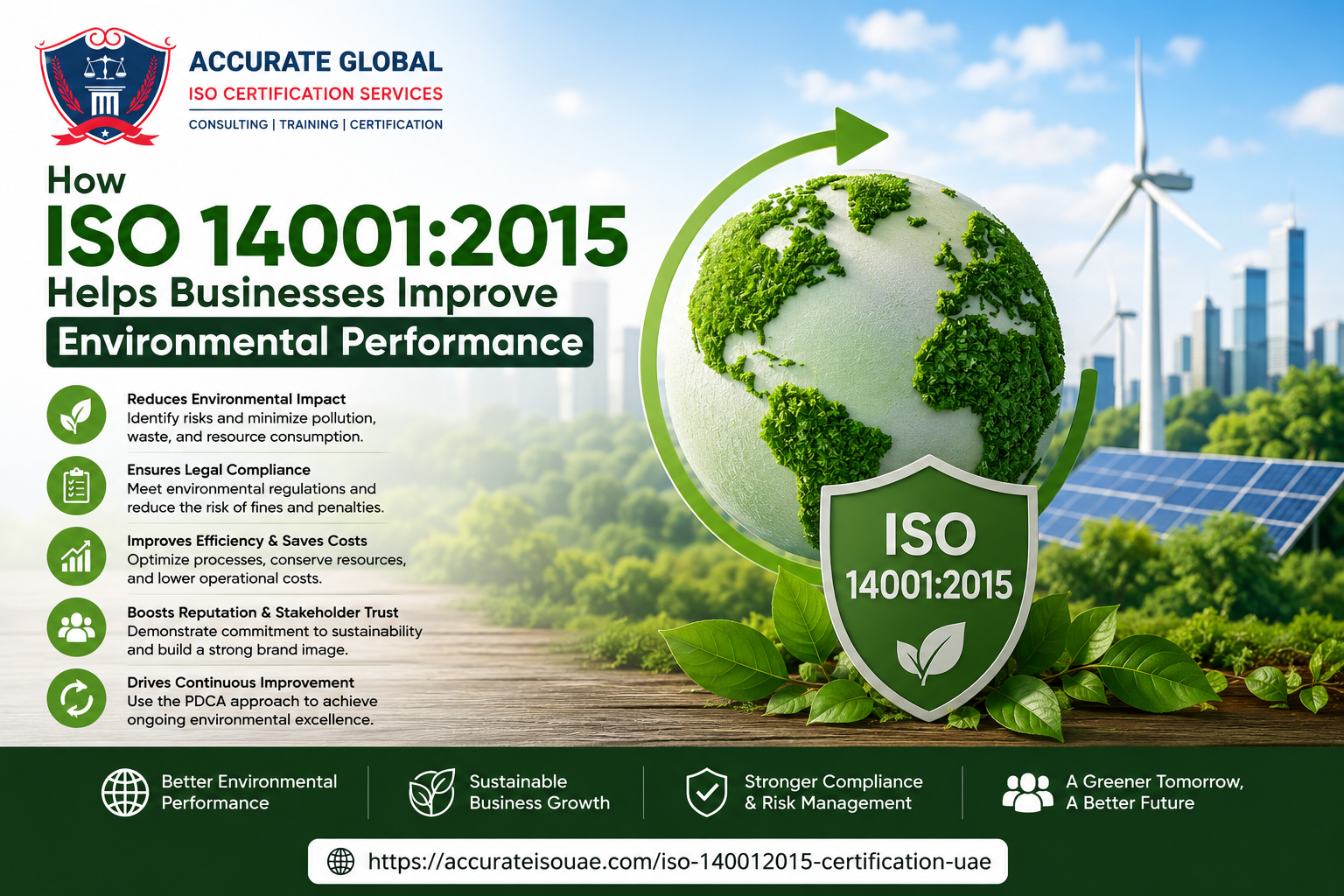
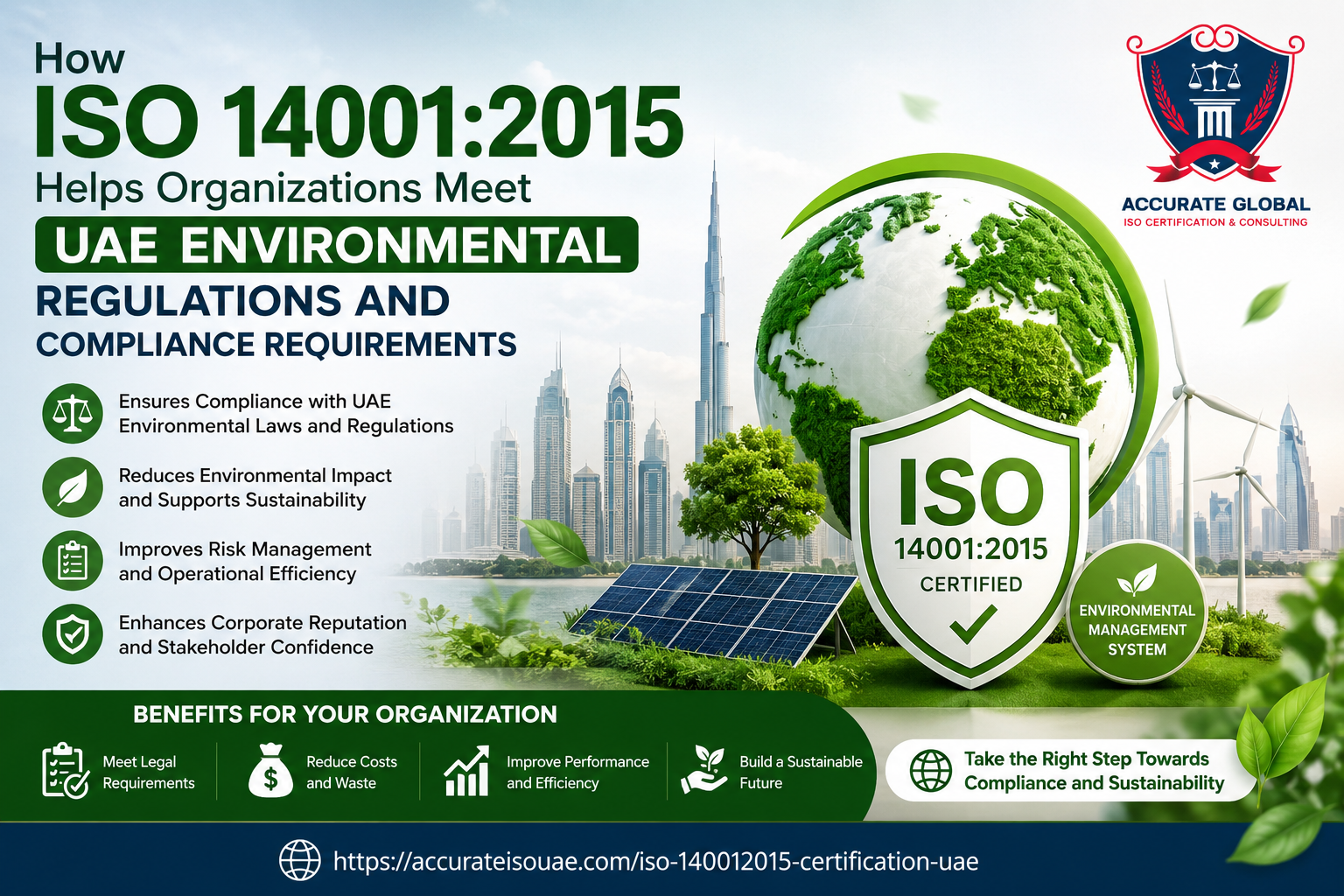
ISO 14001 – Environmental Management System
Manufacturers often generate emissions, waste, and environmental impacts.
ISO 14001 helps organizations:
- Reduce pollution
- Improve waste management
- Optimize resource usage
- Meet environmental regulations
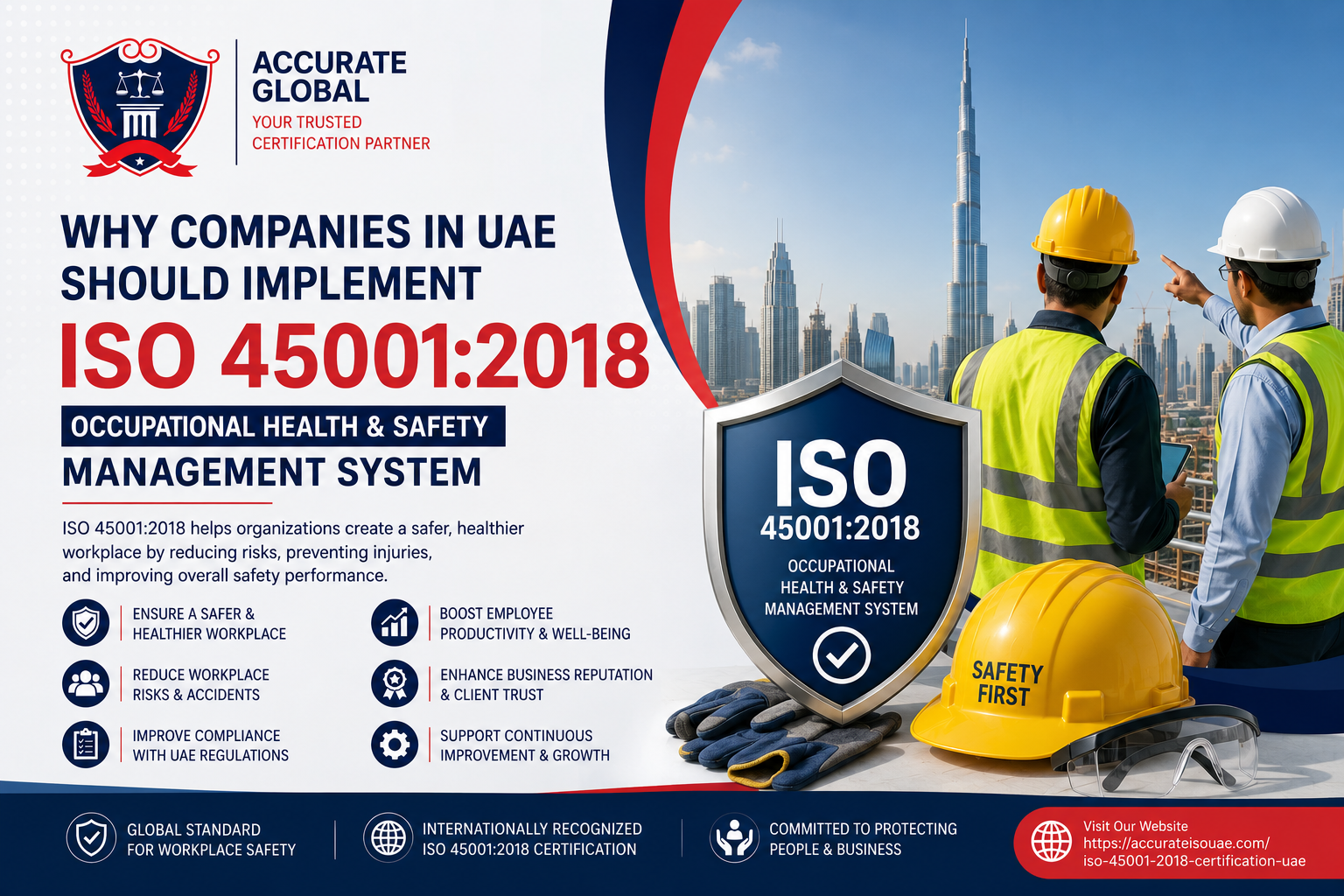
ISO 45001 – Occupational Health & Safety Management System
Worker safety is critical in manufacturing facilities.
ISO 45001 helps organizations:
- Prevent workplace injuries
- Improve employee safety
- Reduce accidents
- Create safer working conditions
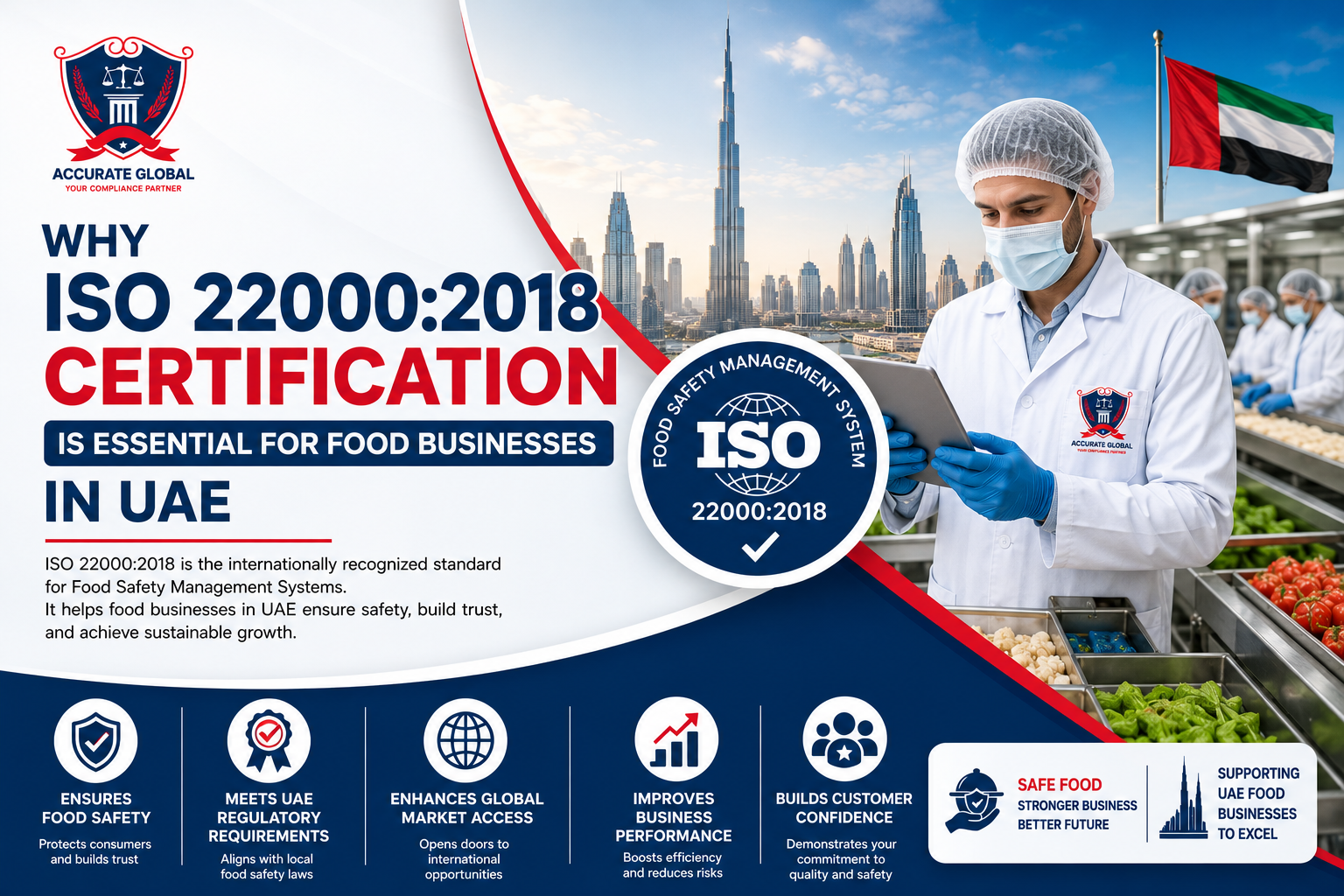
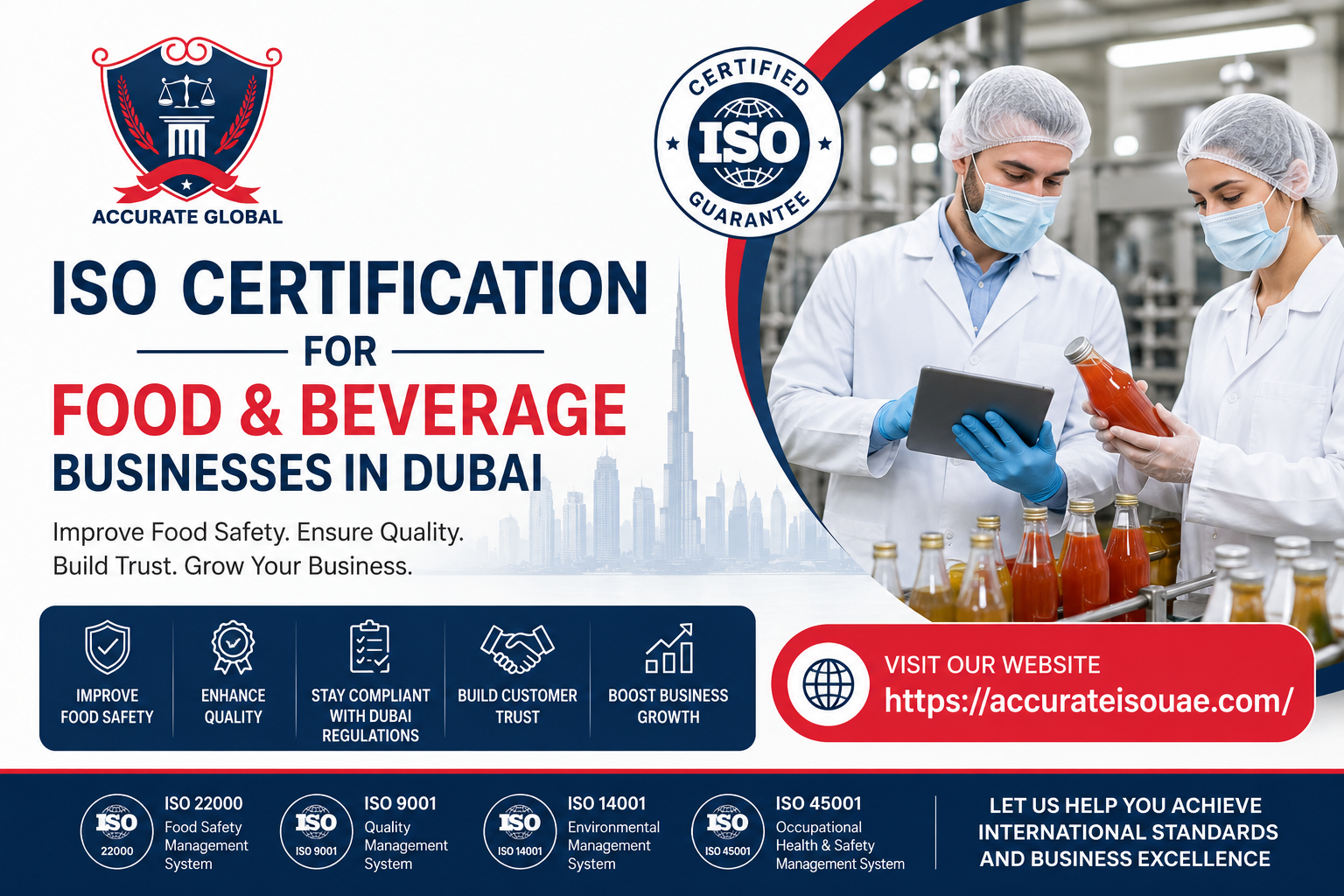
ISO 22000
Ideal for:
- Food manufacturers
- Beverage producers
- Packaging companies involved in food production
It ensures food safety throughout the supply chain.
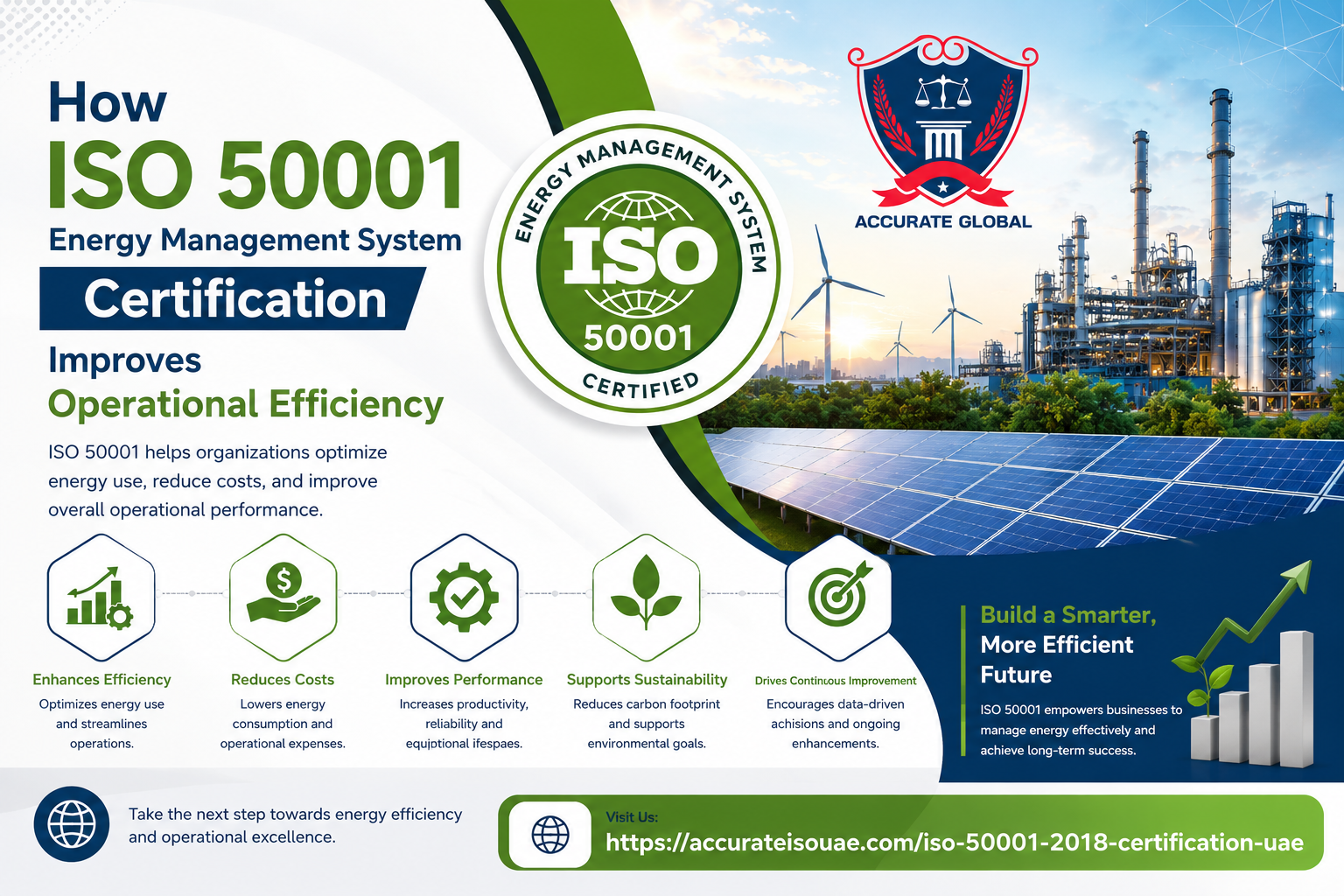
ISO 50001
Manufacturing facilities consume significant amounts of energy.
ISO 50001 helps reduce:
- Energy costs
- Carbon emissions
- Utility expenses
while improving overall energy efficiency.
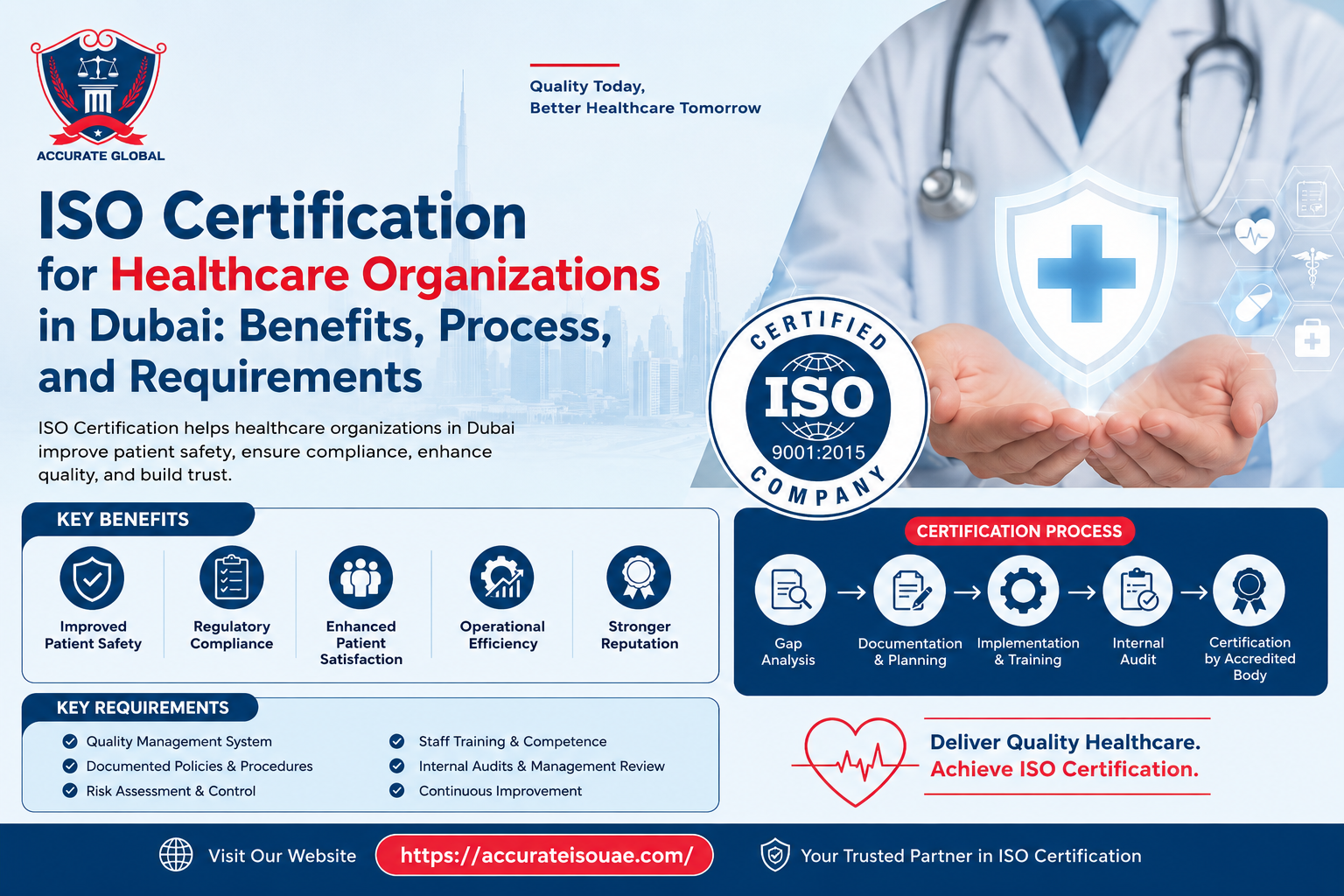
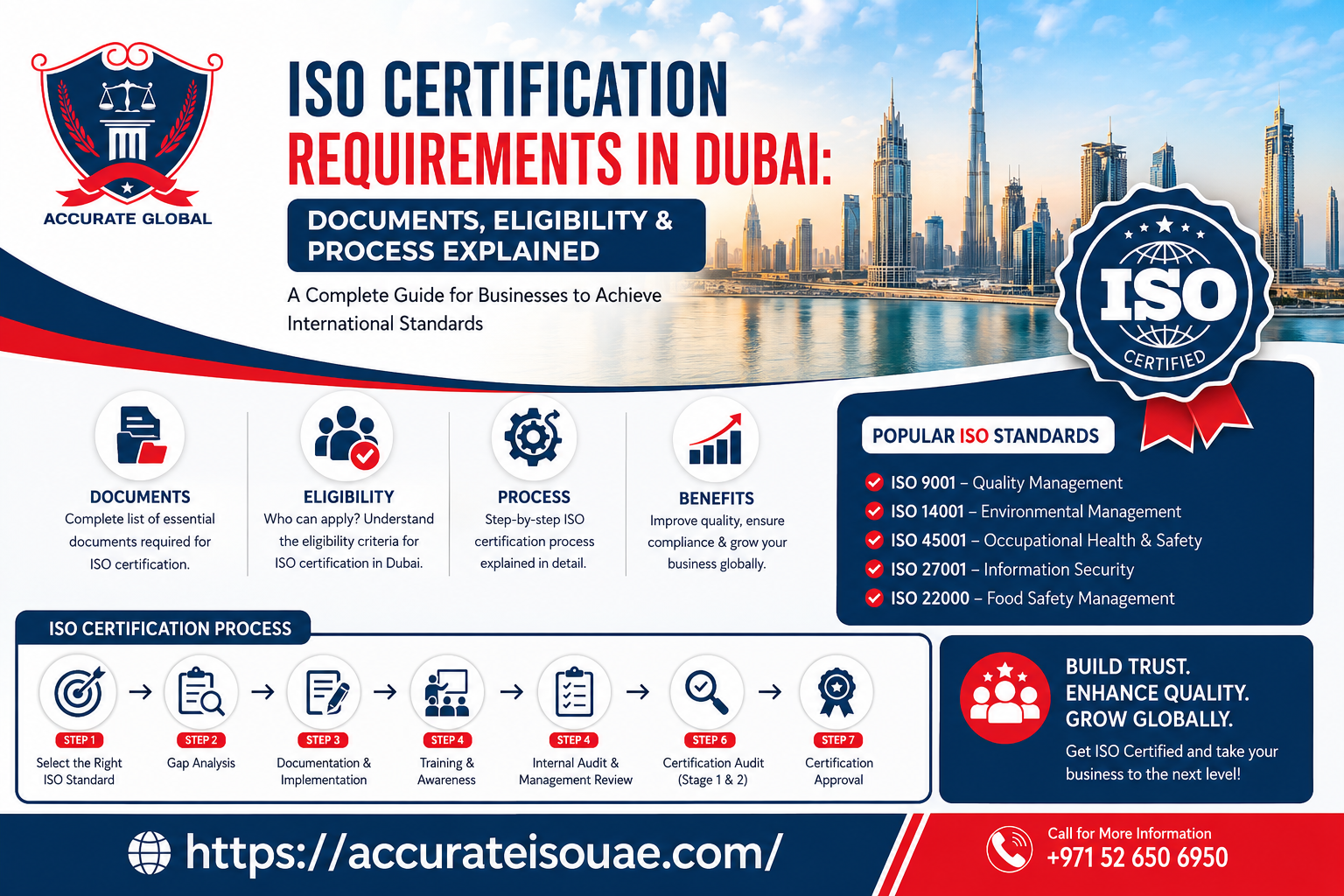
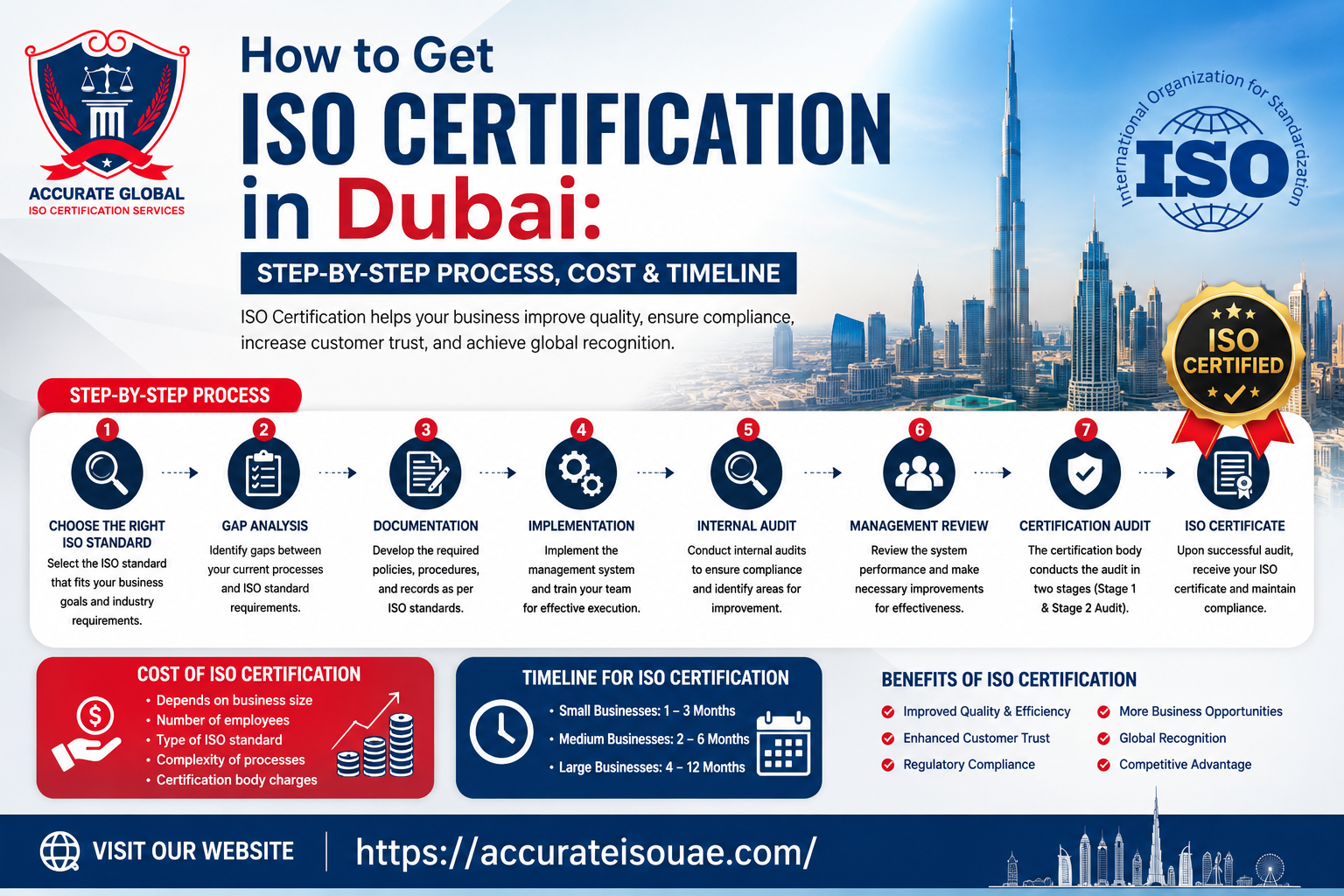
ISO Certification Process for Manufacturing Companies
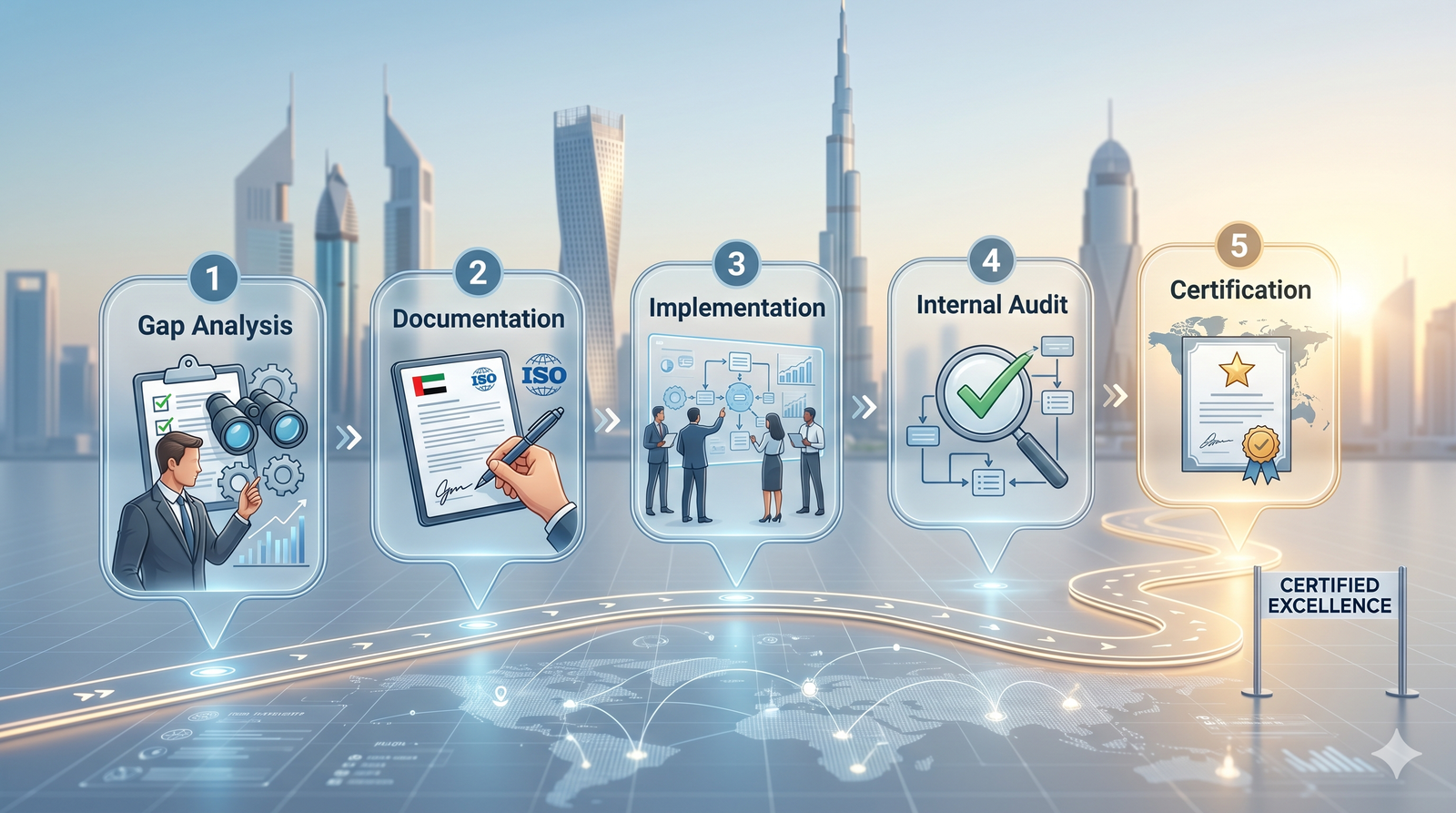
Obtaining ISO Certification in Dubai generally involves the following steps:
1. Initial Business Assessment
Experts evaluate your manufacturing processes and identify areas requiring improvement.
2. Gap Analysis
Current practices are compared with ISO standard requirements.
3. Documentation
Policies, procedures, manuals, and work instructions are prepared according to ISO requirements.
4. Implementation
Employees are trained, and the documented management system is implemented throughout the organization.
5. Internal Audit
Internal audits verify that processes are functioning effectively before certification.
6. Certification Audit
An accredited certification body conducts an independent audit.
If all requirements are met, the organization receives ISO certification.
Industries That Benefit from ISO Certification
Manufacturing companies across numerous sectors benefit from certification, including:
- Food manufacturing
- Pharmaceutical manufacturing
- Plastic industries
- Chemical manufacturing
- Textile production
- Steel fabrication
- Automotive parts manufacturing
- Electronics manufacturing
- Furniture manufacturing
- Packaging companies
- Construction material manufacturers
- Printing industries
Common Challenges During ISO Implementation
Many manufacturers initially worry that ISO implementation is complicated.
Common challenges include:
- Lack of documentation
- Employee resistance
- Limited process standardization
- Resource constraints
- Poor record management
Working with experienced ISO consultants helps businesses overcome these challenges efficiently and minimizes disruption to daily operations.
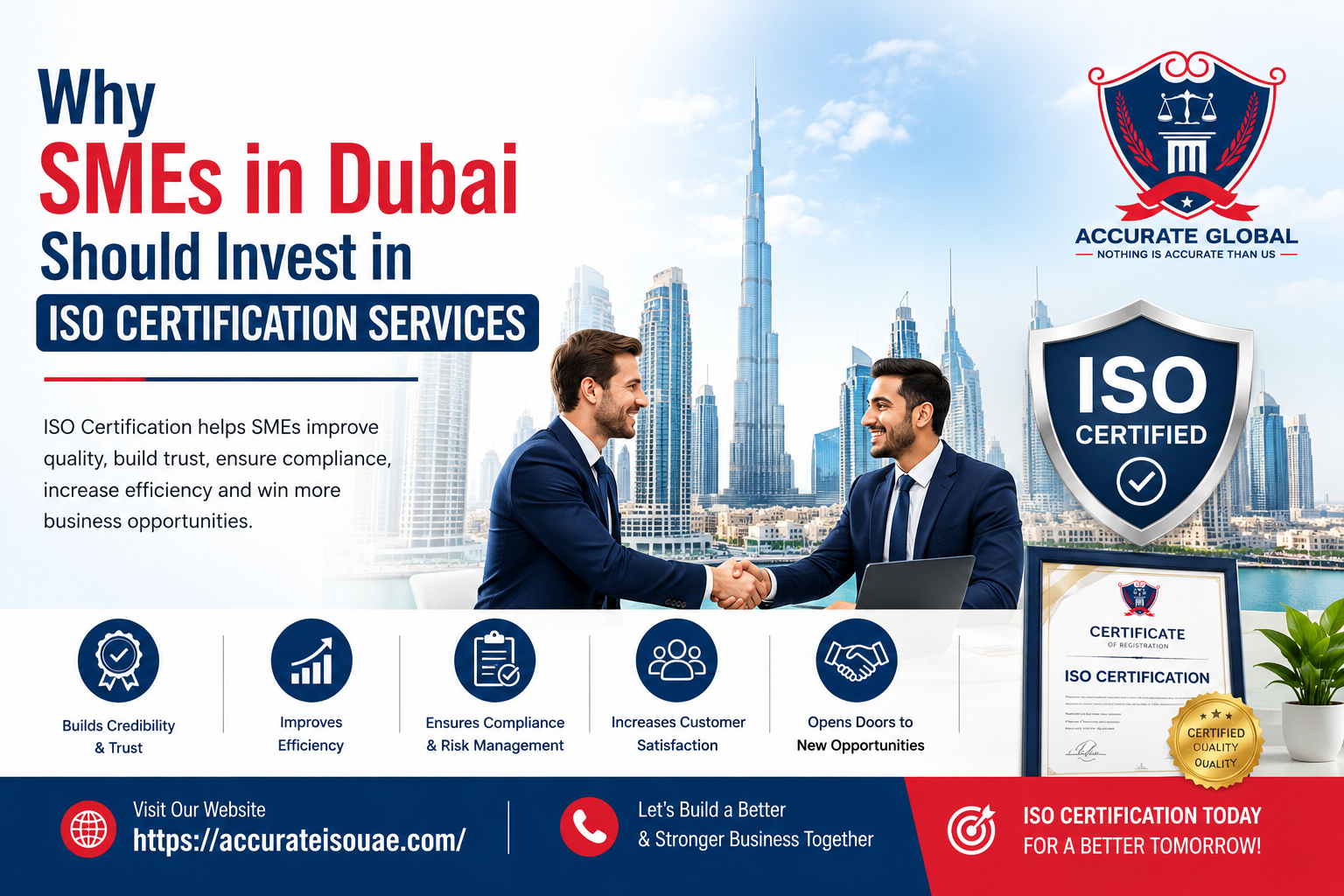
How ISO Certification Improves Business Growth
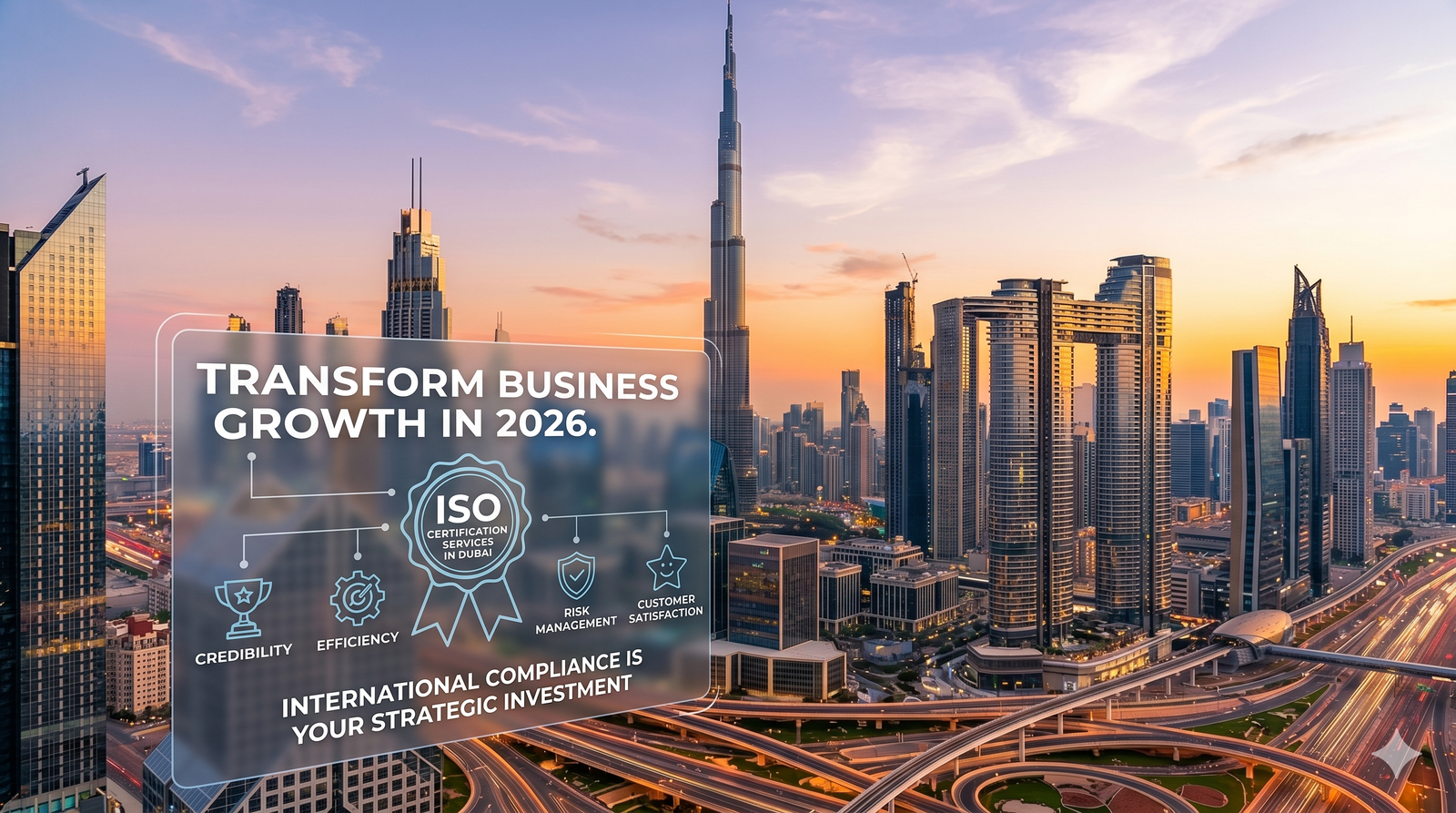
ISO certification is more than a compliance requirement—it is a strategic investment.
Manufacturing companies often experience:
- Higher customer satisfaction
- Improved operational performance
- Better supplier relationships
- Increased export opportunities
- Stronger market reputation
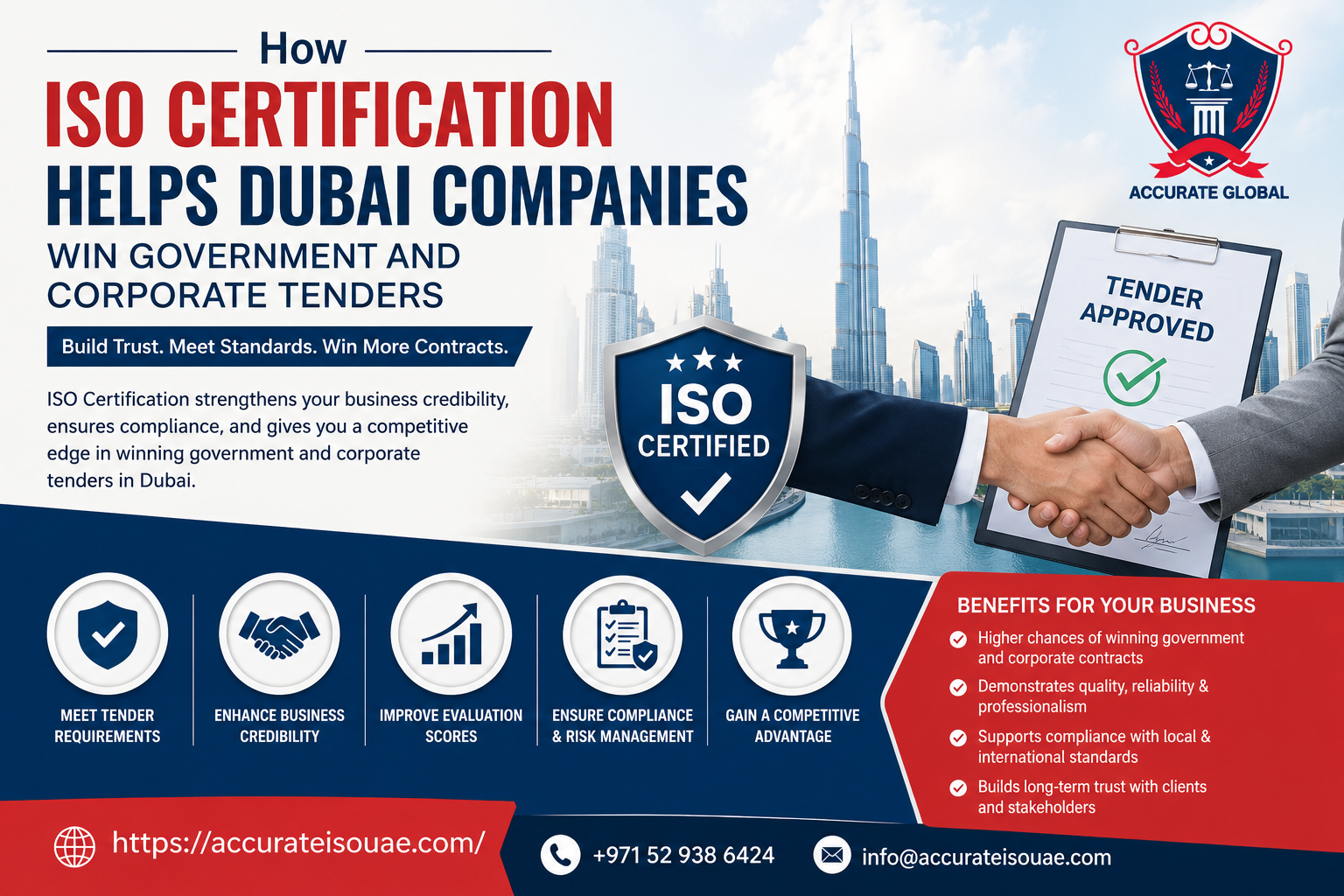
- Easier participation in government and corporate tenders
- Reduced operational costs
- Greater employee engagement
- Continuous business improvement
These advantages contribute to long-term growth and sustainable success.
Choosing the Right ISO Certification Partner
Selecting an experienced ISO consultant can significantly simplify the certification journey.
When choosing a certification partner, consider:
- Industry experience
- Qualified consultants
- Transparent certification process
- Ongoing implementation support
- Practical training programs
- Assistance with documentation
- Competitive pricing
- Strong client reviews
A reliable consultant ensures that your management system is practical, compliant, and aligned with your business objectives.
Conclusion
For manufacturing companies operating in today's competitive industrial environment, ISO Certification in Dubai has become an essential business investment rather than an optional achievement. It helps organizations improve product quality, strengthen operational efficiency, ensure workplace safety, meet environmental responsibilities, and comply with international standards.
Whether you manufacture food products, machinery, chemicals, textiles, pharmaceuticals, or industrial equipment, ISO certification enhances credibility and positions your company for long-term success. By implementing internationally recognized management systems, manufacturers can reduce risks, improve customer satisfaction, increase profitability, and confidently compete in both UAE and global markets.
.png)
.png)
.png)
.png)
.png)
.png)
.png)